Author: BGI Fertilizers

  • Tomatoes 101

    Tomatoes 101

    [cmsms_row][cmsms_column data_width=”1/1″][cmsms_heading type=”h1″ font_weight=”400″ font_style=”normal” text_align=”default” target=”self” margin_top=”0″ margin_bottom=”20″ animation_delay=”0″]Introduction[/cmsms_heading][cmsms_image align=”center” animation_delay=”0″]4953|https://www.bgi-usa.com/wp-content/uploads/image1-1.jpg|full[/cmsms_image][cmsms_text animation_delay=”0″]Tomatoes are one of the most popular vegetables among home gardeners. They can be grown successfully in Florida through a number of growing methods—in a traditional vegetable garden, in containers, in a hydroponic system, or even in hanging baskets—so long as you understand a few key concepts.[/cmsms_text][cmsms_heading type=”h1″ font_weight=”400″ font_style=”normal” text_align=”default” target=”self” margin_top=”0″ margin_bottom=”20″ animation_delay=”0″]Timing is everything[/cmsms_heading][cmsms_text animation_delay=”0″]

    Florida’s warm climate means that we can plant tomatoes in late winter or early spring when the rest of the country is still shivering in the cold. But since tomatoes are a warm-weather crop, resist the urge to put them in the ground until the danger of frost has passed.

    You can get a head start by starting seedlings indoors and then transplanting them outside once the soil warms up. Or try planting tomatoes in lightweight containers, which will give you the freedom to move the tomatoes to a protected location if a late frost or freeze threatens.

    It’s also important that you don’t wait too long to plant your tomatoes, since the plants need enough time to grow and produce fruit before summer temperatures soar. Once average nighttime temperatures climb above a certain point (typically about 80 degrees), large-fruited tomatoes will continue to flower but will stop setting fruit. The exceptions to this rule are cherry and grape tomatoes, which typically perform well throughout Florida summers.

    [/cmsms_text][cmsms_heading type=”h1″ font_weight=”400″ font_style=”normal” text_align=”default” target=”self” margin_top=”0″ margin_bottom=”20″ animation_delay=”0″]Right plant, right place[/cmsms_heading][cmsms_text animation_delay=”0″]

    Start by thinking about how much space you have. Some types of tomatoes—known as indeterminate varieties—have a large, sprawling growth habit and will require pruning and support. Indeterminate varieties will produce fruit over a period of several months, which some gardeners see as an advantage.

    If you’re limited on space, you might want to grow a determinate variety, which will grow in a more compact, bush-like shape, but will produce just a single crop of tomatoes. Keep in mind that most tomatoes can benefit from staking or trellising to help keep fruit off of the ground.

    Tomatoes need at least four to six hours of sun per day, so you’ll need to find a sunny spot to plant them. If you’re using lightweight containers, you can always move the containers around the yard to follow the sun throughout the day.

    Consider having your soil tested through your local Extension office. Ideally, you’re hoping for a soil that falls in the pH range of 6.2 to 6.5. Also plan on amending the soil with organic materials like composted manure or peat moss before planting your tomatoes.

    For container gardening, you can use a commercial potting mix or make your own. When planting the tomatoes, it’s a good idea to plant tomatoes slightly deeper than they were planted in their original pots in order to encourage deeper rooting.

    [/cmsms_text][cmsms_heading type=”h1″ font_weight=”400″ font_style=”normal” text_align=”default” target=”self” margin_top=”0″ margin_bottom=”20″ animation_delay=”0″]Pick the best varieties for Florida[/cmsms_heading][cmsms_text animation_delay=”0″]

    The warm and sometimes wet weather that we experience here in Florida can contribute to insect and disease problems in tomatoes. It’s a good idea to select varieties that are resistant to known tomato diseases (including verticillum wilt and fusarium wilt) and pests (including nematodes). These qualities are usually noted on the label by two- or three-letter abbreviations.

    Some recommended varieties include ‘Better Boy’, ‘Celebrity’, and ‘Amelia’. Recommended heirloom varieties include ‘Cherokee Purple’, ‘Green Zebra’, and ‘Mortgage Lifter’.

    To grow tomatoes in the hotter months of the year, pick a heat-tolerant cultivar like ‘Heat Wave II’. Most cherry tomatoes will also set fruit in the heat, including the variety ‘Sweet 100’.

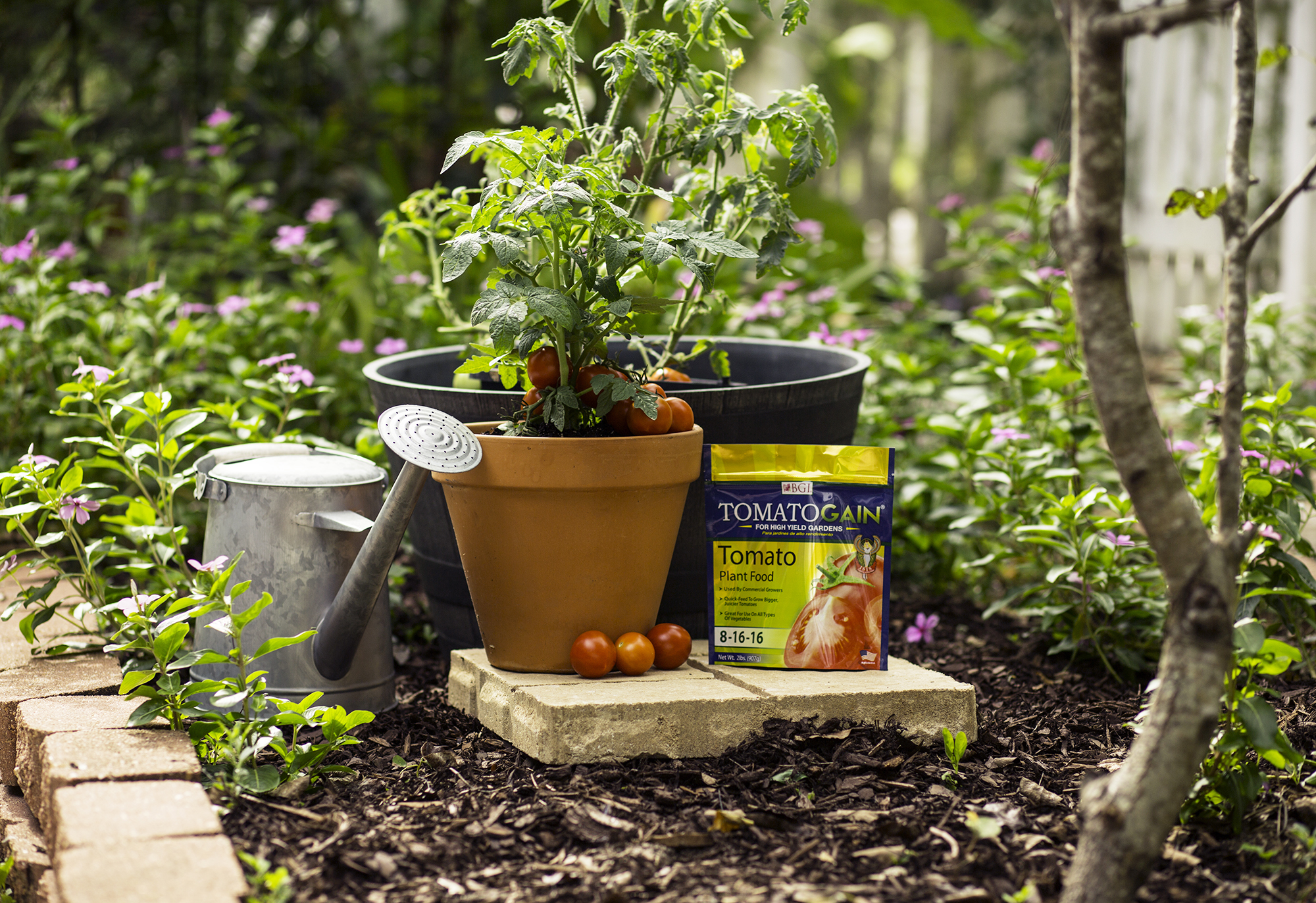
    [/cmsms_text][cmsms_heading type=”h1″ font_weight=”400″ font_style=”normal” text_align=”default” target=”self” margin_top=”0″ margin_bottom=”20″ animation_delay=”0″]Scout early and often[/cmsms_heading][cmsms_text animation_delay=”0″]The best way to prevent small problems from becoming major issues is to check your plants regularly for early warning signs of insect infestation and diseases. For more information on problems and pests, read Tomatoes in the Florida Garden.[/cmsms_text][cmsms_heading type=”h1″ font_weight=”400″ font_style=”normal” text_align=”default” target=”self” margin_top=”0″ margin_bottom=”20″ animation_delay=”0″]Fertilize appropriately[/cmsms_heading][cmsms_text animation_delay=”0″]Like all plants, tomatoes need certain nutrients in order to grow, so fertilizing with a 6-8-8 or similar type of fertilizer will help your plants succeed. You can use either a liquid fertilizer solution or a granular fertilizer, preferably in controlled-release form. You should fertilize at planting time and then regularly throughout the growing season.[/cmsms_text][cmsms_heading type=”h1″ font_weight=”400″ font_style=”normal” text_align=”default” target=”self” margin_top=”0″ margin_bottom=”20″ animation_delay=”0″]Take care[/cmsms_heading][cmsms_text animation_delay=”0″]

    Finally, remember that your tomatoes will need the right care in order to thrive. This means watering with about one to two inches of water per week, with heavy soakings once a week being preferred to several lighter sprinklings with the hose.

    If you’re growing indeterminate varieties, you’ll want to remove the first few side branches as they appear, a process known as “suckering.” Leave two to three main stems. Stake your plants to keep the fruit off the ground and help conserve space. As the plants grow, tie them to the stakes at a few different heights just below fruit clusters. You can also use tomato cages to trellis your plants.

    A layer of mulch can help retain moisture around the plants and suppress weed growth. Check your plants regularly to catch insect and disease problems before they become severe.

    [/cmsms_text][cmsms_heading type=”h3″ font_weight=”400″ font_style=”normal” text_align=”default” target=”self” margin_top=”0″ margin_bottom=”20″ animation_delay=”0″]Growing Tomatoes in Containers[/cmsms_heading][cmsms_text animation_delay=”0″]Select a container that will be large enough that the soil won’t dry out too quickly. A five-gallon bucket with holes drilled in the bottom is an easy and affordable option.Choose smaller-growing varieties and plant them in a rich, well-drained potting media. Add a tomato cage to help support the plants.Place the containers where they will receive at least six hours of sun, and water them consistently so that they won’t dry out. A self-watering container can make watering even easier.[/cmsms_text][cmsms_heading type=”h3″ font_weight=”400″ font_style=”normal” text_align=”default” target=”self” margin_top=”0″ margin_bottom=”20″ animation_delay=”0″]Dried Tomatoes[/cmsms_heading][cmsms_text animation_delay=”0″]

    Sun-dried tomatoes can add a deep, tangy flavor to your cooking. You can buy them at the grocery store, but it’s more fun to grow your own. Plant plum or pear-shaped tomatoes since they’re best for drying.

    Once they’re ripe, wash and dry the fruits and cut them lengthwise. Scoop out the seeds but leave the pulp. You can dry the tomatoes outdoors on racks in just a few days. Tent them with cheesecloth and be sure to bring them in each night. Another option is to sprinkle them with salt and put them in a 140 degree oven for six hours, leaving the door cracked so air can circulate.

    Once fully dry, store your tomatoes in an air-tight bag in a cool, dark place. Putting them in the refrigerator or freezer can help them stay red.

    [/cmsms_text][cmsms_text animation_delay=”0″](1) The information found within this article was provided by the University of Florida’s IFAS Extension. Visit http://gardeningsolutions.ifas.ufl.edu/plants/edibles/vegetables/tomatoes.html for more information.[/cmsms_text][/cmsms_column][/cmsms_row]


  • Roses 101

    Roses 101

    [cmsms_row data_width=”boxed” data_padding_left=”3″ data_padding_right=”3″ data_color=”default” data_bg_color=”#ffffff” data_bg_position=”top center” data_bg_repeat=”no-repeat” data_bg_attachment=”scroll” data_bg_size=”cover” data_bg_parallax_ratio=”0.5″ data_color_overlay=”#000000″ data_overlay_opacity=”50″ data_padding_top=”0″ data_padding_bottom=”50″][cmsms_column data_width=”1/1″][cmsms_heading type=”h1″ font_weight=”400″ font_style=”normal” text_align=”default” target=”self” margin_top=”0″ margin_bottom=”20″ animation_delay=”0″]Introduction[/cmsms_heading][cmsms_text animation_delay=”0″]

    Roses are longtime landscape favorites because of their rich fragrance and beautiful color. They come in many different flower colors, forms, and scents. There are miniature roses for small spaces, climbing roses for trellises, shrub types, and cutting varieties.

    Certain varieties like hybrid tea roses may require extra pampering, while other varieties like Rosa rugosa will thrive in difficult conditions. With countless varieties available, you’re sure to find one that will work for you.

    When selecting a rose to plant, consider Florida-Friendly roses. By definition, a Florida-Friendly rose is one that’s suited to the site and requires little maintenance. Good examples include old garden roses like ‘Louis Philippe’, ‘Mutabilis’, and ‘Mrs. B.R. Cant’, and newer roses like Knock-Out® and Drift® roses.

    All of these Florida-Friendly roses need little watering after they’re established, and they tolerate infestations of pests and diseases, meaning they won’t require a lot of spraying. You still need to groom or fertilize them occasionally to keep them looking their best.

    [/cmsms_text][cmsms_heading type=”h1″ font_weight=”400″ font_style=”normal” text_align=”default” target=”self” margin_top=”0″ margin_bottom=”20″ animation_delay=”0″]Planting and Care[/cmsms_heading][cmsms_text animation_delay=”0″]

    Roses are usually grouped together for visual impact and easier care. Plant dormant, bare-root roses in December or January. Container-grown roses can be transplanted at any time. Enrich the soil in the entire planting bed with plenty of organic matter. Make sure not to plant your new rose too deep, and water frequently to help get it established. Allow enough space for easy maintenance and for plants to grow to their mature size.

    Roses need at least six hours of sunlight and frequent water and fertilizer to bloom their best. However, many antique or old garden roses perform well with minimal care. Any grafted roses should be on Fortuniana rootstock.

    [/cmsms_text][cmsms_heading type=”h3″ font_weight=”400″ font_style=”normal” text_align=”default” target=”self” margin_top=”0″ margin_bottom=”20″ animation_delay=”0″]Fertilizing Roses[/cmsms_heading][cmsms_text animation_delay=”0″]

    Select a rose-special fertilizer with micronutrients and apply monthly from mid-February through November in North and Central Florida, and year-round in South Florida. In summer, apply smaller amounts of fertilizer every two weeks, to prevent nutrients from leaching or washing away with the rain.

    Read the label to determine the right amount of fertilizer to apply to each plant.

    [/cmsms_text][cmsms_heading type=”h3″ font_weight=”400″ font_style=”normal” text_align=”default” target=”self” margin_top=”0″ margin_bottom=”20″ animation_delay=”0″]Pruning Roses[/cmsms_heading][cmsms_text animation_delay=”0″]

    A major pruning should be done once a year, in January or February, though in South Florida pruning may be needed twice a year.

    Remove any dead, dying, or crossing branches, and shorten the mature canes by one-third to one-half. You can also prune any stray branches to help improve the plant’s shape.

    To avoid dieback and encourage rapid healing, make pruning cuts just above a dormant bud. When you remove an entire branch, make a smooth cut at the point of juncture. Expect your first flowers in eight to nine weeks.

    [/cmsms_text][cmsms_heading type=”h3″ font_weight=”400″ font_style=”normal” text_align=”default” target=”self” margin_top=”0″ margin_bottom=”20″ animation_delay=”0″]Cutting Roses[/cmsms_heading][cmsms_text animation_delay=”0″]

    Gardeners love roses in part because they can be brought inside and enjoyed as beautiful cut flowers. Follow a few basic tips to create long-lasting bouquets and to keep your rose bushes healthy and looking their best.

    Start with a pair of sharp pruning shears that have been cleaned with alcohol to prevent the spread of diseases. Wear gloves to protect your hands from thorns. Choose a bloom and make your cut one-quarter of an inch above a leaf that has five leaflets. This will help the plant produce a healthy new shoot later.

    Immediately place the stems of your cut roses in a bucket of warm water. Once you have enough blooms, bring them inside and arrange them in a vase filled with a mix of water and floral preservative.

    [/cmsms_text][cmsms_heading type=”h1″ font_weight=”400″ font_style=”normal” text_align=”default” target=”self” margin_top=”0″ margin_bottom=”20″ animation_delay=”0″]Climbing Roses[/cmsms_heading][cmsms_text animation_delay=”0″]

    Climbing roses can add color and fragrance to the landscape. This type of rose is more a sprawler than a vine; they don’t have any natural mechanism to climb, so you must train them to grow over fences, arbors or trellises.

    They come in a huge variety of colors, and can have single or double blooms. Some varieties that are well-suited to Florida include Rosa banksiae, (cultivars: ‘Lutea’ and ‘Alba’) and Rosa laevigata (cultivars: ‘Crépuscule’, ‘Fellemberg’, ‘Maréchal Neil’, ‘Don Juan, ‘Blossomtime’, ‘Catherine Nelson’, ‘Spectra’).

    Climbing roses should be tended like any other kind of rose. Amend the soil with lots of organic matter and fertilize the plant regularly. Climbing roses will need to be pruned to look their best. Some climbers bloom only once a year, and others flower throughout the season.

    [/cmsms_text][cmsms_heading type=”h1″ font_weight=”400″ font_style=”normal” text_align=”default” target=”self” margin_top=”0″ margin_bottom=”20″ animation_delay=”0″]Miniature Roses[/cmsms_heading][cmsms_text animation_delay=”0″]Miniature roses may be small—their flowers are about the size of a dime or a quarter—but they come in almost every color of the rainbow. They need a high amount of light, so they’ll perform best if they’re grown outdoors. Plant in containers with rich, well-drained potting media, or in mixed borders. Just be sure to place them near the front so that they won’t disappear behind other plants—they’ll grow only 8 to 24 inches tall.[/cmsms_text][cmsms_text animation_delay=”0″](1) The information found within this article was provided by the University of Florida’s IFAS Extension. Visit http://gardeningsolutions.ifas.ufl.edu/plants/ornamentals/roses.html for more information.[/cmsms_text][/cmsms_column][/cmsms_row]
  • Joanna’s Chili

    Joanna’s Chili

    [cmsms_row data_width=”boxed” data_padding_left=”3″ data_padding_right=”3″ data_color=”default” data_bg_color=”#ffffff” data_bg_position=”top center” data_bg_repeat=”no-repeat” data_bg_attachment=”scroll” data_bg_size=”cover” data_bg_parallax_ratio=”0.5″ data_color_overlay=”#000000″ data_overlay_opacity=”50″ data_padding_top=”0″ data_padding_bottom=”50″][cmsms_column data_width=”1/1″][cmsms_image align=”center” animation_delay=”0″]4082|https://www.bgi-usa.com/wp-content/uploads/shutterstock_261104315-Converted.png|full[/cmsms_image][/cmsms_column][/cmsms_row][cmsms_row data_width=”boxed” data_padding_left=”3″ data_padding_right=”3″ data_color=”default” data_bg_color=”#ffffff” data_bg_position=”top center” data_bg_repeat=”no-repeat” data_bg_attachment=”scroll” data_bg_size=”cover” data_bg_parallax_ratio=”0.5″ data_color_overlay=”#000000″ data_overlay_opacity=”50″ data_padding_top=”0″ data_padding_bottom=”50″][cmsms_column data_width=”1/1″][cmsms_audios preload=”auto” animation_delay=”0″][cmsms_audio]4106|https://www.bgi-usa.com/wp-content/uploads/October-Joannas-journal.m4a[/cmsms_audio][/cmsms_audios][/cmsms_column][/cmsms_row][cmsms_row data_width=”boxed” data_padding_left=”3″ data_padding_right=”3″ data_color=”default” data_bg_color=”#ffffff” data_bg_position=”top center” data_bg_repeat=”no-repeat” data_bg_attachment=”scroll” data_bg_size=”cover” data_bg_parallax_ratio=”0.5″ data_color_overlay=”#000000″ data_overlay_opacity=”50″ data_padding_top=”0″ data_padding_bottom=”50″][cmsms_column data_width=”1/1″][cmsms_image align=”center” animation_delay=”0″]4107|https://www.bgi-usa.com/wp-content/uploads/JJ-chili.png|full[/cmsms_image][cmsms_image align=”center” animation_delay=”0″]4108|https://www.bgi-usa.com/wp-content/uploads/chili.jpg|full[/cmsms_image][/cmsms_column][/cmsms_row]

  • Creating Beauty in Landscape through Companion Planting

    Creating Beauty in Landscape through Companion Planting

    [cmsms_row][cmsms_column data_width=”1/1″][cmsms_text]

    One of our goals at BGI is to create “Beauty in Landscape.”  One of the way to create beauty while also being environmentally friendly is to consider Companion Planting. Companion Planting is the practice of planting different types of vegetable or flowering plants beside each other that enhance or support each other’s yield potential. Companion Planting can also be beneficial in aiding to pest control and the overall health of your plants. Just be sure to do your research. Not every plant likes their neighboring plant and some plants may compete for the available resources.


    Some winning combinations include:

    • Garlic and Roses – Garlic will repel garden pets away from your roses allowing them to reach full blooming potential
    • Basil and Tomatoes – Basil will improve a tomato’s yield potential and taste. Plus, basil can aid in providing pest control from mosquitoes and flies
    • Sage and Cabbage – Sage can aid in the pest control of moths and has also been known to support in the attraction of beneficial insects such as bees
    • Sunflowers and Corn – Not only can a sunflower increase the yield potential of corn but the sunflower’s prickly vine can provide pest control of insects and other small rodent predators

    Before you start your gardening, we suggest that you do a soil test to make sure you unlock the true potential of a successful garden or landscape. A soil test will confirm the deficiency or in some cases a toxicity problem. It can also indicate potential pH problems, where adequate nutrients might be in the soil but are unavailable. In the region of South Florida, even though soil nutrient levels may be adequate, Iron and Manganese still are often the deficiency culprits. Because soil testing is such a significant practice in our customer’s success, starting this Spring, BGI will offer a complete soil testing service with recommendations for customers.

    Also, to help you create “Beauty in Landscape” we also suggest the use of our species-specific GAIN fertilizers and products such as BOUGAIN®, TOMATOGAIN® and ROSEGAIN®.  Our GAIN family fertilizers and other quality products have gone through extensive research to provide an environmentally friendly product that can produce quick results and a higher-yielding plant.


    [/cmsms_text][/cmsms_column][/cmsms_row]
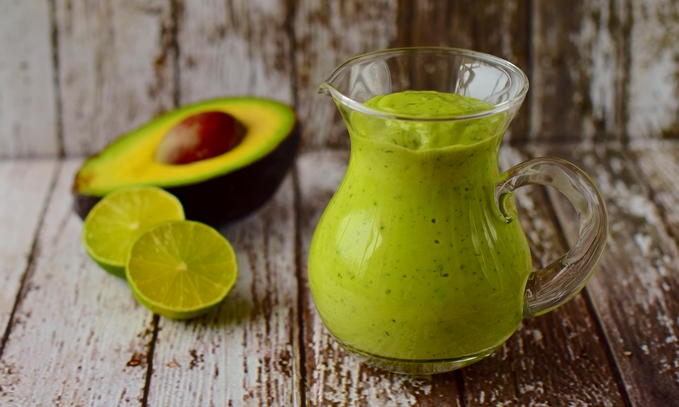
  • Avocado Lime Dressing

    Avocado Lime Dressing

    [cmsms_row data_padding_bottom=”50″ data_padding_top=”0″ data_overlay_opacity=”50″ data_color_overlay=”#000000″ data_bg_parallax_ratio=”0.5″ data_bg_size=”cover” data_bg_attachment=”scroll” data_bg_repeat=”no-repeat” data_bg_position=”top center” data_bg_color=”#ffffff” data_color=”default” data_padding_right=”3″ data_padding_left=”3″ data_width=”boxed”][cmsms_column data_width=”1/1″][cmsms_image align=”center” animation_delay=”0″]4082|https://www.bgi-usa.com/wp-content/uploads/shutterstock_261104315-Converted.png|full[/cmsms_image][cmsms_audios autoplay=”true” preload=”auto” animation_delay=”0″][cmsms_audio]4069|https://www.bgi-usa.com/wp-content/uploads/Recipe-2.m4a[/cmsms_audio][/cmsms_audios][cmsms_image align=”center” animation_delay=”0″]4078|https://www.bgi-usa.com/wp-content/uploads/Recipe1.jpg|full[/cmsms_image][cmsms_divider type=”solid” margin_top=”50″ margin_bottom=”50″ animation_delay=”0″][cmsms_image align=”center” animation_delay=”0″]4080|https://www.bgi-usa.com/wp-content/uploads/shutterstock_268292339.jpg|full[/cmsms_image][/cmsms_column][/cmsms_row][cmsms_row data_padding_bottom=”50″ data_padding_top=”0″ data_overlay_opacity=”50″ data_color_overlay=”#000000″ data_bg_parallax_ratio=”0.5″ data_bg_size=”cover” data_bg_attachment=”scroll” data_bg_repeat=”no-repeat” data_bg_position=”top center” data_bg_color=”#ffffff” data_color=”default” data_padding_right=”3″ data_padding_left=”3″ data_width=”boxed”][cmsms_column data_width=”1/1″][cmsms_divider type=”solid” margin_top=”50″ margin_bottom=”50″ animation_delay=”0″][/cmsms_column][/cmsms_row][cmsms_row data_padding_bottom=”50″ data_padding_top=”0″ data_overlay_opacity=”50″ data_color_overlay=”#000000″ data_bg_parallax_ratio=”0.5″ data_bg_size=”cover” data_bg_attachment=”scroll” data_bg_repeat=”no-repeat” data_bg_position=”top center” data_bg_color=”#ffffff” data_color=”default” data_padding_right=”3″ data_padding_left=”3″ data_width=”boxed”][cmsms_column data_width=”1/1″][/cmsms_column][/cmsms_row]

  • How to Read Fertilizer Labels & Myth-Busting Organic Farming

    How to Read Fertilizer Labels & Myth-Busting Organic Farming

    [cmsms_row][cmsms_column data_width=”1/1″][cmsms_image align=”left” animation_delay=”0″]6022|https://www.bgi-usa.com/wp-content/uploads/shutterstock_723441304-240×300.png|medium[/cmsms_image][cmsms_text]

    The following two articles presented dictate a rule I like to follow that states 80% of a company’s content should be educational, interesting, and perhaps even provocative. I read a lot of blogs, and the narcissism gets old. Fast.

    The first, ‘How to Read Fertilizer Labels’ is a succinct, straightforward and informative article about what all those numbers mean. It is important; and I have found that often the retail consumer, i.e. homeowner, has little knowledge of the deeper purpose behind what they are buying. This is the basis for why we at BGI produce species specific plant foods – to simplify the buying process and ensure customer success by using the correct fertilizers on the correct plant.

    The second article is a provocative, scientific piece discussing the misnomers commonly heard about organic farming, and what it truly entails. I am all for locally grown, and no doubt, organic has so much to offer, but the USDA definition of organic keeps shifting. I have a Life Science background, and much of the organic marketing is hype. On the other hand, if I was President, Heaven forbid, my call to action (like Kennedy’s “to the moon”) would be a victory vegetable garden in every home in America! Talk about reducing your carbon footprint!

    It’s your mind, your body, and your food. You decide.

    Enjoy, and question everything!

    [/cmsms_text][cmsms_image align=”right” animation_delay=”0″]6026|https://www.bgi-usa.com/wp-content/uploads/shutterstock_170045387-200×200.png|thumbnail[/cmsms_image][cmsms_text animation_delay=”0″]

    How to Read Fertilizer Labels

    [/cmsms_text][cmsms_text animation_delay=”0″]

    Fertilizers are necessary to feed plants with nutrients that are not available in the growing medium solution or the irrigation water. They are mined (phosphate rock or potash), synthetic (obtained by a chemical process) or organic products (manures, fish, bones, blood and other organic sources). Fertilizers can be liquid, soluble granules, coated pellets or as simple granules…continue reading.

    [/cmsms_text]

    [cmsms_divider type=”transparent” margin_top=”10″ margin_bottom=”10″ animation_delay=”0″]

    [cmsms_image align=”left” animation_delay=”0″]6024|https://www.bgi-usa.com/wp-content/uploads/shutterstock_1016628808-200×200.png|thumbnail[/cmsms_image][cmsms_text animation_delay=”0″]

    Myth-busting 101 Organic Farming

    [/cmsms_text][cmsms_text animation_delay=”0″]

    Ten years ago, Certified Organic didn’t exist in the United States. Yet in 2010, a mere eight years after USDA’s regulations officially went into effect, organic foods and beverages made $26.7 billion. In the past year or two, certified organic sales have jumped to about $52 billion worldwide despite the fact that organic foods cost up to three times as much as those produced by conventional methods…continue reading.

    [/cmsms_text][cmsms_text animation_delay=”0″]

    Additional links: https://www.healthambition.com/benefits-of-organic-food/ 

    [/cmsms_text][cmsms_text animation_delay=”0″]

    Take care!

    [/cmsms_text][cmsms_image align=”left” animation_delay=”0″]5858|https://www.bgi-usa.com/wp-content/uploads/Tom-Scannell-blog-sig-small-200×36.png|thumbnail[/cmsms_image][/cmsms_column][/cmsms_row]

  • Gardening FAQ’s – Getting Ready for Summer

    Gardening FAQ’s – Getting Ready for Summer

    [cmsms_row][cmsms_column data_width=”1/1″][cmsms_text]

    As the summer season will soon be upon us, your fellow gardening enthusiasts at BGI are ready to face the heat! The summer weather can prove to be a difficult time for plants, but we are here to help you prepare for any season. We have answered a 3 common questions that will keep your garden fresh year-round:

    Question #1: What are the best flowers to grow in summer months?

    As the temperature has increased, you may have noticed that your winter plants are beginning to decline. This is due to the fact that these plants are cool season crops which prefer temperatures below 70 degrees. Warm season crops are ideal for the hotter weather and thrive in temperatures of 65-90 degrees. Plants that are characterized as warm season crops have become more accustomed to warmer climates and are able to thrive in higher temperatures. These crops are best when planted early- to mid-May, once the threat of frost has diminished.

    When planting during the summer months, it is important to choose outdoor plants that can withstand high temperatures and increased sunlight exposure. Never fear, there are a multitude of warm season crops that you can plant this month. Vegetables and fruits, such as beans, carrots, cucumbers, peppers, corn, squash, tomatoes, citrus, watermelon, strawberries, raspberries, peaches and melons are all capable of withstanding the dry summer heat. Plants such as calla lilies, tuberous begonias, gladiolus, gardenias, roses, bottlebrush, marigolds, dahlias, baby’s breath, carnations, chrysanthemums, geraniums, rosemary, sunflowers, verbenas and sweet peas also thrive in the summer months.

    To help you maintain these summer crops, BGI offers Grow & Gain®, a concentrated all-purpose liquid fertilizer that will help your plants and vegetables flourish. BGI also suggests TOMATOGAIN®, which can be used on all vegetables and many fruits, to provide nutrients and promote growth.

    Question #2: How often should I water my plants during the summer?

    Most plants should be watered two to three times a week to promote growth. It is important that the soil maintains a moist balance between drenched and dry because jumping to each extreme is damaging to the plants. We suggest that you check the moistness of the soil between watering to protect the soil from becoming completely dry.

    Many people are unaware that the time plants are watered can also affect the growth of the garden. Watering plants in the early morning is ideal because it allows water to reach the roots with only a small amount of water lost due to evaporation. If you are unable to water in the morning, plants can also be watered in the late afternoon or early evening, which will keep the water from evaporating while also allowing time for the plants to dry before nightfall.

    We recommend SUPERGAIN® to help boost your plants drought tolerance, SUPERGAIN® works from the inside out to help strengthen your plants ability to thrive in any condition.

    Question #3: Why does my citrus tree keep dying?

    Citrus trees are commonly plagued by the loss of leaves, which is termed leaf drop. This can be caused by inadequate sunlight exposure, insects and incorrect watering. Citrus trees require at least six hours of light each day to maintain healthy growth. Citrus trees are more likely to flourish in full sunlight exposure, so if the citrus tree is inside, try moving the plant outside during the day.

    Scales, mites and other insects are a threat to citrus plants because they cause leaf, limb and trunk damage. Monitor your citrus tree and remove insects immediately with water or a small amount of rubbing alcohol.

    Citrus trees that are planted in-ground should be watered once a week while potted citrus trees should be watered when the soil begins to dry out. Over or under watering a citrus tree will leave tell-tale signs. Excessive watering will cause the tree’s leaves to turn yellow and fall off. This is caused by the rotting of the root which, in turn, will restrict water intake to the tree. Inadequate watering of a citrus tree will also cause the leaves to fall.

    BGI wants to help you keep your citrus tree living up to its full potential. CITRUSGAIN® plant food provides a simple way to maintain the nutrients that citrus trees need to produce high quality fruit.


    [/cmsms_text][/cmsms_column][/cmsms_row]
  • BGI introduces SuperGain Plant Food Supplement

    Article featured in Southwest Florida Business Today

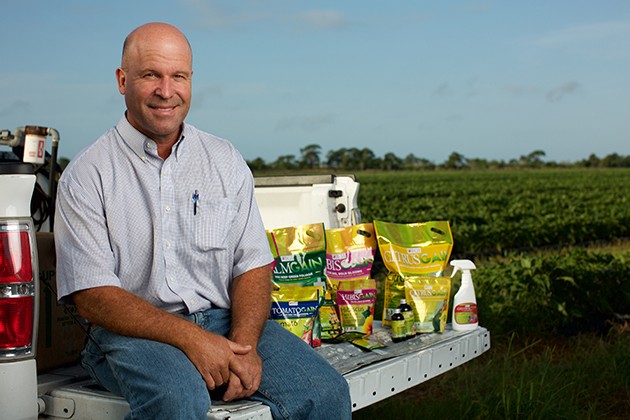
    SUPERGAIN-4oz-0Bougainvillea Growers International (BGI), a Southwest Florida-based manufacturer and distributor of fertilizers, plant foods and plant food supplements, introduces SuperGain, a new-to-market natural and organic-based plant food supplement designed for all types of vegetation, including ornamental plants, interior plants, turf, trees, vegetables, fruits and citrus. BGI was founded in 1994 as a five-acre bougainvillea nursery in Boynton Beach, Florida that grew to more than 67 acres. After growing more than 30 varieties of bougainvillea, BGI expanded to St. James City in 2006. In 2012, BGI embarked on a new venture to focus on producing and distributing GAIN fertilizers and products, which include species-specific varieties such as BouGain, HibisGain and PalmGain. BGI’s GAIN fertilizers are sold online, in Home Depot stores and at home and garden centers throughout the U.S.

    SuperGain is an organic-based, premium plant performance activator that contains more than 400 natural, beneficial plant-based supplements designed to activate specific physiological capabilities in both indoor and outdoor plants such as root development, flowering and drought resistance. The use of SuperGain on agronomic crops has been shown to lead to double-digit percentage yield increases. SuperGain is food-quality formulated and safe to use on vegetables and fruits, and it is available in 4 oz. and 8 oz. bottles that can be applied in a foliar spray or soil drench mix. SuperGain is now available at Home Depot stores, local home and garden centers and online at www.BGI-USA.com and Amazon.com. Prices for SuperGain start at less than $10 for a 4 oz. bottle.

    “With SuperGain, we’ve developed an easy-to-use and inexpensive plant food supplement that acts on plants at the genetic level to improve their root development, chlorophyll production, drought and salt tolerance, and most importantly, yield and appearance,” said Tom Scannell, owner and founder of BGI. “We’ve used the combination of multiple patented products, deep international research and decades of growing experience to design a product that can safely and effectively help you grow bigger, lusher, higher-yielding plants.”

    Scannell, who holds a degree in soil science from the University of Wisconsin-Madison, began his career growing cotton and rice in the Mississippi Delta before moving to Florida, where he became a master bougainvillea grower in the southeastern U.S.

    “As we worked to cultivate beautiful, lush bougainvillea, BGI developed a fertilizer specifically designed to tackle the unique nutritional and environmental challenges posed by bougainvillea cultivation,” said Scannell. “Our first fertilizer product, BouGain, was an instant success with bougainvillea growers.”

    BGI offers the highest quality products to landscape professionals, including architects, designers and contractors. BGI products are used at Busch Gardens, Disney World and the Edison and Ford Winter Estates. BGI is headquartered at 7401 Stringfellow Rd. in St. James City, Florida, and the BGI manufacturing facility is located at 1221 S.E. 9th Terrace in Cape Coral, Florida. For more information on BGI, visit www.BGI-USA.com or call 561-374-9216.

    Click here to view the clip about BGI SuperGain in SWFL Business Today! 

  • Feed Me: Featuring Tom Scannell, Owner of BGI

    Feed Me: Featuring Tom Scannell, Owner of BGI

    A Business Observer Story by Jean Gruss 

    Bougainvillea plants are notoriously difficult to grow because of their sensitivity to water and weak root system.

    So when commercial nurseries saw the beauty of Tom Scannell’s bougainvillea, they started buying what he was feeding his plants. “We just used it in-house for our own products,” Scannell says.

    Scannell’s plant-food sales have been so successful that Scannell got out of the bougainvillea-growing business in 2012. Today, Bougainvillea Growers International sells plant food such as BouGain and supplements such as SuperGain through retailers such as Home Depot and to horticulturalists at Busch Gardens and Disney World.

    Scannell declines to cite the company’s revenues, but he says his 67-acre bougainvillea farm posted gross revenues of $7 million a year, employed 94 people and had 17 delivery trucks before he sold it.

    Fact is, farming is risky business. “It only takes one bad season and you’re out,” Scannell says. By contrast, the plant-food business is more secure.

    Scannell developed the plant food himself, using his background as a commercial farmer and his degree in soil science from the University of Wisconsin at Madison. “I’ve tried hundreds of fertilizers,” he says.

    He gleaned the latest research from cutting-edge agriculture scientists at Cornell University, University of California-Davis and Michigan State University. “It’s like open-source code for ag,” he smiles.

    Scannell, who lives in St. James City, an agriculture hamlet on Pine Island in Lee County, says his company’s sales have doubled since 2012. He’s particularly excited about selling through Amazon.com, where he’s posted sales growth 262% year over year to March. “Our sales went through the roof,” he says.

    Gain fertilizers are attractively packaged in shiny bags that light up a usually dreary and smelly area of most garden centers. Scannell is fond of quoting a Home Depot buyer who once told him: “You’ve got to be showroom ready every day.”

    Scannell gained a foothold in Home Depot because he used to sell the company bougainvillea plants. “When we switched from live goods to hard goods, the relationship remained,” he says.

    Better known by its initials BGI, the company’s 4,000-square-foot warehouse in Cape Coral is stacked to the ceiling. Scannell says he needs double the space to expand. He’s considering a subscription service for fertilizer and supplements that can be sold with plants, among other ideas.

    But Scannell, 53, a busy father with seven daughters, wants to grow his company carefully and gradually. “I don’t want to compete with Scotts because I’ll lose,” he says. The Scotts Miracle-Gro Co. is the publicly traded goliath of the industry with $2.8 billion in annual sales. “My goal is to grow 20% a year,” Scannell says.

    Scannell has been there, done that. From 1986 to 2001, he borrowed to grow cotton, rice, soybeans, wheat and corn on 3,000 acres in Northeast Louisiana and Southeast Arkansas. But Scannell candidly confides why he’s not keen on debt or outside investors: “I don’t want to be told what to do,” he smiles.

    Follow Jean Gruss on Twitter @JeanGruss
    View the story on Business Observer’s Website

  • Happy 45th Anniversary Celebration of Earth Day from BGI

    Happy 45th Anniversary Celebration of Earth Day from BGI

    [cmsms_row][cmsms_column data_width=”1/1″][cmsms_text]

    5 Small Ways to Make a BIG Difference

    The history behind Earth Day is an interesting story. The first Earth Day celebration took place in 1970 uniting more than 20 million participants from colleges and universities, primary and secondary schools and hundreds of communities throughout the United States in the common mission of environmental reform.

    Today, Earth Day is now known as “the largest secular holiday in the world” and is celebrated in more than 192 countries with participation from 1 billion people each year! This annual event is a wonderful time to take a step back from our accustomed modern-day lives and remind ourselves of the importance of environmental protection and how we can each play an important role in protecting our Earth.

    Want to help? Here are a 5 simple things you can do in your home gardening practices year-round that can make a BIG difference!


    Earth Day Tip #1: Buy plants with biodegradable pots

    A simple, yet often forgotten method of sustainability are biodegradable pots. Our day-to-day containers are just simply not good for the environment. Plastics and papers can end up in landfills when not properly recycled or reused. Even worse, these items out live humans and exist in the environment for thousands of years, where they indefinitely become harmful to nature and wildlife.

    What can you do? Biodegradable pots are available in your local nursery and garden centers. Natural, hygienic and fully biodegradable, these pots can be planted right along with your plants and flowers!

    Earth Day Tip #2: Conserve Water where possible (harvest rainwater)

    There are many ways to conserve water resources by harvesting rainwater, from more sophisticated methods to simple and inexpensive ways.

    What can you do?  Divert rainfall from its journey into the storm drains by this simple method: Connect a barrel with pipes through the gutters on your roof to collect this supplemental water that normally goes to waste and use it to water indoor plants and landscaping during times of low rainfall!

    Earth Day Tip #3: Support Local Farmers

    This is an easy one; every city has local farmers markets. The food found at a local farmers market is not only better for you and the environment, it is often less expensive than the grocery store! In addition, this food aids in the support local families whose main source of income is their farm.

    What can you do?  Simply shop at your local Farmers Market! Local food markets use less electricity than traditional grocery stores and typically utilize the natural outdoor areas to showcase products to shoppers. These markets also help build a community and is a great activity for families to enjoy together that promotes overall health and wellbeing.

    Earth Day Tip #4: Use Native and Indigenous plants

    Landscaping with native wildflowers and grasses can help improve the environment. How you ask? These are the plants native to your environment and thrive in the climate that naturally exists. These plants reduce maintenance of water and more importantly, decrease the need for herbicides and pesticides.

    What can you do?  Ask your local garden center what plants are best for your area, thereby reducing the natural resources and herbicides and pesticides needed.

    Earth Day Tip #5: Attract birds and friendly bugs

    Did you know? Naturally attracting beneficial garden bugs and birds is a great way to avoid the use of pesticides that may be dangerous to the environment and our overall health. These creatures create a wonderful balance in your garden and often eliminate the unwanted types of bugs in your garden that cause the most damage.

    What can you do? At BGI, we suggest creating a backyard bird-friendly habitat with a variety of plants, trees, vines and shrubs that create a variety of food offerings. This will also provide a place where birds can take comfort. Visit your local garden center to check out the options available for attracting the desired birds and bugs.

    [/cmsms_text][/cmsms_column][/cmsms_row]