Author: BGI Fertilizers

  • Research Pays as Grower Turns to Fertilizer Maker

    BGI-USA was recently featured in the News-Press of Fort Myers in a story behind the business and what makes the GAIN family of products so unique. Read more below or visit their website to view full article: BGI USA in the News-Press

    Written by Don Ruane, Special to the News-Press

    Tom Scannell is a patient yet persistent businessman and scientist.

    Armed with a soil science degree and 20 years of experience farming row crops in the Mississippi delta, he worked six years to come up with a plant food formula to make bougainvillea blossoms pop with color and hardiness.

    But after that he realized there is a better way to get fast results — and he turned to the nation’s land grant universities and growers he’d met over the years. He’s used their years of research and experimentation to make the jump from one of the biggest bougainvillea growers in the country to a budding supplier of specialized plant foods providing a full range of nutrients.

    The product line is known as GAIN fertilizers. He sells wholesale only; homeowners can get the products from Home Depot, garden centers, landscapers and other professionals. The species specific plant foods are marketed under names such as BOUGAIN, TOMATOGAIN, PALMGAIN and HIBISGAIN.

    A new supplement to the foods called SUPERGAIN is just now hitting the market. All of the products are bagged and shipped from BGI Inc.’s warehouse south of Viscaya Parkway in Cape Coral’s industrial park.

    Your Farm and Garden, a 3.5 acre nursery in Sarasota, uses the products on its plants and sells them to its customers, said manager James Vowels.

    “It’s one or our highly recommended synthetic fertilizers. It’s specifically formulated for certain plants,” Vowels said. That makes the GAIN products perfect for each plant and a popular item for his customers, he said.

    Scannell began his climb to business ownership in his youth when his mother introduced him to the symmetry and beauty of gardens. Something clicked in him.

    “I knew what I wanted to do when I was 15,” said Scannell, who easily summons quotes about beauty and plants.

    “My greatest masterpiece is my garden,” said Scannell, quoting the celebrated French impressionist artist Claude Monet from the 19th century.

    Daniel Berrigan, a priest, Vietnam War protestor and peace activist who served time in prison for destroying draft records, wrote “Tulips in the Prison Yard,” Scannell said. “He found beauty in a cold hard place,” Scannell said.

    There is a divine presence in plants, according to Scannell, and his business is about bringing out their beauty in every way from packaging to blooms. It helps people find beauty in their lives, he said.

    With a sense of the divine in his heart and his college degree in his pocket, Scannell began a 15-year run of farming in the Mississippi delta. Then he moved to Delray Beach and began looking for opportunities in the plant world.

    “I searched around and discovered bougainvillea. So I went into that,” Scannell said. That was in 1994 when he launched Bougainvillea Growers International. Over the next 20 years he developed more than 30 types of bougainvillea and became one of the nation’s leading bougainvillea dealers. He moved the business to Lee County in 2012 and started a row crop farm near St. James City.

    “From there I pivoted into the plant food business,” Scannell said. He noticed in big box garden centers that gardeners were not getting the same plant food products professionals use.

    “The homeowners were just getting the generic item without the balanced nutrients,” Scannell said. He asked himself, “Why aren’t homeowners using what the professionals use?”

    He set about developing products that would help homeowners.

    “I don’t invent. I just go to the best places I can think of,” Scannell said. He approached the land grant universities with agriculture programs and tapped into research that spanned years. He consulted with friends in the world of agriculture. He came up with nutrient-rich products blended for specific species as well as general applications.

    “These are university researched and more importantly grower researched,” Scannell said.


  • Bougainvillea Preferred for Allergy Sufferers

    Bougainvillea Preferred for Allergy Sufferers

    [cmsms_row][cmsms_column data_width=”1/1″][cmsms_text]

    According to the American Academy of Allergy, Asthma, and Immunology, allergy sufferers can still enjoy time in their garden by choosing better less allergy-provoking choices like azalea, begonia, bougainvillea, cacti daffodil, daisy, dahlia, gladiola, Irish moss, iris, lily, marigold, narcissus, orchid, pansy, petunia, snapdragon, sunflower, tulip, violet, and zinnias. Allergy producing plants to avoid includes amaranthus, coneflower, crocus, elderberry, juniper, peony, poppy, and privet.

    Bougainvillea are less allergy-provoking due to the fact that its “flowers” are actually the small, white, tubular flowers in the center of the colorful bracts.  Inside each flower, you’ll find very little pollen compared to other flowering plants.

    Seven more “survival” tips for the gardener include:

    1. Planting female trees in one’s own yard which will attract and then trap incoming airborne pollen from male plants.
    2. Keeping high pollen-producing plants away from the doors of your home as well as bedroom windows.
    3. Keeping pets away from plants or trees. They may rub against a plant or sit under a tree and the pollens may adhere to their fur.
    4. Wearing a pollen mask while gardening.
    5. Washing/showering/shampooing after spending time outdoors to reduce amount of environmental seasonal allergens being transferred into your home.
    6. Planning outdoor time for rainy, wet, cloudy and windless days, which usually have lower pollen counts.
    7. Keeping grass cut short.

    [/cmsms_text][/cmsms_column][/cmsms_row]

  • Introducing SuperGain Plant Food Supplement

    SuperGain - Plant Food SupplementBGI is proud to introduce SuperGain, a new-to-market natural and organic-based plant food supplement designed for all types of vegetation, including ornamental plants, interior plants, turf, trees, vegetables, fruits and citrus.
    Plant Food Supplement SuperGain is an organic-based, premium plant performance activator that contains more than 400 natural, beneficial plant-based supplements designed to activate specific physiological capabilities in both indoor and outdoor plants such as root development, flowering and drought resistance. The use of SuperGain on agronomic crops has been shown to lead to double-digit percentage yield increases. SuperGain is food-quality formulated and safe to use on vegetables and fruits, and it is available in 4 oz. and 8 oz. bottles that can be applied in a foliar spray or soil drench mix. SuperGain is now available at Home Depot stores, local home and garden centers and online at www.BGI-USA.com and Amazon.com. Prices for SuperGain start at less than $10 for a 4 oz. bottle.

    “With SuperGain, we’ve developed an easy-to-use and inexpensive plant food supplement that acts on plants at the genetic level to improve their root development, chlorophyll production, drought and salt tolerance, and most importantly, yield and appearance,” said Tom Scannell, our owner and founder. “We’ve used the combination of multiple patented products, deep international research and decades of growing experience to design a product that can safely and effectively help you grow bigger, lusher, higher-yielding plants.”

  • How to Diagnose Your Plants Nutrient Deficiency

    How to Diagnose Your Plants Nutrient Deficiency

    [cmsms_row][cmsms_column data_width=”1/1″][cmsms_text]

    If you suspect your plant is lacking vigor, color or appears weak and growing abnormally, chances are nutrient deficiency is the culprit. It is necessary to examine the specific symptoms and the growing environment. Soil, water and tissue testing will not only confirm the cause but will also recommend corrective actions. BGI recently introduced diagnostic testing and recommendations to address these very issues our customers may face.

    Nutrient deficiency symptoms are broadly categorized by location on the plant: old growth and new growth.

    OLD GROWTH:

    • Nitrogen Deficiency: Uniform yellowing of entire surface of older, lower leaves.
    • Phosphorous Deficiency: Lower older leaves appear purple or dramatically smaller and greener.
    • Potassium Deficiency: Lower leaves exhibit chlorosis (yellowing) or marginal necrosis (death) that may occur along the entire leaf surface.
    • Magnesium Deficiency: Interveinal chlorosis on the older leaves usually beginning along the margin.

    NEW GROWTH:

    • Iron Deficiency: Uniform interveinal chlorosis on upper leaves and new growth.
    • Manganese Deficiency: Symptoms are almost identical to Iron deficiency. Interveeinal necrotic spots may form as well.
    • Boron Deficiency: New shoot (Meristem) growth will abort, fall off and cause abnormal growth habit and distorted branching.
    • Calcium Deficiency: New growth foliage exhibits marginal necrosis and chlorosis. Leaves often become misshapen.

    Diagnostic soil testing not only confirms the deficiency, or in some cases the toxicity problem, you can become proactive and avoid future nutritional problems. It can also indicate potential pH problems, where adequate nutrients might be in the soil but are unavailable.

    In South Florida, even though soil nutrient levels may be adequate, Iron and Manganese still are often the deficiency culprits. This is because our high alkaline soils and ground water cause these nutrients to become insoluble and unavailable. Please note they are essential micro nutrients. This means they are absolutely necessary (essential) but in lesser amounts (micro). A soil test and corrective pH application would resolve the deficiency problem.

    So to all of our plant Doctor diagnosticians out there; if you detect a problem, diagnose the symptoms and take corrective action. Even better, like the men and women that grow professionally, take periodic samples and avoid poor growth and sickly plants all together.

    After it’s all said and done, it’s true but trite: An ounce of prevention is worth a pound of cure. I like to think of it as preventative health care, i.e. avoid the hospital at all costs!

    Get your soil tested today. BGI can help.

    I hope this blog helps, and we at BGI wish only the best success for you and yours!

    Take care,

    Tom

    [/cmsms_text][/cmsms_column][/cmsms_row]

  • The Black Hole Vortex

    The Black Hole Vortex

    [cmsms_row][cmsms_column data_width=”1/1″][cmsms_text]

    Although this true story is a bit off base, it is all about what we do, and why we do it. BGI is a fertilizer company. We manufacture, market, distribute and merchandise fertilizer. That is what we do. But that is not why we do it. That is not what inspires and motivates us every day. The “Why” is beauty. Beauty cannot be lost.   Time does not diminish it.   The garden and landscape are perhaps beauty’s greatest masterpieces. BGI people believe that beauty is integral to our lives – not unlike love. Without it the world becomes stark, cold, grey and utterly unbearable. All too often we experience this phenomenon, and it is exhausting. For me this lack of beauty often manifests itself in human form, and the best way I can describe the experience is a black hole vortex. Just such an encounter happened recently.


    After being literally “hung-up-on” by a West Palm Beach garden center owner on two separate occasions – the second time resulting in tears at BGI, I decided to find out what we have done to offend. After all, in my 30+ years running 5 different businesses, this was a first…and second. And although it was different individuals on the BGI end each time, it was the same discourteous owner. I sensed there was something to be learned here. In instances like these, I try to be philosophical and know this experience is a “Learning moment” and has been sent as a guide from beyond. I try to be grateful for even the malice that comes.

    And malice cloaked in a shroud of arrogance and disdain permeated the body language and gestures as our conversation commenced one late afternoon. This man clearly had contempt in his heart and a “Zero- sum” mind set. It was immediately revealed the notion of two reasonable men sitting down at a table to work things was not going to happen. At this point I simply stated why I drove 3 hours to see him, how important it was to me, and the impact it had – his karmic poison..if you will. In between his constant dodges of deflection and outright denial, I simply asked for courtesy in the future and let us serve his business any way we can. His response was more extended lecture, subject change, denial and fleeting eyes. Now, I was looking for an exit strategy…where is my car?? My heart hurt. Walking became laborious. I instantly felt completely drained. It was as if a human negative gravity vortex was sucking the life right out of me. Have you ever felt that way when encountering someone? I quickly ended the seemingly empty monologue, thanked him for his words and departed. Two days later pondering the West Palm Beach garden center experience, I discovered a few gifts realized from this stark encounter:

    1. ATTENTION- Attention is respect. Be completely present when engaging someone. To not do so is ugly and dark.
    2. HUMILITY- Stay humble. Arrogance is weak and pathetic.
    3. INTEGRITY- Absolute integrity is a must in our lives. To deceive is an act of betrayal. Cannot we be honest?
    4. COMPASSION- Even when confronting malice and disdain, bathe your heart in compassion. Because of his severe compassion, no institution could contain Jesus Christ. We should try to do the same.

    Mary Oliver wrote a poem that resonates when contemplating difficult experiences and lessons such as these:

    Someone I loved once gave me
    a box full of darkness.
    It took me years to understand
    that this, too, was a gift.

    When someone gives you a box full of darkness, it is a gift. Thank them and show them compassion. Their world is stark and cold. Plant some light and beauty in their lives if you can. This is the “Why” at BGI. Please join us.

    In such ugly times, the only true protest is beauty. Phil Ochs

    In closing; you can call it Karmic, or you can call it Newton’s Third Law of action and reaction, or you can call it whatever a man soweth so shall he reap, it is a law of our world. When human vortices try to suck you in, remember this story of the garden center owner. He doesn’t understand. You do. Show compassion. It’s law, and there is no downside.

    P.S.   Beauty will save the world.

    But who will save beauty? Dostoevsky

    Thank you for listening. I hope this helps. Protest the vortices and save beauty!!

    Take care,

    Tom

    [/cmsms_text][/cmsms_column][/cmsms_row]

  • A Critical Key to Your Garden’s Success

    A Critical Key to Your Garden’s Success

    [cmsms_row][cmsms_column data_width=”1/1″][cmsms_text]

    Unlocking the potential to a successful garden begins with soil testing. This entails taking representative physical soil samples within your garden or landscape to determine the pH level and nutrient content.

    WHY SOIL TEST?

    First, to create a beautiful garden or prolific plants; like a high performance athlete your garden requires specific nutrients in specific amounts at critical growth stages. If you don’t test, how are you going to know?

    Second, to protect the environment, available soil nutrient levels and plant needs must be known. To not test and not know invites the probability of over fertilizing or creating nutrient imbalances. This results in added expense and potential environmental degradation to our waterways and aquifers.

    Third, to obtain maximum plant health, proper nutrient ratios or correct relative amounts to one another must be maintained. Without testing, this is impossible. Incorrect nutrient balance ends up in poor plant performance, aesthetics and yield. Plant toxicity and nutrient runoff can result. Avoid these pitfalls.

    Fourth, pH or the measure of the soil’s acidity is critical in determining nutrient availability. Most vegetables and ornamentals prefer a slightly acid soil pH 6-7. Iron and Manganese deficiencies are common in vegetable and ornamental plants in high alkaline or high pH soils. If your pH is not correct, nutrients become less available. Why fertilize if it’s not available? How are you going to know? Test.

    Fifth, plants require 17 essential nutrients to maintain proper growth and development. In plant nutrient management there is “Liebig’s Law.” This law simply states that yield is proportional to the amount of the most limiting nutrient, whichever nutrient it may be. How are you going to be sure no nutrients are limiting without a test?

    BMP’s

    Universities and commercial growers have developed over the last 20 years what we call “Best Management Practices” or BMP’s. At the top of the BMP list is soil testing. Higher profitability, higher quality plants, increased efficiencies, reduced potential pollution are reasons professionals test regularly.

    SIMPLE

    Achieving success be it color or beauty or big fat juicy tomatoes is simply a matter of following a few common sense practices. One of those practices is soil testing. You don’t have to be a soil scientist, a chemist or plant pathologist to reap your landscape and garden rewards, but you do have to take soil tests and utilize the recommendations.

    In conclusion,

    What doesn’t get measured doesn’t get done is an old saying in the business world, and it is true in nutrient management as well. To not spend more money than necessary; to avoid creating chemical and nutrient imbalances in the soil; to not potentially degrade the environment; and to have the most beautiful garden and landscape possible – regular soil testing is required. It is simple and the “ROI” is huge!

    Because soil testing is such a significant practice in our customer’s success, BGI now offers complete soil testing services and recommendations. I strongly urge everyone to soil test and test regularly. It is a critical key in growing success – just ask any professional or commercial grower. Learn more about finding out what your garden needs by reaching out to BGI. Soil testing is a BMP, and one step closer to creating that beauty we all long for! After all,

    “Beauty seen makes the one who sees it more beautiful.” David Steindl-Rast

    Take care and get tested!

    Tom

    [/cmsms_text][/cmsms_column][/cmsms_row]

  • Fall Gardening is Here!

    Fall Gardening is Here!

    [cmsms_row][cmsms_column data_width=”1/1″][cmsms_text]

    It’s September, which means fall gardening is here!  Not only am I looking forward to seeing color on my bougainvillea again, but I’m excited to start planting my cool weather vegetables like eggplant, spinach, and broccoli.  For those with vegetable gardens, preparing for fall gardening begins by:

    • Taking out any remaining veggie plants.
    • Thoroughly weeding your garden and yard.
    • Adding fresh soil, compost, or manures and turning and aerating the soil.
    • Introducing a new tribe of earthworms to your garden soil to help the enrichment process.

    For bougainvillea, the first week in September should be the last time you prune or perform a hard cut.  Prepare your bougainvillea for shorter days and cooler nights by:

    • Beginning to cut down on the amount of water for your bougainvillea.  Less water, cooler and longer evening will induce flower bud set and help to enhance bract production – which means more color.
    • Water your bougainvillea when the top inch of the soil is dry, and then water only sparingly.
    • Once buds appear, water as needed, and apply Bougain fertilizer monthly.

    For those living in zones 8 and below, prepare to bring your bougainvillea indoors.  Perform your last hard prune this month, and start to think about where you will keep your bougainvillea indoors.  Any space which doesn’t freeze will be fine for your bougainvillea while indoors.  Learn more about wintering over your bougainvillea on our website, so you’ll have a healthy bougainvillea plant for next Spring!

    [/cmsms_text][/cmsms_column][/cmsms_row]

  • The Language of Plants

    The Language of Plants

    [cmsms_row][cmsms_column data_width=”1/1″][cmsms_text]

    Claims that plants are able to feel, communicate, listen and react were first made over 150 years ago. Intriguing research was performed in the 1960’s by CIA interrogation specialist and pioneer, Cleve Backster. With a modified polygraph machine, Backster was able to measure emotional response patterns in plants when subjected to external stimulation like watering. Today, mainstream science generally states that because plants lack a central nervous system, they have no sensation of pain or other emotions.

    Perhaps you think the notion of plants having feelings is “LA LA LAND.” Skepticism is healthy. Believe nothing, until you have been convinced it is true. But please don’t close your mind. Humans can see only a small portion of light and only hear a narrow frequency of sound. Our sense of smell is rudimentary at best. Most of what exists is invisible to us. So let’s question everything but keep an open mind to the possibilities that lay before us in this amazing world we inhabit. We see so little.

    In 1983 two studies documented that willow, poplar and sugar maple trees can warn each other of attacking insects. Using volatile organic compounds (VOC’s), not only could their neighbors be made aware of marauding predators coming, they in turn could release more VOC’s that repel the intruders. Wait, trees can speak, listen and interpret, not only among species but intra-species as well???

    It appears so, but the scientific community was not convinced and called it bunk. So, muted by the rigidity of Darwinian Theory, no one heard the flora’s perfumed cloud of conversation. The plants continued to speak and listen and fight the good fight. Another plant pioneer, Ted Farmer discovered plants also communicate with electrical impulses. Zoologist David Rhodes in the 1980’s discovered voltage changes in the tissue of Arabidopsis Thaliana as Egyptian Cotton Leaf worms were released to consume the plant’s leaves. Simultaneously, Jasmonal acid was produced and acted as ion regulation receptors – like animal systems that relay sensory signals throughout the body. Did I mention Rhodes is a zoologist, i.e. the study of animal life, and drew parallels to plant and animal nervous systems??? He also found Sitica Willows reducing nutritional leaf tissue quality when attacked by caterpillars and web worms. These worms consequently grew slower. What is really cool is neighboring trees heard about the attack, and although they were not invaded, reduced their nutritional leaf quality as well. Still, the research establishment and eminent biologists were not convinced and picked the studies apart. The notion that plants are sentient beings on some level through multiple communication pathways again fell on deaf ears. Then in 2000 another study came to light documenting Sagebrush plants whose leaves were clipped and consequently became resistant to herbivores. The VOC compound released again not only worked on the same species but others as well. Neighboring Tobacco plants emitted the defensive enzyme Polyphenol Oxidase to thwart any oncoming attacks. This kind of thing, interspecies communication, throws Darwin on his ear – or nose if you will! Researchers suggest that plants may be eavesdropping rather than actively listening. The VOC’s are a language of scents where compounds are combined to form words and sentences and effective communication. Biologists have not come close to deciphering this code.

    BURY THE TELEPHONE LINES

    In Israel at Ben-Gurion University researchers produced convincing evidence of communication through root systems. Pea plants were put into a drought stress. Naturally, stomata closed. The fascinating thing was within an hour, although neighboring pea plants were not under any drought induced water stress, these plants shut down their stomata as well. Researchers are convinced it is a root exudate, a chemical, most likely ABA or Abscissic acid.

    BIO-INTERNET

    Other researchers published in Ecology Letters, July 2013 documented plants using an underground network of connecting fungi to effectively communicate. This bio-internet connects plant roots together via an intricate web of hyphae into common myclelial networks (CMN). This beneficial mycorrhizal fungi provides Nitrogen and Phosphorous nutrients to the roots in exchange for sugars. Now however, an added benefit to this already synergistic relationship is an incredibly effective way to communicate over distances between plants.

    ACOUSTICS

    Corn plants make clicking sounds when roots find moisture, and as a result, other roots begin growing towards the moisture. Did you hear that?

    PLANT TO ANIMAL FACETIME

    Plants can talk to insects as well. Maize attacked by Armyworms can send out VOC’s attracting predatory wasps that lay eggs in the caterpillar bodies. Hummingbirds, ants, microbes, moths and even tortoises react to these VOC’s.

    Are you a believer yet? Can you admit to the possibility of plants as sentient beings on some level? It has been demonstrated plants communicate quite effectively through many channels: airborne volatiles, root contact, fungal networks, acoustics, chemically and electronically. Respected scientists that denied these communication pathways a few years ago would hard-pressed to do so today. Darwinian evolutionists cannot explain how complex communication systems and networks exist between different species, let alone plants and animals.

    I propose the notion, the possibility, based on clear evidence that intelligent design may be at work here. IJS. Open your eyes, ears, nose, heart and mind. We sense so little and know much less. What’s truly amazing is that any of this exists at all. It is truly magnificent to consider the possibilities and imagine. Oh, imagination? No, we better not go there. It can’t be measured, and it just doesn’t fit, and we can’t control it.

    P.S.

    1920-albert-einstein-728x409

    P.P.S Wake up and smell the coffee…coffee plants!:))

    Take care,

    Tom


    [/cmsms_text][/cmsms_column][/cmsms_row]

  • Sodium In Plant Production – Good Guy or Bad Guy?

    Sodium In Plant Production – Good Guy or Bad Guy?

    [cmsms_row][cmsms_column data_width=”1/1″][cmsms_text]

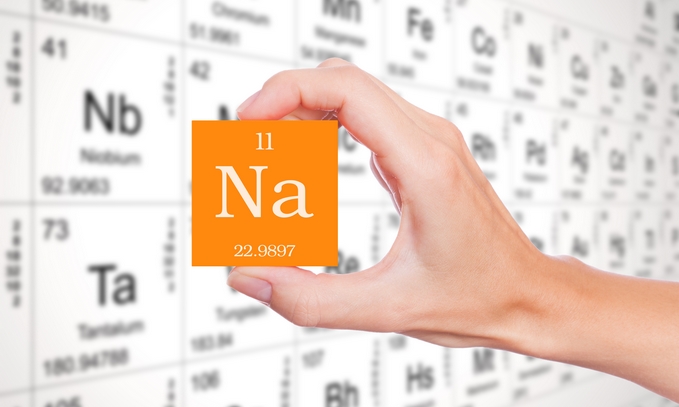
    In animals, Sodium (Na) is an “Essential” element. It plays a central role in electrolyte and ion balance in body fluids and tissues. In plants however, Na is the most predominating problem salt and can cause toxicity. We often consider it a waste product that is pervasive in our soils and waters. While Na may not be necessary to completing the life cycle of a plant; i.e. “Essential” nutrient,” it can increase growth rates, yields and reduce Potassium (K) critical level needs. Scientists have labeled elements like Na as “Functional” nutrients. “Functional” nutrients are those which are crucial to maximizing yield or in reducing critical levels of an “Essential” nutrient like Potassium (K) by partially replacing it.

    Na is a “Functional” nutrient.

    Typically our mental reference to Na in plant nutrition and culture is toxicity, necrosis, tip burn, chlorosis, scorching, bronzing and even death. It is something we are taught to avoid if at all possible at any level or concentration. Most of us have been taught no Na is the goal, but in fact, this is not the case at all. While plant species vary widely in Na uptake and translocation capabilities, what we usually read or hear about is plants subjected to very high Na concentrations in the root zone. There it is translocated to the tops which reduces growth and can cause death. However at proper levels, Na plays some major beneficial roles in plant metabolism including:

    • Chlorophyll synthesis
    • Turgor pressure, osmotic potential and cell expansion
    • Reducing critical levels of K
    • Stomatal function
    • Nutrient transport
    • Enzyme activation
    • Growth stimulation

    The processes listed above are beyond the scope of this blog. Suffice it to say Na function and metabolism in the plant is vast and still largely unresolved. Na is not an “Essential” element, but it is a “Functional” one. In fact, Na is an “Essential” element in some C4 plant species like corn and sugar cane. That is, it is required to complete the life cycle. None the less, much research indicates Na significantly stimulates growth in many plant species, even when K is adequate. Research also indicates K critical levels are reduced in the presence of Na in many crops. Growth rate and nutrient utilization and efficiency are positively affected by Na.

    Whether it is increased chlorophyll production in spinach or lettuce, or increased tomato yields, or improved taste in carrots or sweetness in watermelons and citrus, or higher yields in broccoli, cotton, barley, carrots and many other crops, Na is not the bad guy. It is a “Functional” nutrient. It is an element that can increase yield, increase quality and increase disease resistance in some species.

    The point of this blog is to help the reader understand there is more to plant nutrition and culture than N, P & K. Plants require a balanced diet of not only the “Essential” nutrients but also the “Functional” ones. These nutrients are required in varying amounts. It is a dynamic system with elements interacting with each other, the water, the soil and the plant species in production. Na can be extremely beneficial to plant quality, characteristics and performance.   Who would have thought Na could be a good guy?

    Address your nutritional program needs on a species specific basis. Know your beginning nutrient levels, water quality and characteristics. Use complete plant foods and fertilizers that not only consider the “Essential” nutrients but also the “Functional” ones.

    At BGI, species specific complete balanced and available nutrient plant foods is our design. It’s what we do. Why do we do It? We believe that without beauty life would be intolerable. That beauty is as necessary as sunlight and oxygen to our health and survival. We believe beauty is a divine presence and an “Essential” element to human existence. BGI believes in creating or helping to create beauty in all aspects of our lives, be it in the natural landscape or on the harshest edges of our existence. Why? Because beauty is the ultimate food…soul food! I’m starving!

    Take care,

    Tom

    P.S. If you don’t agree with this blog, go pound Salt

    [/cmsms_text][/cmsms_column][/cmsms_row]

  • Magnesium – Plant Nutrition’s Step Child?

    Magnesium – Plant Nutrition’s Step Child?

    [cmsms_row][cmsms_column data_width=”1/1″][cmsms_text]

    Not all plant problems are caused by disease and insects. Nutrient deficiencies in plants result in reduced growth, reduced yield, lower quality and aesthetics, reduced flowering and fruiting. Fertilizers correct nutrient deficiencies in plants. Following is a perhaps “dry” discussion about Magnesium and its’ role in plant growth yield and success. Often it is the little things in the background that seldom get noticed or recognized in life yet do the “Heavy Lifting” and are essential to success. In the life of a plant, Magnesium deserves more recognition.

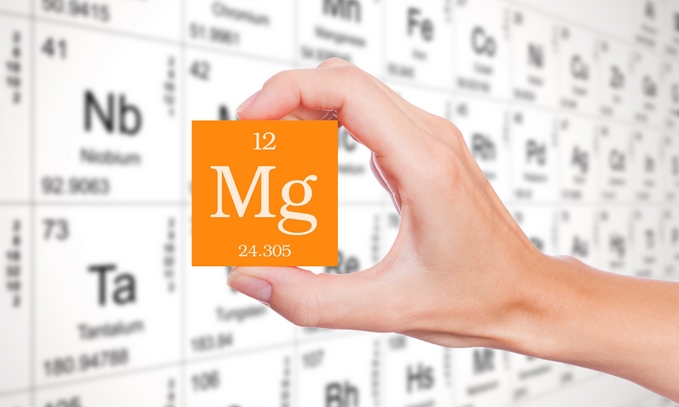
    Magnesium (Mg) is considered a secondary element required for plant growth. The term “Secondary” describes relative nutrient quantity but not importance. As we know from “Liebig’s Law” (previous posts), a “Secondary” nutrient deficiency is just as destructive to plant growth, quality and yield as one of the three primary nutrients (N, P, K). Yet Magnesium is often overlooked and adversely affecting both quality and yield of ornamental and agronomic species.
    NO MAGNESIUM – NO LIFE
    Magnesium is the eighth most abundant element in the earth’s crust, and the fourth most abundant metal ion in cells. It is present in every cell type in every organism. Magnesium is essential to the well being of all organisms. So much for “Secondary”, right? It is the central atom in the chlorophyll molecule. Chlorophyll is a pigment that makes plants green and creates photosynthesis. Magnesium roles in the plant include:
    • The coordinating ion in the chlorophyll molecule, thus making photosynthesis possible.
    • ATP (adenosine triphosphate) is the primary energy source in cells. ATP to be active and available must be bound to a Magnesium ion.
    • Magnesium regulates uptake of other materials in the plant. It acts as a carrier of Phosphorous to seeds. Magnesium aids in production of proteins, fats and vitamins. Magnesium plays a role in starch translocation or movement within the plant.

    Many factors affect Magnesium availability, and we should be aware of these variables. They include:

    • Soil Magnesium content – how much is already in the soil?
    • pH – Magnesium is more available at higher pH’s or less acid soils.
    • Other factors include Manganese/Magnesium ratio, Cation Exchange Capacity (CEC), Potassium (K) and Calcium (Ca) and cation competition, cool soil temperatures.

    Plants differ by species and variety in Magnesium needs. High response food crops include: blueberry, beet, broccoli, cabbage, cauliflower, celery, corn, cucumber, eggplant, lettuce, onion, spinach, squash, tomato and watermelon.

    SYMPTOMS
    Magnesium is a mobile nutrient taken up by the roots. The first observable sign is a depressed rate of photosynthesis or growth. Next is carbohydrate immobility. This is where sugars are produced in the leaves but cannot be transported throughout the plant. Sufficient Magnesium levels are required to maximize carbohydrate transport to “Sink” organs in the plant like seeds, roots and fruit. This promotes higher yields and growth. Due to the lack of mobility, visual symptoms of interveinal chlorosis (yellow leaves with green veins) occur in the older, lower leaves first. In citrus, this symptom is referred to as “Bronzing.”

    FERTILIZER SOURCES
    Soil testing is the best method to measure nutrient availability, determine crop needs and receive specific recommendations. Dolomitic Limestone is most commonly used to correct both Magnesium deficiency and acidity or pH levels. Other materials to correct Magnesium deficiency include:

    • Potassium Magnesium Sulfate (Sul-Po- Mag)
    • Magnesium Nitrate
    • Magnesium Sulfate (Epsom Salts)
    • Chelates – These are well suited for foliar application and often plants will respond more quickly.

    Talking to growers, farmers, nurserymen and garden center managers about nutrient management and plant nutrition I have noticed that the importance of Magnesium is often misunderstood. And here’s the thing – it is critical to all life, well being, health and appearance. Be it photosynthesis (not “Secondary” in anyone’s book), protein synthesis, carbohydrate transport to vital areas in the plant, and ATP or energy production within the plant cell. And plant species have different nutritional needs. All Plants require certain “Essential” nutrients in adequate, balanced and available amounts. BGI products are about providing these nutritional goals. Our products are designed to provide proper nutrition, so the plant and the grower can experience growth, beauty, yield and satisfaction. Let BGI help your plants reach their potential and allow you, or your customer to harvest satisfaction and joy in the process!

    Take care,

    Tom

    P.S. It’s pretty cool I think that many of the human “Super Foods” just happen to be high in our stepchild, Magnesium like spinach (dark leafy greens!), almonds, avocados and dark chocolate! Maybe there is a message here…..? I think so.

    [/cmsms_text][/cmsms_column][/cmsms_row]