
Author: BGI Fertilizers

  • Plant Nutrition Management

    Plant Nutrition Management

    [cmsms_row][cmsms_column data_width=”1/1″][cmsms_image align=”left” animation_delay=”0″]6046|https://www.bgi-usa.com/wp-content/uploads/Plant-Nutrition-Mgt-body-image-1-300×300.png|medium[/cmsms_image][cmsms_text]

    Managing plant nutrition in a sustainable way requires the grower to focus on many diverse goals.  Whether your crop is food or ornamental, maximum yields and economic returns are certain desires.  Environmentally conscious producers consider ammonia, nitrous oxide and nitrate losses, due to, poor application methods, anaerobic conditions and runoff.  Scientists, fertilizer manufacturers and growers are keenly interested in managing plant nutrition to achieve high nutritive values of harvested foods and breathtaking beautiful landscapes.

    These goals are sustainable but each is dependent upon species and location.  Each site, field or farm depends upon and varies by climate, water quality, soil type, texture, structure, pH, internal drainage, inherent fertility, crop grown, etc., etc.  What we are saying is this:

    [/cmsms_text][cmsms_heading type=”h5″ font_weight=”600″ font_style=”normal” text_align=”default” target=”self” margin_top=”0″ margin_bottom=”20″ animation_delay=”0″]NUTRIENT MANAGEMENT IS SITE SPECIFIC.  NUTRIENT MANAGEMENT IS SPECIES SPECIFIC![/cmsms_heading][cmsms_text animation_delay=”0″]

    Reaching all our diverse goals will probably require a trade off.  Maximum yields may not always minimize nitrate losses.  Likewise, minimizing nitrous oxide emissions might not result in maximum crop yields.  So, it is critical to consider the following four factors:

    [/cmsms_text][cmsms_image align=”right” animation_delay=”0″]6048|https://www.bgi-usa.com/wp-content/uploads/Plant-Nutrition-Mgt-body-image-2-300×300.png|medium[/cmsms_image][cmsms_text animation_delay=”0″]

    1. Source – Are supplied nutrients available to the plant and cost effective?
    2. Time – Are nutrient applications correctly timed with crop growth and development?
    3. Rate – Are applied amounts adequate to achieve economic and environmental goals?
    4. Place – Are nutrients being placed in the soil/plant profile where they are available and minimizes potential losses?

    These four factors are site specific, species specific and integral in reaching our diverse yet sustainable goals.

    Sustainability in the plant/soil/water system is analogous to maintaining excellent health through preventative medicine.  The common goal in both cases:

    [/cmsms_text][cmsms_heading type=”h5″ font_weight=”400″ font_style=”italic” text_align=”default” target=”self” margin_top=”0″ margin_bottom=”20″ animation_delay=”0″]TO AVOID ILLNESS BY MAINTAINING OPTIMUM HEALTH THROUGH PROPER NUTRITION.[/cmsms_heading][cmsms_image align=”left” animation_delay=”0″]6050|https://www.bgi-usa.com/wp-content/uploads/Plant-Nutrition-Mgt-body-image-3-300×300.png|medium[/cmsms_image][cmsms_text animation_delay=”0″]

    Deficiency of a single plant nutrient results in stress that impairs optimum growth, yield and quality.  Please refer to “Liebigs Law” in earlier blogs.  Growers have known for decades and scientific studies are again confirming the direct correlation between plant health and nutrition management.  Plant and soil borne pathogens are inhibited by proper mineral nutrition.  Nutrition stimulates physical and chemical defenses that fight pathogens.  Adequate potassium levels for example, thicken epidermal cells and decreases sugar concentrations.  This makes the plant less attractive and susceptible to the local marauding spider mites, white flies and aphids!  Bottom line – stronger plants better tolerate disease and insect pressures.

    Managing plant nutrition to reach economic, yield and environmental goals is dynamic and involves tradeoffs.  Source, time, rate and place are all site specific, species specific factors one must consider.  Applying nitrogen in anaerobic conditions or iron in alkaline soils is futile, expensive, and may result in environmental degradation.  Giving the plants what they need in an available form when they need it in adequate amounts goes a long way toward reaching our multiple and diverse goals.  This is plant nutrition management.

    These are the same goals BGI embraces when developing species specific, completely balanced and available plant foods and plant health products.  Let’s reach high and grab these worthy goals.  Let’s do it together.  BGI is here to help you.  We are all about nutrition management, and you are too.  Together we can sustain.  Together we can grow.  Together we can create abundant health and beauty.  Together we can make divine nature smile!

    And remember;

    Stay healthy – Stay strong.

    Take care,

    [/cmsms_text][cmsms_image align=”left” animation_delay=”0″]5858|https://www.bgi-usa.com/wp-content/uploads/Tom-Scannell-blog-sig-small.png|full[/cmsms_image][/cmsms_column][/cmsms_row]
  • The Quest for Flavorful Tomatoes

    The Quest for Flavorful Tomatoes

    [cmsms_row data_padding_bottom=”50″ data_padding_top=”0″ data_overlay_opacity=”50″ data_color_overlay=”#000000″ data_bg_parallax_ratio=”0.5″ data_bg_size=”cover” data_bg_attachment=”scroll” data_bg_repeat=”no-repeat” data_bg_position=”top center” data_bg_color=”#ffffff” data_color=”default” data_padding_right=”3″ data_padding_left=”3″ data_width=”boxed”][cmsms_column data_width=”1/1″][cmsms_image align=”left” animation_delay=”0″]6182|https://www.bgi-usa.com/wp-content/uploads/The-Quest-for-Flavorful-Tomatoes-pic-2-300×300.png|medium[/cmsms_image][cmsms_text animation_delay=”0″]

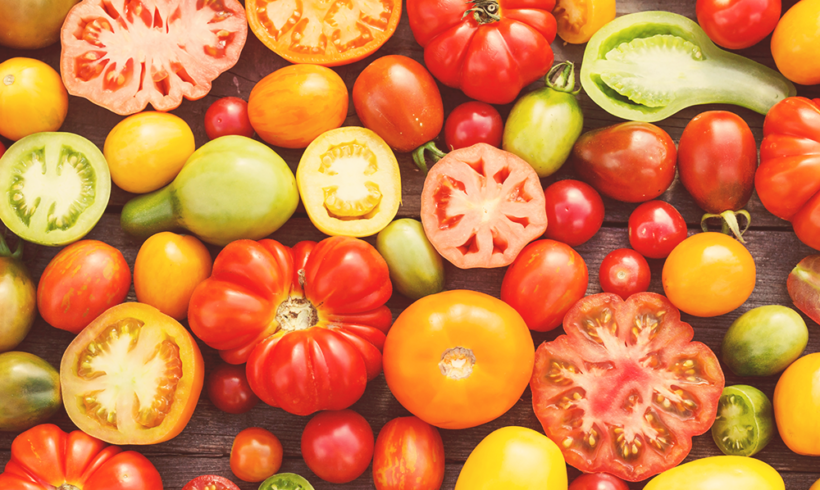
    One of the most popular vegetables in the home garden, as well as at the grocery store, are tomatoes. A lot of what I hear from homeowners is the newer commercial varieties have not considered taste in their breeding selection. While pest resistance, days to maturity and shelf life may be critical to growers, the bottom line to the homeowner and home gardener is taste – and rightly so!

    Tomato fertilization and soil fertility can play a significant role in not only flavorful but nutritious and high yielding tomato plants.

    Proper plant nutrition will always benefit tomato appearance and flavor, and the first step is a soil test. Your Extension service can provide information, analysis and recommendations.

    [/cmsms_text][cmsms_image align=”right” animation_delay=”0″]6181|https://www.bgi-usa.com/wp-content/uploads/The-Quest-for-Flavorful-Tomatoes-pic-1-300×300.png|medium[/cmsms_image][cmsms_text animation_delay=”0″]

    Regarding taste, human taste testers always find the best flavors associated with high acid content, high soluble solids or high sugar content.

    Numerous tomato fertility studies have looked at P (phosphorus) and K (potassium) levels and their effect on fruit. It turns out, when both P & K are provided in excess (150%) of typical needs or recommendations, fruit had better quality, color, texture and taste. It’s no wonder since the studies indicate more K produces higher acid content, and increased P boosts sugar content – the 2 attributes that make great tasting tomatoes! Adequate K also results in more uniform color and ripening!

    With regards to N (nitrogen), it is often a case of “too much of a good thing”, actually harming fruit flavor.

    Here at BGI, we formulated our Tomatogain based on generations of professional grower knowledge and state university research.

    [/cmsms_text][cmsms_image align=”left” animation_delay=”0″]6185|https://www.bgi-usa.com/wp-content/uploads/The-Quest-for-Flavorful-Tomatoes-pic-300×300.png|medium[/cmsms_image][cmsms_text animation_delay=”0″]

    If you notice our formula 8-16-16, it provides adequate nitrogen, but plentiful phosphorus and potassium. Tomatoes are voracious feeders. You want those nutrients available in sufficient amounts when the plant needs them.

    One other interesting environmental effect on tomatoes is light. Without full sun, sugar concentration will be reduced. That is why during the winter months in the northern states you have greenhouse grown tomatoes that are, personally speaking, horrible!

    While variety selection, growing conditions and degree of vine ripeness are large factors in tomato flavor, appearance and texture, adequate nutrition is equally important. Feed those hungry tomatoes with just the right stuff – Tomatogain 8-16-16 – and literally enjoy the (tasty) fruits of your knowledge & labor!

    Take care,

    [/cmsms_text][cmsms_image align=”left” animation_delay=”0″]5858|https://www.bgi-usa.com/wp-content/uploads/Tom-Scannell-blog-sig-small.png|full[/cmsms_image][/cmsms_column][/cmsms_row]

  • Plant Nutrition and Disease

    Plant Nutrition and Disease

    [cmsms_row][cmsms_column data_width=”1/1″][cmsms_image align=”left” animation_delay=”0″]6044|https://www.bgi-usa.com/wp-content/uploads/Plant-Nutrition-and-Disease-body-image-2-200×200.png|thumbnail[/cmsms_image][cmsms_text]

    Does anyone like diseased plants?

    Does anyone prefer to grow, produce and enjoy strong, healthy vibrant plants?

    Which are more marketable?  Which are more appealing to the eye; to the customer?

    Growers of hundreds of species of ornamental plants across the United States understand there are certain minerals we call essential nutrients.  They are essential to achieve optimum plant growth, development, quality and yield.  However, what I am finding through conversations with growers, garden center managers and landscapers is few understand the critical role balanced mineral nutrition has in disease resistance.

    [/cmsms_text][cmsms_image align=”right” animation_delay=”0″]6043|https://www.bgi-usa.com/wp-content/uploads/Plant-Nutrition-and-Disease-body-image-1-1-200×200.png|thumbnail[/cmsms_image][cmsms_text animation_delay=”0″]

    Plant nutrition affects disease and pathogen resistance mechanisms in primarily two ways: Mechanical barriers or cell wall thickening and production of pathogen defense compounds like flavanoids and antioxidants.

    There are two general rules that we need to remember regarding plant nutrition and disease resistance: All of the essential nutrients are required and must be present, available and in the proper amounts and plants that have optimal nutrition also have the greatest resistance to diseases.

    Let’s take a couple examples:

    [/cmsms_text][cmsms_image align=”left” animation_delay=”0″]6035|https://www.bgi-usa.com/wp-content/uploads/Plant-Nutrition-and-Disease-body-image-1-300×300.png|medium[/cmsms_image][cmsms_text animation_delay=”0″]

    1. K & Ca – weak cell walls leak nutrients between the cells or to the apoplast. This creates an ideal environment to germinate fungal spores and bacterial infections.  These mineral deficiencies of Potassium and Calcium obviously lower the plants resistance to fungal and bacterial diseases.
    2. Cu – Copper is widely used as a commercial fungicide.  Nutritionally speaking, copper deficiency results in impaired synthesis of chemical defense compounds that provide protection against pathogens.
    3. Mo & Mn – Molybdenum deficiency can reduce nitrate reductase production, which converts nitrates to proteins.  This is critical or shall we say essential.  Soil applied Manganese can inhibit growth of certain soil borne fungi.

    Nutrient exchange, uptake and plant disease resistance is like the weather.  It is a complex, dynamic system that has many interacting processes occurring simultaneously.  Because we know that no nutrient functions in isolation from the others, providing adequate essential nutrients is critical to the proper health, functioning and disease resistance of higher plants.  Growing a commercial crop, a potted plant or a country club landscape requires strategic integrated pest management (IPM). In the IPM world, optimum nutrient levels make sense economically, agronomically and environmentally.

    Proper nutrition truly is the first step in pest management.  It makes sense for so many reasons.

    Remember, plants that have optimal nutrition also have the greatest resistance to diseases.

    The BGI family of products fulfill this critical nutrient need.

    Stay at ease, not dis-ease; stay healthy from the start and go with the family of GAIN products.

    I hope this helps!

    Take care,

    [/cmsms_text][cmsms_image align=”left” animation_delay=”0″]5858|https://www.bgi-usa.com/wp-content/uploads/Tom-Scannell-blog-sig-small.png|full[/cmsms_image][/cmsms_column][/cmsms_row]

  • Essential Hibiscus Fertility Facts

    Essential Hibiscus Fertility Facts

    [cmsms_row][cmsms_column data_width=”1/1″][cmsms_image align=”left” animation_delay=”0″]6032|https://www.bgi-usa.com/wp-content/uploads/EHFF-Body-image-300×300.png|medium[/cmsms_image][cmsms_text]

    The following is a brief discussion of Hibiscus fertility needs and best practices.

    Hibiscus are heavy feeders. They like to be fertilized lightly and often, at least once per month during the growing season.  The goal here is to maintain an adequate supply of nutrients that promote profuse blooming.  A balanced mixture of Nitrogen (N), Phosphorous (P), and Potassium (K) will be inadequate, unless it contains other essential elements to the Hibiscus including; Magnesium, Manganese, Iron, Copper and Zinc.  Magnesium (Mg) is critical to Hibiscus and should be a minimum of 3% in your plant food mix.

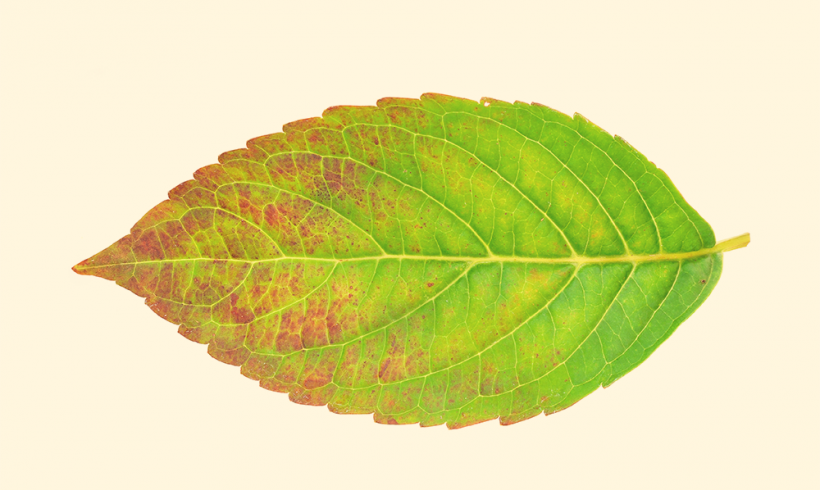
    Hibiscus prefer a slightly acid soil (pH 6-7), because micronutrients are more available to the plant.  Iron (Fe) deficiency is the most common micronutrient deficiency in Hibiscus.  Iron is not available in alkaline, high pH soils.  Using acid forming fertilizers like HibisGain can maintain and even acidify the soil making these nutrients more available.  If your plant has younger leaves that are yellow and the larger veins are green, (interveinal chlorosis), you have an Fe deficiency.

    [/cmsms_text][cmsms_image align=”right” animation_delay=”0″]6031|https://www.bgi-usa.com/wp-content/uploads/EHFF-Body-image-2-300×300.png|medium[/cmsms_image][cmsms_text animation_delay=”0″]

    Never apply fertilizer to dry soil.  Always water Hibiscus well both before and after fertilization.  Keep the granular fertilizer off the foliage and away from the trunk.  These practices help insure you will not burn the plant.

    Most growers prefer a low phosphate (P) fertilizer like a 12-6-8, since it helps produce the highest quality and quantity of blooms.  Professional growers avoid the so called “Bloom Special” fertilizer mixes like 10-40-10 that contains high amounts of (P).  High Phosphorous amounts in the soil cause the destruction of Hibiscus health over time.

    Try Hibisgain® on your beautiful plants.  It’s a properly balanced, nutrient available plant food specifically developed to promote blooming in Hibiscus.

    We are blessed with the beauty of Hibiscus.  May we go and grow them in their greatest splendor, creating color and joy and beauty for anyone and all to enjoy and cherish.

    Take care!

    [/cmsms_text][cmsms_image align=”left” animation_delay=”0″]5858|https://www.bgi-usa.com/wp-content/uploads/Tom-Scannell-blog-sig-small.png|full[/cmsms_image][/cmsms_column][/cmsms_row]

  • “SUPERCHARGE” with SUPERGAIN

    “SUPERCHARGE” with SUPERGAIN

    [cmsms_row][cmsms_column data_width=”1/1″][cmsms_image align=”left” animation_delay=”0″]5885|https://www.bgi-usa.com/wp-content/uploads/Blog-supercharge-with-supergain-body-image2-300×300.png|medium[/cmsms_image][cmsms_text animation_delay=”0″]

    Like Popeye eating his spinach to endure any beating from Brutus, acquire super strength and save Olive oil, Supergain is the supercharged supplement for your garden, turf, veggies, flowers and ornamentals!

    Supergain is a 21st century technology utilizing multiple proprietary ingredients that actually affects the plant at the genetic level. Supergain is not a fertilizer. It is a highly concentrated “Plant performance activator.” Using “Gene chip” technology to map gene sequences and “Bio-informatics” to measure gene expression, the compounds in Supergain are able to up regulate specific plant genes that enhance quality and vigor in ornamental, turf and agronomic crops.

    [/cmsms_text][cmsms_image align=”right” animation_delay=”0″]5884|https://www.bgi-usa.com/wp-content/uploads/Blog-supercharge-with-supergain-body-image1-300×300.png|medium[/cmsms_image][cmsms_text animation_delay=”0″]

    Research scientists have isolated hundreds of plant derived organic compounds and molecules that augment physiological activities through gene expression; i.e. the ability to turn specific genes on and off. Examples include increasing chlorophyll production, reductase production, enhanced nutrient uptake and translocation, increased drought tolerance, salt tolerance, increased photosynthesis and inflorescence.

    Like Popeye eating his dark leafy greens, Supergain use on agronomic crops have shown double digit percentage yield increases. Supergain is truly and example of a new era in plant health and physiology. This is not 1950’s World Fair technology.

    [/cmsms_text][cmsms_image align=”left” animation_delay=”0″]5888|https://www.bgi-usa.com/wp-content/uploads/Blog-supercharge-with-supergain-body-image3-300×300.png|medium[/cmsms_image][cmsms_text animation_delay=”0″]

    This is not snake oil, and there are many snake oils out there. The measurable and visual results of this product in plant vigor, yield, and growth are truly spectacular! I have never seen anything like it.

    Supergain is a naturally derived plant biostimulant, and I challenge you to try it. Supergain is magic and a miracle worker. It is new to me, and I have raised crops commercially for 35 years. So if you want your veggies, your flowers, and your grass to become world class performance athletes in the flora arena, try Supergain today, and behold the beauty! And it makes that garden and lawn so much more rewarding and fun.

    P.S. Eat more spinach!

    Take care,

    [/cmsms_text][cmsms_image align=”left” animation_delay=”0″]5858|https://www.bgi-usa.com/wp-content/uploads/Tom-Scannell-blog-sig-small.png|full[/cmsms_image][/cmsms_column][/cmsms_row]

  • Citrus Nutrition & Juicy Fruit

    Citrus Nutrition & Juicy Fruit

    [cmsms_row][cmsms_column data_width=”1/1″][cmsms_text animation_delay=”0″]

    There are 17 essential elements or nutrients required for proper plant growth, function, yield and quality.  Carbon, Hydrogen and Oxygen make up over 90% of a tree’s biomass.  The other 14 essential, mineral nutrients are categorized as primary (N, P, K); secondary (Ca, Mg, S) and micro (Fe, Mn, B, Zn, Cu, Mo, Cl, Ni).  These categories indicate the relative amounts of each nutrient required to achieve successful plant growth and yield.

    [/cmsms_text][cmsms_image align=”left” animation_delay=”0″]5871|https://www.bgi-usa.com/wp-content/uploads/Blog-citrus-juicy-fruits-body-image1-300×300.png|medium[/cmsms_image][cmsms_text animation_delay=”0″]

    Do not misinterpret these categories to mean the micros are less important to plant metabolism and yield than the macros.  The difference between Fe and N is the amounts required, not their importance.  In fact, Fe, for example, is a micro nutrient, but a deficiency can result in total plant or crop loss.  The micros are not less important.

    Generally speaking, if any nutrient element is severely deficient, fruit quality and yield are adversely affected.  This is exactly the reason BGI developed with growers, manufacturers and university research a species specific, prescription based fertilizer that will meet all the citrus tree’s nutritional needs.

    The goal of any fertilizer program is to supply an adequate, balanced amount of essential nutrients in an available form in a timely manner to achieve in the case of citrus – a high yielding quality fruit.

    [/cmsms_text][cmsms_image align=”right” animation_delay=”0″]5874|https://www.bgi-usa.com/wp-content/uploads/Blog-citrus-juicy-fruits-body-image3-300×300.png|medium[/cmsms_image][cmsms_text animation_delay=”0″]

    Let’s briefly describe the critical roles a few of these nutrients play:

    N – Nitrogen influences growth and quality more than any other nutrient.  If your tree canopy is hollow or thin; if older leaves are prematurely falling off (should stay on 1-2 years); if foliage is pale and chlorotic (yellowing), you are Nitrogen deficient.  Yield will be severely reduced.

    K – Potassium deficiency results in fruit quantity and size reduction and lower juice quality.  Insufficient Potassium results in slow vegetative growth and thin foliage on top.

    Fe – Iron deficiency creates an interveinal chlorosis pattern on younger leaves.  It occurs in alkaline (high pH) and waterlogged soils.

    [/cmsms_text][cmsms_image align=”left” animation_delay=”0″]5872|https://www.bgi-usa.com/wp-content/uploads/Blog-citrus-juicy-fruits-body-image2-300×300.png|medium[/cmsms_image][cmsms_text animation_delay=”0″]

    These are just three examples of nutrient deficiency effects and outcomes.

    There are no one size fits all fertilizers.  All plants have different nutritional requirements.  If any one essential element drops below a critical availability threshold, fruit yield and quality and tree growth will suffer – even if all of the other elements are available in adequate amounts.

    Having a deficiency of one nutrient in the plant can also cause a negative interaction; whereby it inhibits the plant’s ability to take up other nutrients that are adequately available.  And this is precisely the reason Citrusgain – a species specific complete balanced nutrition fertilizer was developed.  In school professors referred to this nutritional balance concept as Law of the minimums or Liebig’s law.

    THE BGI BOTTOM LINE

    [/cmsms_text][cmsms_image align=”right” animation_delay=”0″]5882|https://www.bgi-usa.com/wp-content/uploads/Blog-citrus-juicy-fruits-body-image5-300×300.png|medium[/cmsms_image][cmsms_text animation_delay=”0″]

    You reap what you sow. The relationship of yield and nutrient supply has been documented for a long time.  Scientists call it the yield response curve. BGI wants the homeowner and citrus grower to be high on that curve.  While other factors like irrigation, pests and cultivar are important, balanced and adequate nutrition is critical to success.

    A healthy high yielding, high quality fruit, color, shape, size, and juice are your success.

    An excited, joyful customer harvesting and enjoying and consuming the fruit of her labor is BGI’s goal.

    So, balance, quantity and availability are critical goals in a citrus fertilizer.

    If your desire is to have your trees climb high on that curve of yield response, use CitrusGain and expect high yields and exceptional quality!

    Take care,

    [/cmsms_text][cmsms_image align=”left” animation_delay=”0″]5858|https://www.bgi-usa.com/wp-content/uploads/Tom-Scannell-blog-sig-small.png|full[/cmsms_image][/cmsms_column][/cmsms_row]

  • Malnourished Opulence

    Malnourished Opulence

    [cmsms_row][cmsms_column data_width=”1/1″][cmsms_image align=”left” animation_delay=”0″]5955|https://www.bgi-usa.com/wp-content/uploads/Blog-malnourished-oppulance-body-image2-1-300×300.png|medium[/cmsms_image][cmsms_text animation_delay=”0″]

    Malcolm de Chazal was an agronomist turned poet and visionary. His words ring a deafening truth today.

    As I drive across south Florida visiting clients at clubs, estates, golf courses all in affluent areas, my eye of observation deep in the landscape sees a panorama of mediocrity, an underlying sense of weakness and disease.

    CONTRADICTION

    The contradiction of these well planned communities and compounds is the contrast between the impeccably maintained, gorgeous infrastructure and the declining, seemingly exhausted landscape.

    [/cmsms_text][cmsms_text animation_delay=”0″]

    One ocean front example is in Pompano Beach.  Along the “Hillsboro mile,” location and facilities are exquisite – detail and grandeur wrapped in quality construction.  However, the landscape is apparently the stepchild in this home, and she appears anorexic as well.  Lack of attention often is worse than negative attention, which is the case here.  Chlorosis and Brown Patch abounds.  Tropical color is fleeting.  When I do see an occasional flower here, there is no smile.  Unfortunately, similar distressing scenes repeat across our state – low fertility, malnourishment in the landscape, corresponding poor performing plants, and disease.

    [/cmsms_text][cmsms_image align=”right” animation_delay=”0″]5865|https://www.bgi-usa.com/wp-content/uploads/Blog-malnourished-oppulance-body-image2-300×300.png|medium[/cmsms_image][cmsms_text animation_delay=”0″]

    DRIVE THRU MINDSET

    I understand the allure of cheap food and cheap fertilizer. Who hasn’t taken the fast food drive-thru?  It’s fast.  It’s cheap.  It fixes the problem…at least for now.  It’s the same for the landscape contractor.  I get it.  It’s all purpose one size fits all fertilizer.  It’s economical.  It’s simple.

    But, like the drive-thru, a steady diet of empty, cheap food may satisfy short term but ultimately leads to increased incidence of diabetes, cancer, heart disease, bone loss, stroke, etc. etc.  Likewise, in the landscape we see weak, poor performing, low quality, nutrient deficient, diseased plants.

    [/cmsms_text][cmsms_image align=”left” animation_delay=”0″]5867|https://www.bgi-usa.com/wp-content/uploads/Blog-malnourished-oppulance-body-image3-300×300.png|medium[/cmsms_image][cmsms_text animation_delay=”0″]

    LONG TERM MENTALITY

    The problem occurs over the longer term and visibly manifests itself in weak, sick ugly plants.  Fertility effects on plant disease have been documented for well over 100 years.  It’s common sense, right?  If you’re healthy, you’re strong and less likely to fall ill.  In plants, diseases like pythium, rhizoctonia, and botrytis decrease with increased potassium.  Copper suppresses bacteria and fungi.  Calcium reduces various root rot diseases, etc., etc.

    In our diet it’s dietary fiber, B vitamins, anti-oxidants, unprocessed foods, medium chain fatty acids, etc.  In plant diets similarly, it is providing all the necessary nutrients at the adequate rates in an available form at the right time.  This results in visually healthy, strong, minimally stressed disease-free plants.  All-purpose controlled release fertilizers cannot do this.

    [/cmsms_text][cmsms_image align=”right” animation_delay=”0″]5868|https://www.bgi-usa.com/wp-content/uploads/Blog-malnourished-oppulance-body-image4-300×300.png|medium[/cmsms_image][cmsms_text animation_delay=”0″]

    ROI & PENNY FOOLISH

    Real estate periodicals often have” capital improvement” articles and one of the two highest ROI’s always cited is landscape.  So why exactly have we decided to not keep our landscape healthy and beautiful?  Does it not make sense or cents?  Would we not look better as an industry… as a professional?  Are we doing anyone or anything any favors by lowering the bar and being penny foolish?  Is there any joy in junk landscape for anyone?

    Here at BGI, quality is what excites us.  Visual beauty is our goal.  Product performance is how we get there.  Mediocrity is not a desired outcome.  So next time, drive by the drive-thru.  Go get the nutrient rich foods, not the empty ones.  Likewise, use BGI Premium Plant Foods to turn your landscapes into world class models.

    Wouldn’t it be a great act and a wise notion to allow that flower, like Malcolm de Chazal said; to smile and laugh again, and we could all rejoice in all its’ splendor!

    Take care,

    [/cmsms_text][cmsms_image align=”left” animation_delay=”0″]5858|https://www.bgi-usa.com/wp-content/uploads/Tom-Scannell-blog-sig-small.png|full[/cmsms_image][/cmsms_column][/cmsms_row]
  • Competitive Advantage

    Competitive Advantage

    [cmsms_row][cmsms_column data_width=”1/1″][cmsms_text animation_delay=”0″]

    I talk to a lot of garden center owners and managers and lately what I’m hearing them say is they are offering dozens of plant food choices but customers are often coming back dissatisfied, looking for something more, something better, and something that will perform and show visual results.

    [/cmsms_text][cmsms_image align=”left” animation_delay=”0″]5852|https://www.bgi-usa.com/wp-content/uploads/Blog-competitive-advantage-body-image1-300×300.png|medium[/cmsms_image][cmsms_text animation_delay=”0″]

    I then pose the question; “If I could help you solve this problem and also create a high return on investment, would you be interested?”  Unless they just can’t stand the sight of me, the response is almost always an emphatic, “Of course!”

    Provided the owner/manager has a few moments, I begin the conversation on a few specific advantages of BGI Premium Plant Foods and the plant food performance problem:

    TIGER OR A HACK?

    BGI products are developed and used by professional growers over years of trial and experience. The point here is, wouldn’t you want to give to your customer what the pros are using?  It’s that simple.  Professional growers use the best.  I want what the pros are using!  I want my plants to perform like Tiger!

    [/cmsms_text][cmsms_image align=”right” animation_delay=”0″]5853|https://www.bgi-usa.com/wp-content/uploads/Blog-competitive-advantage-body-image2-300×300.png|medium[/cmsms_image][cmsms_text animation_delay=”0″]

    PIZZA & CHIPS?

    Can man live on pizza and chips alone?

    Well, maybe for a while but not very well, ugh. BGI products adhere to what academia calls “Liebig’s Law.” Justus Von Liebig was a 19th century German botanist who understood that growth potential is not determined by the total amount of resources available, but by the scarcest resource. Like man and pizza, plants need more than general, generic all-purpose cheap fertilizers. They lack many available essential minor and trace elements.  BGI Premium Plant Foods are species specific that provide all nutrients in the right proportions and available amounts.

    [/cmsms_text][cmsms_image align=”left” animation_delay=”0″]5856|https://www.bgi-usa.com/wp-content/uploads/Blog-competitive-advantage-body-image3-300×300.png|medium[/cmsms_image][cmsms_text animation_delay=”0″]

    BLACK OR GREEN?

    The most satisfying comment I receive from a homeowner goes something like this; “My bougainvillea were, leggy, yellow and had no color.  I had given up hope and then I saw your fertilizer was specific to bougainvillea.  I decided to try one more time.  They greened up and started flowering! I was so happy – I can do this after all!”  I’m just saying, (IJS), this is definitely a return customer. I better shut up for now, because I can talk forever.  But, if Mr. or Mrs. Garden Center desires customer satisfaction and customer joy, improved return on investment and “comping” the register – take it from the pros like Tiger and Liebig, provide your clientele the tools to succeed and create a little joy and divine beauty in their lives!  Actually, I think that’s a pretty cool thing to do, don’t you?

    Take care,

    [/cmsms_text][cmsms_image align=”left” animation_delay=”0″]5858|https://www.bgi-usa.com/wp-content/uploads/Tom-Scannell-blog-sig-small.png|full[/cmsms_image][/cmsms_column][/cmsms_row]

  • Winter Preparations, Florida Style

    Winter Preparations, Florida Style

    [cmsms_row data_width=”boxed” data_padding_left=”3″ data_padding_right=”3″ data_color=”default” data_bg_color=”#ffffff” data_bg_position=”top center” data_bg_repeat=”no-repeat” data_bg_attachment=”scroll” data_bg_size=”cover” data_bg_parallax_ratio=”0.5″ data_color_overlay=”#000000″ data_overlay_opacity=”50″ data_padding_top=”0″ data_padding_bottom=”50″][cmsms_column data_width=”1/1″][cmsms_image align=”left” animation_delay=”0″]5838|https://www.bgi-usa.com/wp-content/uploads/shutterstock_582513535-e1512752196971-300×292.jpg|medium[/cmsms_image][cmsms_text animation_delay=”0″]

    Florida isn’t really known for extreme cold weather. However, temperatures can drop, and there are things we can do to keep our lawns looking their best throughout any season. As the temperatures cool our grass will start to go into a dormant stage, which results in slower growth and reduced water requirements.  During dormant periods your grass will focus its resources on the keeping the root system strong, not on shoots growing above ground.  Luckily for those of us in South Florida, 40-degree temperatures are few and far between. Maintenance routines likely will not change much until January or February and will be short lived. For those of you who live a little farther north, you might notice dormancy earlier and can expect it to last weeks or months longer.

    [/cmsms_text][cmsms_divider type=”transparent” margin_top=”10″ margin_bottom=”10″ animation_delay=”0″][cmsms_heading type=”h2″ font_weight=”400″ font_style=”normal” text_align=”center” target=”self” margin_top=”0″ margin_bottom=”20″ animation_delay=”0″]To protect your lawn from the cold, check these tips off your “to-do” list![/cmsms_heading][cmsms_image align=”left” animation_delay=”0″]5839|https://www.bgi-usa.com/wp-content/uploads/shutterstock_613188725-e1512754479756.jpg|full[/cmsms_image][cmsms_text animation_delay=”0″]

    • Cleanliness is next to Godliness: Be sure to clear leaves and debris from the lawn. These can create brown spots, and can bring unwanted seeds/plant matter that lead to weeds into your lawn.
    • Aerate to Save a Life: Heavy Florida rains year-round compact soil. An aerationinvolves perforating the soil with small holes to allow air, water and nutrients to penetrate the grass This helps the roots grow deeply and produce a stronger, more vigorous lawn.
    • Topdressin’ Like a Fool: For our Northern Floridians, avoid the harsh dryness that is associated with cooler weather by applying a topdressing. This helps protect your lawn from dry weather and reduces thatch buildup. Also use topdressing to protect overseeding, but be weary of weeds!

    [/cmsms_text][cmsms_image align=”right” link=”https://www.bgi-usa.com/wp-content/uploads/shutterstock_721074637-e1512754419541.jpg” animation_delay=”0″]5840|https://www.bgi-usa.com/wp-content/uploads/shutterstock_721074637-e1512754419541.jpg|full[/cmsms_image][cmsms_text animation_delay=”0″]

    • Weeds, Weeds and Weeds, Oh My!: Weeds tend to flare up in soil that is exposed to direct sunlight and abundance of water. Keeping your grass at the correct height for its cultivar and water about 1” of water per week is great way to avoid weeds naturally.
    • What’s the Deal with Overseeding?: Lastly, to help maintain the green we love to see, consider overseeding. This is the practice of applying grass seed to an existing lawn. In Florida, we want to apply a temporary cool weather seed to our permanent warm weather lawns.  Ryegrass is the most popular choice in Florida because it will stay green in cooler weather, but will die out as we reach spring, allowing your natural lawn cultivar to resume dominance.  Wait until the temps are averaging low to mid 70’s before you start seeding! Learn more about overseeding at the University of Florida’s IFAS blog: http://solutionsforyourlife.ufl.edu/archive/hot_topics/lawn_and_garden/overseeding_winter_lawns.shtml

    [/cmsms_text][cmsms_text animation_delay=”0″]

    The Florida winter is short lived, you’ll be back to your normal lawn routines in a few short months, or weeks depending on Mother Nature! ????

    Take care,
    Joanna

    [/cmsms_text][/cmsms_column][/cmsms_row]

  • Earth Day 2017

    Earth Day 2017

    [cmsms_row data_padding_bottom=”50″ data_padding_top=”0″ data_overlay_opacity=”50″ data_color_overlay=”#000000″ data_bg_parallax_ratio=”0.5″ data_bg_size=”cover” data_bg_attachment=”scroll” data_bg_repeat=”no-repeat” data_bg_position=”top center” data_bg_color=”#ffffff” data_color=”default” data_padding_right=”3″ data_padding_left=”3″ data_width=”boxed”][cmsms_column data_width=”1/1″][cmsms_heading type=”h1″ font_weight=”400″ font_style=”normal” text_align=”default” target=”self” margin_top=”0″ margin_bottom=”20″ animation_delay=”0″]Hppy Earth Day![/cmsms_heading][cmsms_image align=”right” animation_delay=”0″]5427|https://www.bgi-usa.com/wp-content/uploads/shutterstock_400813840-300×200.jpg|medium[/cmsms_image][cmsms_text animation_delay=”0″]

    As Earth Day approaches and we make another pass around the sun I am encouraged and hopeful that we are all taking notice of the things we can do for Mother Earth and future generations. In my industry, there are many opponents to inorganic fertilizers. And the stigma placed on what we do can be frustrating at times…I recently watched an old documentary about fertilizer use and a scientist was explaining that large Agricultural companies were using fertilizers that focused on N-P-K only. As a result, they would soon experience the pitfalls of not focusing on complete nutrition, like disease and pests which are directly related to poor nutrition.

    Take this stigma a step further and you’ll hear proponents of organic only fertilizer programs tell you that the soil in an inorganic fertilizer program is unhealthy and making you sick.  What they don’t tell you is how much you have to spend to keep your organic garden pest and disease free and how much work has to go into such a program to keep it completely organic. What they could talk about is that by utilizing the 4Rs (Right Source, Right Rate, Right Time, Right Place) you too can uphold the stewardship with many global organizations, grow healthy fruits and vegetables and beautiful flowering plants, save money and time all while  using inorganic fertilizers!

    [/cmsms_text][cmsms_image align=”left” animation_delay=”0″]5426|https://www.bgi-usa.com/wp-content/uploads/shutterstock_5629458551-300×221.jpg|medium[/cmsms_image][cmsms_text animation_delay=”0″]

    We care very much about the earth and our customers. Something everyone needs to know is that inorganic does not mean unnatural!  It simply means that it doesn’t come from a carbon-based source. BGI fertilizers, for instance, focus on all the necessary nutrients to help plants grow to their full potential, and since we focus on the “species” we make sure there isn’t anything you don’t need in the blend. You can use teaspoons of inorganic fertilizers instead of cups of organic fertilizers. Scientists have discovered that mycorrhizzae as a soil amendment can help maintain the health of the soil and make your nutrition program more effective, and it is available in the marketplace today for the consumer.  What I am trying to say is that you can save money year-round, have great results and still be earth conscious!

    Just a little “plant” food for thought!

    Joanna ☀️

    [/cmsms_text][/cmsms_column][/cmsms_row]