Author: BGI Fertilizers

  • The Fruit That Took Over the World

    The Fruit That Took Over the World

    [cmsms_row data_width=”boxed” data_padding_left=”3″ data_padding_right=”3″ data_color=”default” data_bg_color=”#ffffff” data_bg_position=”top center” data_bg_repeat=”no-repeat” data_bg_attachment=”scroll” data_bg_size=”cover” data_bg_parallax_ratio=”0.5″ data_color_overlay=”#000000″ data_overlay_opacity=”50″ data_padding_top=”0″ data_padding_bottom=”50″][cmsms_column data_width=”1/1″][cmsms_image align=”left” animation_delay=”0″]6825|https://www.bgi-usa.com/wp-content/uploads/Tomatoes-4-300×300.jpg|medium[/cmsms_image][cmsms_text animation_delay=”0″]

    That’s right; we’re talking tomatoes. Tomatoes have become a global phenomenon in a relatively short amount of time. They’re in everything! Ketchup, marinara, bolognese, salsa, and much more. We also love eating tomatoes on sandwiches, burgers, tacos, pizzas, and even just a slice with a little salt on it. Tomatoes are a global phenomena. But, they can be a fickle mistress in the garden. So, we’re here to shine a light on best practices for growing the best and juiciest tomatoes you can.

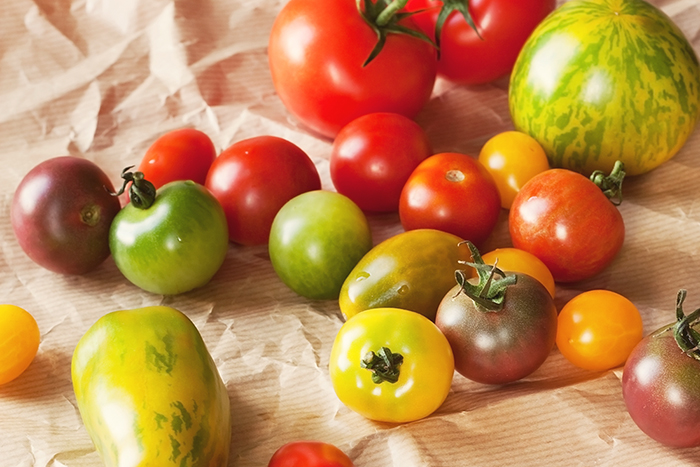
    First, let’s look at varieties. There are many different kinds of tomatoes such as heirloom, cherry, grape, beefsteak, Brandywine, big boy, cocktail, Roma, and tomatoes on the vine, to name a few. And, they come in all different colors from white to purple, red, yellow, green, and even stripes. Each of these types of tomato has its own unique flavor profile and use in an enormous list of recipes and family dishes. But, where to begin when it comes to growing them? Well, it helps to have a little background information.

    [/cmsms_text][cmsms_heading type=”h4″ font_weight=”400″ font_style=”normal” text_align=”default” target=”self” margin_top=”0″ margin_bottom=”20″ animation_delay=”0″]Determinate vs. Indeterminate[/cmsms_heading][cmsms_text animation_delay=”0″]

    There are so many different varieties of tomatoes, but what matters is the type of plant you’re buying and how they grow throughout the season.

    [/cmsms_text][cmsms_image align=”right” animation_delay=”0″]6827|https://www.bgi-usa.com/wp-content/uploads/Tomatoes-2-300×300.jpg|medium[/cmsms_image][cmsms_text animation_delay=”0″]

    There are what are called determinate tomatoes, which bloom and set fruit all at once and then decline. Their blossoms grow at the ends of shoots. These plants then stop growing and are usually compact plants that require no pruning and little staking. One exception to this rule is what we call, “vigorous” determinants, which produce such large fruit that they need support, like a trellis or fence.

    Another type of plant is called, you may have guessed, indeterminate tomatoes. These are the vines that are in for the whole summer. They continue to grow and to produce tomatoes throughout the growing season because the flowers grow along the vines rather than at the ends. Since they don’t come to a determined point but grow until stopped by cold weather or a pair of clippers (hence their name), they, too, generally need to be supported or pruned regularly.

    [/cmsms_text][cmsms_heading type=”h4″ font_weight=”400″ font_style=”normal” text_align=”default” target=”self” margin_top=”0″ margin_bottom=”20″ animation_delay=”0″]The Six Degrees of Tomato Care[/cmsms_heading][cmsms_image align=”left” animation_delay=”0″]6185|https://www.bgi-usa.com/wp-content/uploads/The-Quest-for-Flavorful-Tomatoes-pic-300×300.png|medium[/cmsms_image][cmsms_text animation_delay=”0″]

    The major difference between these types of plants is going to be growing time and, therefore nutrition requirements. As a vine-ripened fruit, all tomatoes require high levels of nutrients. Different varieties grow best in various climates. There are six requirements for growing tomatoes, and the first of course is sunlight. Tomatoes require a minimum of eight hours of sunlight a day. Secondly, they need three to four months of fairly consistent temperatures (between 55 and 75 degrees Fahrenheit), and they prefer a relatively dry season. Third, tomatoes prefer even and continuous watering. The soil should be kept moist, meaning not too wet or too dry. If you’re experiencing particularly dry weather, it’s recommended that you deep water them at least once a week.

    The fourth requirement is continuous feeding. As previously stated, tomatoes need a LOT of nutrients to produce their best. For this we recommend our Tomatogain. Tomatogain is specifically formulated to give your plants all the nutrients they require including slow-release nitrogen, so the plant is not overwhelmed. Number five on the list is drainage. Tomatoes like loose, well-drained soil so that moisture and nutrients can travel freely, and the plant’s growth is not restricted. We recommend a sandy loam for early tomatoes such as determinate varieties and a clay loam for indeterminate varieties which are late growers.

    [/cmsms_text][cmsms_image align=”right” animation_delay=”0″]6828|https://www.bgi-usa.com/wp-content/uploads/Tomatoes-1-300×300.jpg|medium[/cmsms_image][cmsms_text animation_delay=”0″]

    The sixth and final requirement on the list is protecting the leaves and roots. Protecting the leaves from extreme temperature changes can be difficult; however, to avoid this, tomatoes can be successfully grown indoors in either a garden box or hydroponically. In a hydroponic setup, you can regulate the temperature, hours of UV exposure, and nutrient flow far better than growing in a garden.

    No matter where decide to plant your tomatoes, it is critical that the plant receives the necessary amount of nutrients, and, for that, we highly recommend that you employ Tomatogain. With Tomatogain, you can rest assured that your plants are getting the appropriate levels of nutrients in precise measurements. For the casual home-grower or the avid gardener, Tomatogain’s got what you need.

    Happy growing!

    [/cmsms_text][cmsms_image align=”left” animation_delay=”0″]6784|https://www.bgi-usa.com/wp-content/uploads/BGI-Blog-logo-300×91.png|medium[/cmsms_image][/cmsms_column][/cmsms_row]


  • A Bountiful Life Springs from the Garden

    A Bountiful Life Springs from the Garden

    [cmsms_row data_padding_bottom=”50″ data_padding_top=”0″ data_overlay_opacity=”50″ data_color_overlay=”#000000″ data_bg_parallax_ratio=”0.5″ data_bg_size=”cover” data_bg_attachment=”scroll” data_bg_repeat=”no-repeat” data_bg_position=”top center” data_bg_color=”#ffffff” data_color=”default” data_padding_right=”3″ data_padding_left=”3″ data_width=”boxed”][cmsms_column data_width=”1/1″][cmsms_image align=”left” animation_delay=”0″]6843|https://www.bgi-usa.com/wp-content/uploads/BGI-blog-pic-1-300×300.jpg|medium[/cmsms_image][cmsms_heading type=”h2″ font_weight=”400″ font_style=”normal” text_align=”default” target=”self” margin_top=”0″ margin_bottom=”20″ animation_delay=”0″]A Bountiful Life Springs from the Garden[/cmsms_heading][cmsms_heading type=”h5″ font_weight=”400″ font_style=”normal” text_align=”default” target=”self” margin_top=”0″ margin_bottom=”20″ animation_delay=”0″]Stay Fit, Stay Happy, and Build a Community in Your Yard[/cmsms_heading][cmsms_text animation_delay=”0″]

    In recent years, we’ve heard a lot about the mal-effects of sitting for long periods, coupled with large quantities of food devoid of nutritional benefits. To combat the health risks of a modern lifestyle, we highly recommend gardening.

    [/cmsms_text][cmsms_heading type=”h5″ font_weight=”400″ font_style=”normal” text_align=”default” target=”self” margin_top=”0″ margin_bottom=”20″ animation_delay=”0″]How Can Gardening Help my Health?[/cmsms_heading][cmsms_image align=”right” animation_delay=”0″]6840|https://www.bgi-usa.com/wp-content/uploads/BGI-blog-pic-3-300×300.jpg|medium[/cmsms_image][cmsms_text animation_delay=”0″]

    Gardening is not only a great way to bring healthy produce into your home, but it’s also a fantastic way to stay active. There are many health benefits that come as a result of gardening, both physical and mental.

    Physical benefits of working a garden include consistent physical activity. Gardening requires walking, lifting, digging, standing, crouching, and bending over, sometimes, for long periods; these activities specifically enhance a person’s cardiovascular system, flexibility, and overall physical endurance. Less apparent may be the benefits to one’s grip strength and dexterity, and the creation of endorphins in the brain. Studies show that a lifetime of exercise and movement is the best choice for maintaining one’s health. As gardening is mainly an outdoor activity, gardeners also benefit from exposure to the sun, which is the greatest natural source of vitamin D.

    Working in a garden for thirty minutes, five days a week has been linked to lower risk of heart disease and stroke. And, for people with chronic leg or back pain, there are many ways to modify your garden to make it more manageable, such as creating raised beds or by building vertical garden boxes. These are just two of the ways that individuals with limited mobility can help themselves stay active and continue doing what they love.

    [/cmsms_text][cmsms_heading type=”h5″ font_weight=”400″ font_style=”normal” text_align=”default” target=”self” margin_top=”0″ margin_bottom=”20″ animation_delay=”0″]A Tended Garden Breeds a Fertile Mind[/cmsms_heading][cmsms_image align=”left” animation_delay=”0″]6841|https://www.bgi-usa.com/wp-content/uploads/BGI-blog-pic-2-300×300.jpg|medium[/cmsms_image][cmsms_text animation_delay=”0″]

    As previously stated, gardening not only helps to maintain physical health but also aids in maintaining your mental health. Studies indicate that tending a garden helps to combat depression and loneliness. When one tends a garden, they are caring for themselves but also the living plants in that garden. Modern society severely undervalues the importance of having something to care for and building routines outside of work. Tending a garden offers us the chance to fulfill both of these requirements. Plants are living things, and it’s been proven that the more time we spend surrounded by living things, the less lonely we feel. Over time, we build relationships with our gardens and care for their health as we would our friends and family, and, of course, nurturing our gardens results in nuritioning our loved ones.

    Time spent outdoors relieves stress and helps to regulate emotions. Many rehabilitation facilities incorporate gardening into their programming to help their patients find a new outlet. This same principle applies to everyone. Tending a garden can be a release of pent-up stress from work, strained relationships, or the loss of a loved one. Though a garden will never replace the love that we received from those we’ve lost, it can provide us with a distraction from our grief. Working the soil helps us to work through our pain, and spending time in the sun has the effect of brightening our day.

    Beyond the personal health benefits of a garden, a bountiful harvest can help feed a community. Giving the gift of nourishment to our neighbors is a great way to build strong relationships and strengthen our community. A bountiful life springs from the garden.

    [/cmsms_text][/cmsms_column][/cmsms_row]

  • What’re We Going to do With All These Pumpkins?

    What’re We Going to do With All These Pumpkins?

    [cmsms_row data_width=”boxed” data_padding_left=”3″ data_padding_right=”3″ data_color=”default” data_bg_color=”#ffffff” data_bg_position=”top center” data_bg_repeat=”no-repeat” data_bg_attachment=”scroll” data_bg_size=”cover” data_bg_parallax_ratio=”0.5″ data_color_overlay=”#000000″ data_overlay_opacity=”50″ data_padding_top=”0″ data_padding_bottom=”50″][cmsms_column data_width=”1/1″][cmsms_heading type=”h3″ font_weight=”400″ font_style=”normal” text_align=”default” target=”self” margin_top=”0″ margin_bottom=”20″ animation_delay=”0″]Pumpkins get a bad rap, man. [/cmsms_heading][cmsms_image align=”left” animation_delay=”0″]6463|https://www.bgi-usa.com/wp-content/uploads/Pumpkin-Pie-3.jpg|full[/cmsms_image][cmsms_text animation_delay=”0″]

    People go at them all judgey judge, poking and prodding at them to find the biggest and the fattest. Once they get them home, they cut them open, throw away their insides, carve strange patterns into them, then toss them in the garbage without a second thought. The poor pumpkins don’t see what’s coming for them! People are seriously mistreating the pumpkins of the world!

    Now, I know some of you are familiar with my feeling on gourds, so it should come to no surprise to you that pumpkins are one of my favorites! It makes my heart so sad to see so many waste so much of these delicious orange lumpy orbs that grace us with their presence every autumn. So people, put down the garbage bags, and bring out the sheet pans, soup bowls and pie dishes!! Pumpkins have so much more to offer you than just mediocre decoration.

    [/cmsms_text][cmsms_image align=”right” animation_delay=”0″]6461|https://www.bgi-usa.com/wp-content/uploads/Pumpkin-Pie-1.jpg|full[/cmsms_image][cmsms_text animation_delay=”0″]

    My Granny was a firm believer in the “waste not, want not” tradition; she also happened to love pumpkin. One of the first signs of fall growing up was a big bag of roasted pumpkin seeds that my Granny would give all her grandkids. We coveted them, taking that salty snack wherever we wandered on our weekend adventures. Granny was also famous for her many creative dinners full of fresh pumpkin. From Pumpkin Soup with Sage and Ham, to her Pumpkin Mac and Cheese, loaded with bits of creamy, scrumptious pumpkin inside. And on Thanksgiving? You can’t even imagine. On this day, it took little more than opening her front door before the glorious smell that is pumpkin pie would hit you right in your olfactory! The smell of freshly ground spices lingered in the air for days. To this day, nutmeg always takes me back to those precious times.

    So, take a page from the past, be a bit more like Granny, and use those pumpkins for more than just a place to practice your knife skills! ????????

    For inspiration, I snuck my Granny’s pie recipe below. Happy baking, but shh, don’t tell her it came from me!

    [/cmsms_text][cmsms_image align=”left” animation_delay=”0″]6462|https://www.bgi-usa.com/wp-content/uploads/Pumpkin-Pie-2.jpg|full[/cmsms_image][cmsms_text animation_delay=”0″]

    Ingredients

    Pumpkin:

    1 medium sugar pumpkin (about 3 pounds)
    Canola oil, for oiling pumpkin (can be swapped with any oil)

    Pie Crust:

    1 1/2 cups finely ground graham cracker crumbs
    6 tablespoons butter melted and slightly warm
    1/4 cup granulated sugar
    1/4 teaspoon ground cinnamon

    Filling:

    One 14-ounce can sweetened condensed milk
    1/2 cup whipping cream
    2 tablespoons cornstarch
    2 tablespoons molasses
    2 tablespoons canola oil
    1 tablespoon ground cinnamon
    ½ teaspoon ground ginger
    ½ teaspoon ground nutmeg
    3 large eggs

    [/cmsms_text][cmsms_text animation_delay=”0″]

    • For the pumpkin: Preheat the oven to 375 degrees F.
    • Remove the stem from the pumpkin and scrape out the insides, discarding the seeds. Cut the pumpkin in half and lay the pieces cut-side down on a rimmed baking sheet lined with aluminum foil. Rub canola oil all over the skin and bake until fork-tender, about 1 hour. Let cool.
    • Add all the ingredients for the crust to a food processor and pulse until combined; it should feel like wet sand, and just come together.

    [/cmsms_text][cmsms_image align=”right” animation_delay=”0″]6465|https://www.bgi-usa.com/wp-content/uploads/Pumpkin-Pie-4.jpg|full[/cmsms_image][cmsms_text animation_delay=”0″]

    • Spread the mixture evenly into a 9-inch pie pan, using your finger tips or the flat bottom of a glass. Firmly press the mixture over the bottom and sides of the pan.
    • Put the pan on the middle rack of the oven and bake until the crust is light brown and firm to the touch, about 10 to 15 minutes. Remove from the oven and let cool.
    • For the filling: Scoop out the pulp from the roasted pumpkin and puree in a food processor until smooth (you should have about 4 cups). Add the condensed milk, cream, cornstarch, molasses, canola oil, cinnamon, ginger, salt and eggs and combine thoroughly.
    • Pour the filling into the crust and bake until the filling is set in the center, about 1 hour. Transfer the pie to a rack and cool for 30 minutes. Serve at room temperature or chilled.

    [/cmsms_text][cmsms_image align=”left” animation_delay=”0″]6308|https://www.bgi-usa.com/wp-content/uploads/Dev2-300×83.png|medium[/cmsms_image][/cmsms_column][/cmsms_row]

  • Chemical Free & Nutrient Dense Yards!

    Chemical Free & Nutrient Dense Yards!

    [cmsms_row data_padding_bottom=”50″ data_padding_top=”0″ data_overlay_opacity=”50″ data_color_overlay=”#000000″ data_bg_parallax_ratio=”0.5″ data_bg_size=”cover” data_bg_attachment=”scroll” data_bg_repeat=”no-repeat” data_bg_position=”top center” data_bg_color=”#ffffff” data_color=”default” data_padding_right=”3″ data_padding_left=”3″ data_width=”boxed”][cmsms_column data_width=”1/1″][cmsms_image align=”left” animation_delay=”0″]6175|https://www.bgi-usa.com/wp-content/uploads/Chemical-Free-Nutrient-Dense-Yards-pic-2-300×300.png|medium[/cmsms_image][cmsms_text animation_delay=”0″]

    Less than a year ago, we started BGI Services Division. Our service goal is to help the homeowner transform their yards into systems that are in line with natural processes. There has got to be a better way than spraying our yards 3 to 5 times a year with toxic herbicides, fungicides and insecticides. In fact, the average homeowner uses pesticides at 10 times the rate of commercial agriculture. And homeowners almost always use broad spectrum products that kill everything. As you can imagine, this does more harm than good.

    Today I am discussing 3 easy steps you can take so you won’t need toxic chemicals!

    You can start this process anytime. It provides healthier soil and healthier plants. It leads to a cleaner environment. It’s our personal responsibility to leave the world better than we found it, and where is there a better place than in our own backyards?

    Step 1: Getting your yard off drugs. This is the easiest step. Simply stop using pesticides. Just stop! For some this may prove difficult because it has always been done this way. Insecticides, fungicides and herbicides simply cure a symptom of lawn sickness, not the cause, so throw them out!

    [/cmsms_text][cmsms_image align=”right” animation_delay=”0″]6176|https://www.bgi-usa.com/wp-content/uploads/Chemical-Free-Nutrient-Dense-Yards-pic-3-300×300.png|medium[/cmsms_image][cmsms_text animation_delay=”0″]

    Step 2: Changing your lawn and gardens diet. Your yard becomes susceptible to pests and diseases when it is unhealthy. Lawns are commonly unhealthy because of poor or nonexistent nutrition management. To find the best fertility plan for your lawn and garden, you should always start with a soil test. This will help you determine the very important pH level of your yard. If the pH is out of balance, nutrients will not be absorbed completely, making your efforts and expense end in vain. A soil test will also tell you which nutrients are currently adequate or deficient. It is harmful to the environment to apply fertilizers that are not needed or are unavailable. When you’re ready to fertilize, be sure you’re using species specific! Plants have different nutritional needs. It’s important to feed your yard what it needs, when it needs it and in the correct amounts. This will create a strong foundation for your yard, save you money and protect the environment. Remember, our goal is to create a nutrient dense environment and healthy soils that ultimately lead to more vigorous, healthy, and stronger turf and plants.

    Step 3: Improving your soil biology. A healthy soil is endgame. If we have abundant biological life (like good bacteria and fungi), this assures us of a steady, renewable supply of available plant nutrients, a soil that is friable, with airspace and plentiful H2O holding capacity while still providing good percolation and internal drainage.

    [/cmsms_text][cmsms_image align=”left” animation_delay=”0″]6174|https://www.bgi-usa.com/wp-content/uploads/Chemical-Free-Nutrient-Dense-Yards-pic-1-300×300.png|medium[/cmsms_image][cmsms_text animation_delay=”0″]

    Bacteria are single celled organisms that help mineralize nutrients, provide organic matter and buffer soil pH. There is, on average, 500-1,000 lbs per acre of beneficial bacteria in healthy soils.

    Fungi consist of invisible thread-like substances of which there are over 100,000 known types. Fungi serve similar roles as bacteria but can act in an incredible symbiotic relationship between the soil and plants. Fungi typically compose 1,000-2,000 lbs per acre in healthy soils. An example of this beneficial fungi is Mycorrhizae. This fungus attaches to the root tips of plants and extends far beyond the roots. These “conveyer belts” of the roots transport nutrients and minerals to the plants. Hence, because of this vast network of fungi, food and H2O is much more available to the plant.

    Think of bacteria and fungi like the “digesters” of the soil. Once fertilizer or organic matter is digested or mineralized, it becomes available to the plant. A good sol is highly infiltrated with these types of organisms, as well as, nematodes, protozoa, and worms.

    Ways to promote the biology of your soil include allowing your grass clippings to decompose in place, applying compost to plant beds, feed with natural and organic plant foods that both provide food to your soil biology and to your turf and landscape. In healthy soils, microbes provide abundant aeration, it is also a wonderful cultural practice that promotes soil life and plant health to mechanically aerate your turf 2 to 3 times a year. Another critical cultural practice that will lead to much healthier turf and landscape is not watering every day. Force water down the soil profile by watering heavier but less frequently, this will force roots down and lead to healthier plants.

    [/cmsms_text][cmsms_image align=”right” animation_delay=”0″]6177|https://www.bgi-usa.com/wp-content/uploads/Chemical-Free-Nutrient-Dense-Yards-pic-4-300×300.png|medium[/cmsms_image][cmsms_text animation_delay=”0″]

    A couple things I look at when first walking in a new yard is thatch and leaf structure. Healthy soils do not have thick thatch or heavy mat under the grass. This is because the microbial life is eating it up and releasing nutrients. Thick thatch and low organic matter is often associated with “chemical yards”

    The soil ecosystem cannot thrive under an onslaught of all the pesticides. Remember the 1st step? Thick thatch is a red flag. A second indicator of health is leaf structure. A thick, dark green, fully expanded new growth leaf means lipids and nutrients are available and being translocated, i.e. a healthy environment! If plants are strong and healthy, pests have much less impact. Thick, dense, healthy turf significantly reduces weeds as well. If you have the occasional need to kill a weed or two, consider a vinegar-based organic weed killer, they are often quite effective AND easy on the earth.

    There are many direct and indirect benefits of natural yards. We cannot outsource our individual responsibility to protect the environment.  Start in your own back yards! Like the Hippocratic oath our doctors once upon a time lived by; “First, do no harm.”

    To your yards health!

    Take care,

    [/cmsms_text][cmsms_image align=”left” animation_delay=”0″]5858|https://www.bgi-usa.com/wp-content/uploads/Tom-Scannell-blog-sig-small.png|full[/cmsms_image][/cmsms_column][/cmsms_row]
  • Garden Makeover: BGI Office Edition

    Garden Makeover: BGI Office Edition

    [cmsms_row data_padding_bottom=”15″ data_padding_top=”0″ data_color=”default” data_width=”boxed”][cmsms_column data_width=”1/1″][cmsms_heading type=”h5″ font_weight=”400″ font_style=”italic” text_align=”center” target=”self” margin_top=”0″ margin_bottom=”0″ animation_delay=”0″]Looking for a green reprieve in a concrete jungle, and creating one when there isn’t.[/cmsms_heading][/cmsms_column][/cmsms_row][cmsms_row data_width=”boxed” data_color=”default” data_padding_top=”0″ data_padding_bottom=”15″][cmsms_column data_width=”1/1″][cmsms_image align=”left” caption=”B.P. = Before plants” animation_delay=”0″]6392|https://www.bgi-usa.com/wp-content/uploads/The-Project.Improve-This-Ugly-Spot-300×300.png|medium[/cmsms_image][cmsms_text animation_delay=”0″]

    .
    Driving through the urban complex that is the Cape Coral Industrial Park to arrive at our office, it was evident something was missing: any green at all and loving nature like we do, it was difficult to miss the inspiration that flourishing, abundant green life creates. Enter our solution: A Garden Makeover, BGI Office Edition.

    True Floridian’s that we are, (well, of the three of us, two are true Florida Crackers, the other is a transplant! She’s adjusted well enough over the years though), but I digress; Floridians that we are, or have become accustomed to being, we took it upon ourselves to begin our garden project just as the summer rolled in. Heat or not, we were prepared to create something we’d feel joy by seeing, something that vibrated with life and growth and possibilities.

    [/cmsms_text][/cmsms_column][/cmsms_row][cmsms_row data_padding_bottom=”0″ data_padding_top=”0″ data_color=”default” data_width=”boxed”][cmsms_column data_width=”1/1″][cmsms_heading type=”h3″ font_weight=”400″ font_style=”italic” text_align=”center” target=”self” margin_top=”0″ margin_bottom=”0″ animation_delay=”0″]Step One: Measure Twice, Cut Once[/cmsms_heading][cmsms_heading type=”h5″ font_weight=”400″ font_style=”normal” text_align=”center” target=”self” margin_top=”0″ margin_bottom=”20″ animation_delay=”0″]and then it’s time to shop!![/cmsms_heading][cmsms_text animation_delay=”0″]

    Before we headed to the store we had three objectives: clean out the space, measure the space, and do some research about which plants would be best for the space – sand instead of soil, constantly sunny and totally exposed.

    To combat the nutritionally void sand, we concluded a raised bed would allow us the most flexibility – it could be filled with something much more nutrient-dense (hello, BGI’s Quick Draining Soil, an unparalleled mixture of dolomite, 2 types of peat and pine bark!) and it would be easily removable when the time came to move on to bigger and better offices! We also concluded hardy, full sun plants were a must – so began our dive into the world of flowering ornamentals and xeriscape-loving vines and grasses.

    Plan in hand, we were off to our local garden centers to turn our green reprieve into a reality.

    [/cmsms_text][/cmsms_column][/cmsms_row][cmsms_row data_padding_bottom=”0″ data_padding_top=”0″ data_color=”default” data_width=”boxed”][cmsms_column data_width=”1/2″][cmsms_image align=”center” animation_delay=”0″]6406|https://www.bgi-usa.com/wp-content/uploads/Pretty-Plants-2-300×300.jpg|medium[/cmsms_image][cmsms_text animation_delay=”0″]

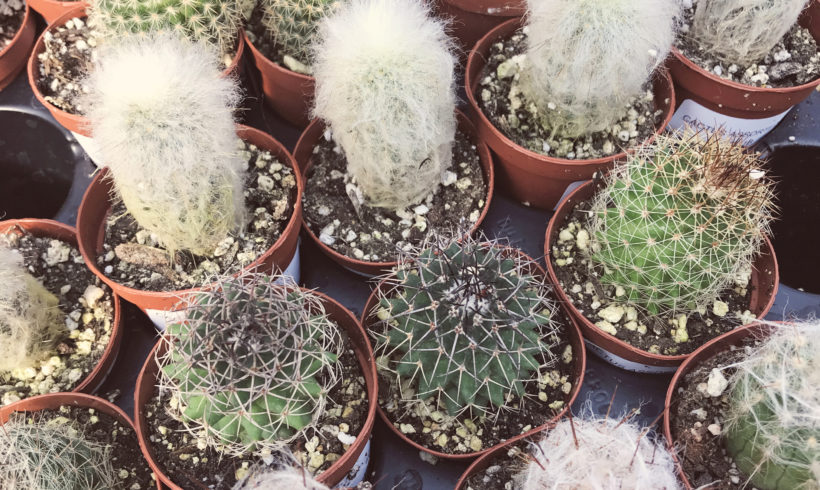
    OOoo Succulents! How we love thee!

    [/cmsms_text][/cmsms_column][cmsms_column data_width=”1/2″][cmsms_image align=”center” animation_delay=”0″]6404|https://www.bgi-usa.com/wp-content/uploads/Reppin-BGI-2-300×300.jpg|medium[/cmsms_image][cmsms_text animation_delay=”0″]

    Devan poking around the RS Walsh “In the Garden” Garden Center

    [/cmsms_text][/cmsms_column][/cmsms_row][cmsms_row data_padding_bottom=”0″ data_padding_top=”0″ data_color=”default” data_width=”boxed”][cmsms_column data_width=”1/2″][cmsms_image align=”center” animation_delay=”0″]6405|https://www.bgi-usa.com/wp-content/uploads/Reppin-BGI-3-300×300.jpg|medium[/cmsms_image][cmsms_text animation_delay=”0″]

    Me, too excited about our plant selection from MRT Lawn & Garden Center

    [/cmsms_text][/cmsms_column][cmsms_column data_width=”1/2″][cmsms_image align=”center” animation_delay=”0″]6403|https://www.bgi-usa.com/wp-content/uploads/Fun-Out-Shopping-3-300×300.jpg|medium[/cmsms_image][cmsms_text animation_delay=”0″]

    Lane, at Home Depot picking what will be the stars of our garden – Crotons & Hibiscus! 

    [/cmsms_text][/cmsms_column][/cmsms_row][cmsms_row data_width=”boxed” data_color=”default” data_padding_top=”0″ data_padding_bottom=”0″][cmsms_column data_width=”1/1″][cmsms_text animation_delay=”0″]

    We ended our trip with wood for the raised bed, wood stain and rollers to paint, outdoor all-purpose spray paint for our parking blocks (they were a little dull!), a few bags of pine mulch (to fill around the raised bed), two types of croton (each 2 gallon), one 2 gallon yellow hibiscus, two 2 gallon mandevillas, two 6″ pots of maiden grass, one 6″ purple queen, and our wildcard, a 2 gallon Tropicanna Canna Lily.

    Luckily this transformation project took place in front of our warehouse, where we had plenty of the BGI Select Quick Draining Soil on hand! In total we used 12 bags, or 12 cubic feet to fill the raised garden once it was constructed.

    [/cmsms_text][cmsms_heading type=”h3″ font_weight=”400″ font_style=”normal” text_align=”center” target=”self” margin_top=”0″ margin_bottom=”20″ animation_delay=”0″]Step Two: Watch Out, We’re Using Power Tools[/cmsms_heading][/cmsms_column][/cmsms_row][cmsms_row data_width=”boxed” data_color=”default” data_padding_top=”0″ data_padding_bottom=”10″][cmsms_column data_width=”1/2″][cmsms_text animation_delay=”0″]

    Thanks to the measurements we took before our outing, we had any cuts needed on the wood made at our local Home Depot prior to purchase. When we arrived back at the office, all that was left for us was to stain the wood, place the wood, and screw them together! Staining both took time to finish and time to dry, so we left our wood to set for a few days before we got back to constructing our raised bed.

    We used 4″ screws, a cordless drill, and some sweat & tears because maybe we weren’t 100% sure what we were doing here, but alas, it came together beautifully!


    [/cmsms_text][/cmsms_column][cmsms_column data_width=”1/2″][cmsms_gallery layout=”slider” image_size_slider=”medium” slider_effect=”slide” slider_autoplay=”true” slider_slideshow_speed=”7″ slider_animation_speed=”600″ slider_pause_on_hover=”true” slider_rewind=”true” slider_rewind_speed=”1000″ slider_nav_control=”true” animation_delay=”0″]6411|https://www.bgi-usa.com/wp-content/uploads/Fun-Painting-200×200.jpg,6417|https://www.bgi-usa.com/wp-content/uploads/Fun-Painting-3-200×200.jpg,6410|https://www.bgi-usa.com/wp-content/uploads/Fun-Painting-4-200×200.jpg,6409|https://www.bgi-usa.com/wp-content/uploads/Fun-Painting-2-200×200.jpg[/cmsms_gallery][/cmsms_column][/cmsms_row][cmsms_row data_width=”boxed” data_color=”default” data_padding_top=”0″ data_padding_bottom=”10″][cmsms_column data_width=”1/1″][cmsms_heading type=”h3″ font_weight=”400″ font_style=”normal” text_align=”center” target=”self” margin_top=”0″ margin_bottom=”20″ animation_delay=”0″]Step Three: Let’s Put This Thing Together[/cmsms_heading][cmsms_image align=”left” animation_delay=”0″]6412|https://www.bgi-usa.com/wp-content/uploads/The-Project.Improve-This-Ugly-Spot-2-300×300.jpg|medium[/cmsms_image][cmsms_text animation_delay=”0″]

    With the space cleared, bed built, soil ready to go, and plants unloaded from the car – it was time to finish this bad boy.

    After several layers of soil were down, we decided to start placing the plants, leaving about 2 bags of soil left over to to cover any exposed root balls or fill in additional space. When the plants were arranged just so, we moved on to staging the rest of the area; mulching (for decoration more than anything) and refreshing our parking blocks.

    By the way, have you ever tried to move a parking block? They’re heavy. But after a fresh coat of paint and a cumbersome rearrangement, it was all coming together.


    [/cmsms_text][/cmsms_column][/cmsms_row][cmsms_row data_width=”boxed” data_padding_left=”3″ data_padding_right=”3″ data_color=”default” data_bg_color=”#ffffff” data_bg_position=”top center” data_bg_repeat=”no-repeat” data_bg_attachment=”scroll” data_bg_size=”cover” data_bg_parallax_ratio=”0.5″ data_color_overlay=”#000000″ data_overlay_opacity=”50″ data_padding_top=”0″ data_padding_bottom=”50″][cmsms_column data_width=”1/2″][cmsms_heading type=”h4″ font_weight=”400″ font_style=”normal” text_align=”center” target=”self” margin_top=”0″ margin_bottom=”20″ animation_delay=”0″]June 2018 “The Finished Product”[/cmsms_heading][cmsms_image align=”center” link=”https://www.bgi-usa.com/wp-content/uploads/The-Project.Improve-This-Ugly-Spot-3.jpg” animation_delay=”0″]6421|https://www.bgi-usa.com/wp-content/uploads/The-Project.Improve-This-Ugly-Spot-3.jpg|full[/cmsms_image][/cmsms_column][cmsms_column data_width=”1/2″][cmsms_heading type=”h4″ font_weight=”400″ font_style=”normal” text_align=”center” target=”self” margin_top=”0″ margin_bottom=”20″ animation_delay=”0″]September 2018 “Garden Update!”[/cmsms_heading][cmsms_gallery layout=”slider” image_size_slider=”full” slider_effect=”slide” slider_autoplay=”true” slider_slideshow_speed=”4″ slider_animation_speed=”600″ slider_pause_on_hover=”true” slider_rewind=”true” slider_rewind_speed=”1000″ slider_nav_control=”true” animation_delay=”0″]6432|https://www.bgi-usa.com/wp-content/uploads/Plants-Doing-Well-5-200×200.jpg,6431|https://www.bgi-usa.com/wp-content/uploads/Plants-Doing-Well-4-200×200.jpg,6430|https://www.bgi-usa.com/wp-content/uploads/Plants-Doing-Well-3-200×200.jpg,6429|https://www.bgi-usa.com/wp-content/uploads/Plants-Doing-Well-2-200×200.jpg,6428|https://www.bgi-usa.com/wp-content/uploads/Plants-Doing-Well-1-200×200.jpg[/cmsms_gallery][/cmsms_column][/cmsms_row]

  • Why Does All The Good Stuff Cost More?

    Why Does All The Good Stuff Cost More?

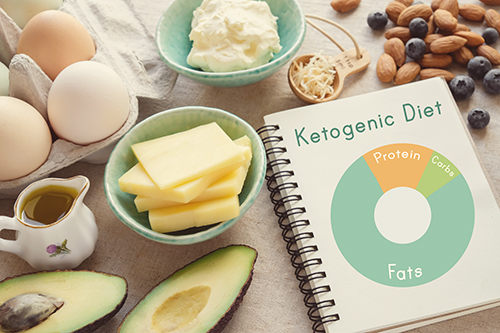
    [cmsms_row data_padding_bottom=”50″ data_padding_top=”0″ data_overlay_opacity=”50″ data_color_overlay=”#000000″ data_bg_parallax_ratio=”0.5″ data_bg_size=”cover” data_bg_attachment=”scroll” data_bg_repeat=”no-repeat” data_bg_position=”top center” data_bg_color=”#ffffff” data_color=”default” data_padding_right=”3″ data_padding_left=”3″ data_width=”boxed”][cmsms_column data_width=”1/1″][cmsms_heading type=”h4″ font_weight=”400″ font_style=”normal” text_align=”default” target=”self” margin_top=”0″ margin_bottom=”20″ animation_delay=”0″]I recently started the Keto diet. It’s not new, but certainly not mainstream. [/cmsms_heading][cmsms_image align=”left” animation_delay=”0″]6381|https://www.bgi-usa.com/wp-content/uploads/shutterstock_725641921-300×300.jpg|medium[/cmsms_image][cmsms_text animation_delay=”0″]

    As I began my path on this journey I learned A LOT about the foods we eat.  There are soooo many bad things in processed foods.  This isn’t really a revelation.  I feel like this is the truth we purposefully overlook while shopping or snacking during our favorite TV show.  We know whats good and whats bad for us.  If we just keep the blinders on we don’t have to think about it while we are doing it. While I was doing all of this research to find out what is recommended and what will be the healthiest it became clear that “cheap = bad”, especially where food is concerned.

    This got me thinking about all the other areas in my life.  And I realized there is something else that needs to be considered.  Cheap and inexpensive are NOT the same thing.  VALUE is part of the equation!  So what do I mean by that?  Simply that something that is “cheaper” may actually cost more in the long run.  A less expensive purchase that won’t cost you more in the future also has value. Conversely expensive doesn’t mean value either. It’s more about what you are getting for your dollar rather than the cost of the item in comparison to other similar items.

    [/cmsms_text][cmsms_image align=”right” animation_delay=”0″]6378|https://www.bgi-usa.com/wp-content/uploads/shutterstock_417495607-300×300.jpg|medium[/cmsms_image][cmsms_text animation_delay=”0″]

    Let’s take a pair of jeans, for example.  When I was young, it was all the rage to have designer jeans. I am not saying all jeans are made the same, but the value in a pair of jeans isn’t the name unless the name is synonymous with staying in one piece longer than any other pair of jeans.  So although a socially acceptable pair of jeans cost $35, it didn’t make them last any longer than a pair of jeans that cost $15. On the flip side, a pair of jeans for $10 that you bought at the discount store might not hold up to the washing machine and therefore is no longer a value, because you have to replace them too quickly.

    The VALUE comes from the benefits to making the purchase. I’ll elaborate.  As I create my new shopping lists for my Keto diet I am compelled to buy a more expensive selection of groceries.  (Thank goodness I’m eating less in general) My meats need to be grass fed or pasture raised. This is because the meat most of us buy at the grocery store is crammed full of grains (which you don’t eat on a Keto diet) prior to its trip the slaughterhouse (not to mention all kinds of antibiotics and so many more things that I don’t have time to discuss!).  This is done so that the farmer can make more money for one cow.  If they fatten it up with grains there is simply more meat to sell at market.  So while being less expensive than the meats I need to be consuming now, that grain fed pound of ground meat WILL COST ME in the long run because my healthcare costs are going to skyrocket when my Type 2 Diabetes takes over my poorly fed body.  Then I will be a burden on my community because I can’t afford health insurance to care for my body because my health care costs will increase because I am sick and can’t find insurance at a reasonable price anymore, then I will have to go to the emergency room because I don’t have a primary care physician.

    [/cmsms_text][cmsms_image align=”left” animation_delay=”0″]6380|https://www.bgi-usa.com/wp-content/uploads/shutterstock_576566788-300×300.jpg|medium[/cmsms_image][cmsms_text animation_delay=”0″]

    I realize that was a bouncing ball, I think you get my drift.  The VALUE is in spending perhaps a little more at the onset to save a bunch in the future.

    In every place there will be choices to make sometimes there is a cheaper version available but it may not be made well or may not need to be replaced more often doubling the cost.  Sometimes you could buy something because socially it’s the “it” or “in” thing to buy, but you could have made a better choice with your money and found something that works as well or better without all the extra expense.

    QUALITY is important. Buy from someone who cares about what they do, not about making money.

    Until next time, I wish you all the best!

    [/cmsms_text][/cmsms_column][/cmsms_row]

  • Let’s Talk Squash

    Let’s Talk Squash

    [cmsms_row data_width=”boxed” data_padding_left=”3″ data_padding_right=”3″ data_color=”default” data_bg_color=”#ffffff” data_bg_position=”top center” data_bg_repeat=”no-repeat” data_bg_attachment=”scroll” data_bg_size=”cover” data_bg_parallax_ratio=”0.5″ data_color_overlay=”#000000″ data_overlay_opacity=”50″ data_padding_top=”0″ data_padding_bottom=”50″][cmsms_column data_width=”1/1″][cmsms_heading type=”h1″ font_weight=”400″ font_style=”normal” text_align=”default” target=”self” margin_top=”0″ margin_bottom=”20″ animation_delay=”0″]Squash[/cmsms_heading][cmsms_heading type=”h4″ font_weight=”400″ font_style=”normal” text_align=”default” target=”self” margin_top=”0″ margin_bottom=”20″ animation_delay=”0″]Now, I’m not talking about that ball game nonsense, people running around in those little shorts and such.[/cmsms_heading][cmsms_image align=”left” animation_delay=”0″]6364|https://www.bgi-usa.com/wp-content/uploads/shutterstock_681308011-1-300×300.jpg|medium[/cmsms_image][cmsms_text animation_delay=”0″]

    As lovely as that sounds, believe me I know, I want to talk to you about gourds. Pumpkins, cucumbers, melons, and squash are scrumptious examples of the gourds I speak of. Though, for the purpose of this blog, let’s limit our conversation to just the squash.

    First, some backstory: My father, bless his heart, is a wonderful and extremely talented man. If you ask, he can fix anything you put in front of him; unless you ask him to fix you dinner. Unfortunately, life has a way of throwing challenges at you, and being a single parent, you do what you must do. For most of my life, 5 out of 7 days a week, Dad provided a nutritious dinner of frozen pizza and boiled squash. That’s right, boiled squash. Squash so boiled all the color had been cooked away. Squash so boiled it looked like the gruel Oliver Twist got in that orphanage; only you never caught me saying, “please sir, may I have some more?”

    [/cmsms_text][cmsms_image align=”right” animation_delay=”0″]6365|https://www.bgi-usa.com/wp-content/uploads/shutterstock_700354633-300×300.jpg|medium[/cmsms_image][cmsms_text animation_delay=”0″]

    Into my adulthood, the traumatic memories of that lifeless and flavorless squash haunted my dreams. That is, until I started to garden. Summer Squash was one of the first seedlings that I received from one of my well-meaning neighbors. Apparently, they had grown them in the neighborhood for years, and this was some sort of tradition. Not being one to monkey with tradition, I promptly planted the seedlings in my new garden along with my other carefully planned and planted vegetable selection.

    As the weeks went by, and while everything else had started to grow, the squash appeared…well, pretty sad. Perhaps it had been a lack of attention, we’ll say, paid towards that section of the garden that dampened their growth (I’ll never admit it), but I became resolved not to let those suckers die!

    I had previously used several of BGI’s plant foods before to help nourish the growth of my green babies, so I immediately thought of our products to help my suffering squash. Grow & Gain seemed to be the best fit, being an all-purpose liquid fertilizer particularly formulated for use on all types of indoor and outdoor plants, especially fruits & veggies! Grow & Gain has all these awesome chelated micronutrients and organic acids that help keep all the important and sustaining nutrients in the plant, so I knew that this would bring those babies back to life! It came in a premixed spray bottle that was so easy to use too! What more could I have asked for?

    [/cmsms_text][cmsms_image align=”left” animation_delay=”0″]6366|https://www.bgi-usa.com/wp-content/uploads/shutterstock_1065846221-300×300.jpg|medium[/cmsms_image][cmsms_text animation_delay=”0″]

    As luck (ok, science) would have it, with a regular fertilizer program using the Grow & Gain and maybe a little more positivity from me, my squash took off! My gourds were the size of school books before I knew it!

    After investing so much personal time in the growth of that silly squash, eating it actually started to sound pretty appealing. The squash itself looked like little suns, the color so crisp and yellow. Already shining through the dark cloud that was my nightmares of squashes past. A quick chop, and sauté later, and…WOW! Everything about this squash was great! Tasting the actual squash really makes a difference and having the satisfaction of knowing I grew it made it even better. What are you waiting for? Get out there and plant those squash!

    [/cmsms_text][/cmsms_column][/cmsms_row]

  • The Dirt on Organic Fertilizers

    The Dirt on Organic Fertilizers

    [cmsms_row data_padding_bottom=”50″ data_padding_top=”0″ data_overlay_opacity=”50″ data_color_overlay=”#000000″ data_bg_parallax_ratio=”0.5″ data_bg_size=”cover” data_bg_attachment=”scroll” data_bg_repeat=”no-repeat” data_bg_position=”top center” data_bg_color=”#ffffff” data_color=”default” data_padding_right=”3″ data_padding_left=”3″ data_width=”boxed”][cmsms_column data_width=”1/1″][cmsms_text animation_delay=”0″]

    A note from the author, Tom Scannell: Over my next several blogs I would like to introduce some questions and some answers in the ever-evolving quest for cleaner food, a cleaner environment, higher nutritional values and economic cost. I have grown commercial crops for over 36 years. I was raised in the farming world but love the concept of organic as it pertains to humane treatment, nutritional value, clean food and clean environment. However, “organic” may not be all its branded and marketed to be.

    [/cmsms_text]

    [cmsms_divider type=”transparent” margin_top=”10″ margin_bottom=”10″ animation_delay=”0″]

    [cmsms_image align=”left” animation_delay=”0″]50578|https://www.bgi-usa.com/wp-content/uploads/the-dirt-on-organic-fert-story-1-300×300.jpg|medium[/cmsms_image][cmsms_text animation_delay=”0″]

    The following is a brief list of points that separate the hype from the fact when discussing organic vs. inorganic fertilizers.

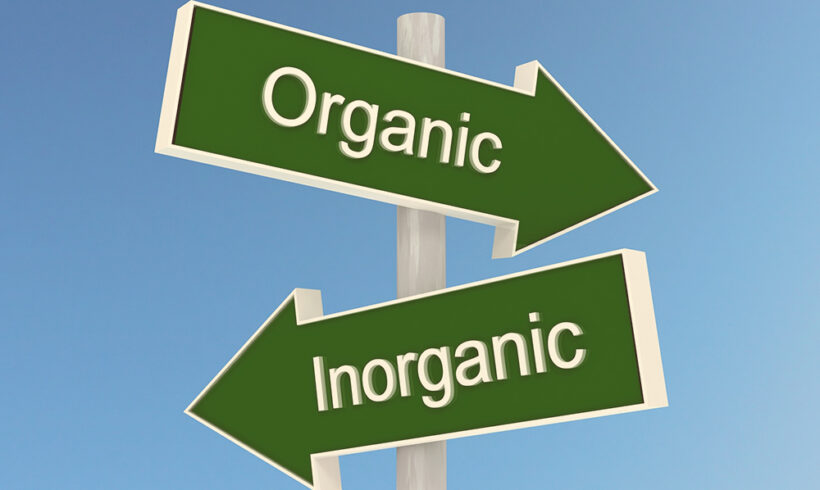
    01. First and maybe foremost, a nutrient is a nutrient is a nutrient. Plants do not differentiate organic from inorganic fertilizers.

    The fact is; organic fertilizers must be “mineralized” or broken down into inorganic forms in the soil before the plants can assimilate (take up) the nutrients. Oh dear; plants only take up nutrients in inorganic from? Seriously.

    02. By definition:
    • Organic Fertilizer – A soil amendment that contains carbon. E.g. Bone meal, cow manure, and kelp.

    [/cmsms_text][cmsms_text animation_delay=”0″]

    • Inorganic Fertilizer – A soil amendment that does not contain carbon. It is derived from naturally occurring (albeit not “organic”) minerals like Sulfur, Phosphorus and Calcium.Organic marketing authors often impregnate duplicity in their adjective when describing inorganic fertilizers:
    • “Synthetic fertilizers”: Implies false or fake. Nothing could be further from the truth.
    • “Chemical fertilizers”: All fertilizers are chemical. It does not matter if they contain carbon, “organic” or not.
    03. Pitfalls of Organic:

    [/cmsms_text][cmsms_image align=”right” animation_delay=”0″]50580|https://www.bgi-usa.com/wp-content/uploads/the-dirt-on-organic-fert-story-3-300×300.jpg|medium[/cmsms_image][cmsms_text animation_delay=”0″]

    • Not immediately available – must be broken down into inorganic form before it is available to the plant.
    • If the soil is too cold (>50° F), microbes will not be active and will not break down the nutrients.
    • If soil moisture is insufficient, microbes will not be active and will not break down the nutrients.
    • Low NPK ratios (1-1-1) make higher volume applications necessary to attain proper fertility levels.
    • Cost per pound is prohibitive when compared to mineral fertilizers.
    • Organic programs almost always must be supplemented with other products to attain adequate macros and minors.

    [/cmsms_text][cmsms_text animation_delay=”0″]

    • Seedlings, fast growing plants and specific plant needs and/or deficiencies require corrective action and colder soil conditions. Organic fertilizers in these situations perform poorly.
    • Over application of phosphorus is common in organic applications, because nutrient leaves are closer to 1-1-1, you’re either going to have inadequate Nitrogen or excess Phosphorus.
    04. Advantages of Inorganic:
    • Nutrients are readily available for plant uptake because they are in the right form.
    • With Species Specific blends, NPK ratios are calculated for exact needs of the plant which – which means your plants are getting the right amount and nutrient runoff is reduced.
    • Cost Per Pound of the actual nutrients is a fraction of organic cost.
    • Can be formulated with lower solubility products for slower release if desired (affected by water), can also be formulated with controlled-release coatings for slower, long term release (affected by temperature)
    05. Marketing is all about perception, right? And the fertilizer industry has done a masterful job of hustling the organic story…

    [/cmsms_text][cmsms_quotes mode=”grid” columns=”1″ animation_delay=”0″][cmsms_quote name=”Christie Wilcox” subtitle=”Scientific American Magazine”]

    Ten years ago, ‘Certified Organic’ didn’t exist in the United States. Yet in 2010, a mere eight years after USDA’s regulations officially went into effect, organic foods and beverages made $26.7 billion. In the past year or two, certified organic sales have jumped to about $52 billion worldwide despite the fact that organic foods cost up to three times as much as those produced by conventional methods.

    [/cmsms_quote][/cmsms_quotes][cmsms_text animation_delay=”0″]

    • Despite consumer perceptions, there is not consistent data that food grown with organic fertilizers are superior in nutrient content.
    • Despite consumer perceptions, there is consistent data pointing to increased nutrient leachate when only organic fertilizer is used.

    [/cmsms_text][cmsms_image align=”left” animation_delay=”0″]50579|https://www.bgi-usa.com/wp-content/uploads/the-dirt-on-organic-fert-story-2-300×300.jpg|medium[/cmsms_image][cmsms_text animation_delay=”0″]

    • Researches at the University of Michigan and Cornell University conducted a consumer rating of perceived values of organic vs. inorganic foods. According to the researches, the “halo-effect” occurred. That is, consumers attribute “organic” with everything in the food product to be better. Participants believed the organic products had tasted lower in fat, tasted higher in fiber, lower in calories and more nutritious. None of this was the case however. Oh dear! (‘When good deeds leave a bad taste: Negative inferences from ethical food claims.’ Jonathon P. Schuldt, Cornell University)

    As a farmer, I understand organic fertilizers are expensive, relatively inefficient, not readily available, and cannot overcome major deficiencies while inorganic fertilizers…can. Our goal is to help you create beauty and joy in the landscape. We want you to see maximum visual results, at an economic cost, and protect the environment all at the same time.

    • Save money
    • Get results
    • Protect the environment
    • Go BGI!

    Take care,

    [/cmsms_text][cmsms_image align=”left” animation_delay=”0″]5858|https://www.bgi-usa.com/wp-content/uploads/Tom-Scannell-blog-sig-small.png|full[/cmsms_image][/cmsms_column][/cmsms_row]
  • A Quick Drill Down on Organics

    A Quick Drill Down on Organics

    [cmsms_row data_padding_bottom=”50″ data_padding_top=”0″ data_overlay_opacity=”50″ data_color_overlay=”#000000″ data_bg_parallax_ratio=”0.5″ data_bg_size=”cover” data_bg_attachment=”scroll” data_bg_repeat=”no-repeat” data_bg_position=”top center” data_bg_color=”#ffffff” data_color=”default” data_padding_right=”3″ data_padding_left=”3″ data_width=”boxed”][cmsms_column data_width=”1/1″][cmsms_image align=”left” animation_delay=”0″]5894|https://www.bgi-usa.com/wp-content/uploads/Blog-organic-drill-down-body-image3-300×300.png|medium[/cmsms_image][cmsms_text animation_delay=”0″]

    There are many benefits of incorporating organic fertilizers into your agronomic, horticultural or residential landscape fertility program. Increased organic matter, improved soil structure and tilth, greater water holding capacity, slow release of nutrients, i.e. prevent leaching and increased cation exchange capacity. Organic fertilizers stimulate microbial and biological life of the soil and provide essential micronutrients.

    There is no question these benefits are wonderful. However, typically the guaranteed analysis of nutrients when compared to inorganic fertilizers is very low. If comparing actual nutrients per dollar purchased, organics can become cost prohibitive, since much larger quantities must be applied per acre.

    Typically, organic products have nutrient levels near a 1:1:1 N, P, K ratio. So, it also becomes impossible to supply adequate Nitrogen without over application of Phosphorus.

    [/cmsms_text][cmsms_image align=”right” animation_delay=”0″]5893|https://www.bgi-usa.com/wp-content/uploads/Blog-organic-drill-down-body-image2-300×300.png|medium[/cmsms_image][cmsms_text animation_delay=”0″]

    Furthermore, it becomes problematic if your soil test comes back with other than a 1:1:1 ratio recommendation to supply adequate nutrients. If you need to supply one or two nutrients, due to chlorosis or fruit drop, organic sources cannot do that. More important organic sourced fertilizers must first be broken down into an available form before nutrients can be absorbed. They are not immediately available.

    Plants can only absorb nutrients in certain forms. Nitrogen is absorbed by the plant in ammonium (NH4+) or nitrate (NO3) forms only. Inorganic fertilizers can provide this nutrient form in exact amounts and become immediately available. Organic fertilizers must first be broken down or mineralized before they become available. Plants cannot distinguish between organic and inorganic nutrient sources.

    [/cmsms_text][cmsms_image align=”left” animation_delay=”0″]5892|https://www.bgi-usa.com/wp-content/uploads/Blog-organic-drill-down-body-image1-300×300.png|medium[/cmsms_image][cmsms_text animation_delay=”0″]

    Then there is the question of nutritional value of the plant. Despite consumer perception, there is not consistent scientific data demonstrating organic sources are superior to inorganic ones.

    Organic fertilizers offer many benefits. Inorganic fertilizers do as well. The definition of “organic” in mainstream keeps getting wider and wider. It is a huge marketing strategy that often appeals to our humanity and goodwill. Inorganic fertilizer can be just as natural as organic, provide immediate nutrients in the right amounts, economically.

    What’s the right program? Like Forrest said to Jenny; “I think maybe it’s both.”

    Take care,

    [/cmsms_text][cmsms_image align=”left” animation_delay=”0″]5858|https://www.bgi-usa.com/wp-content/uploads/Tom-Scannell-blog-sig-small.png|full[/cmsms_image][/cmsms_column][/cmsms_row]

  • Simple Indicators of Orchid Health

    Simple Indicators of Orchid Health

    [cmsms_row data_padding_bottom=”50″ data_padding_top=”0″ data_overlay_opacity=”50″ data_color_overlay=”#000000″ data_bg_parallax_ratio=”0.5″ data_bg_size=”cover” data_bg_attachment=”scroll” data_bg_repeat=”no-repeat” data_bg_position=”top center” data_bg_color=”#ffffff” data_color=”default” data_padding_right=”3″ data_padding_left=”3″ data_width=”boxed”][cmsms_column data_width=”1/1″][cmsms_image align=”left” animation_delay=”0″]6190|https://www.bgi-usa.com/wp-content/uploads/Simple-Indicators-of-Orchid-Health-pic-2-300×300.png|medium[/cmsms_image][cmsms_text animation_delay=”0″]

    We are all after magnificent, showy, vigorous, healthy plants!

    Here are a few signs that your orchids are happy with your care:
    • They don’t get hungry. Stay on schedule with your applications. They don’t need a lot, but they do need food. A water-soluble formula is preferred, especially one designed for orchids, like Orchidgain. You will see an improvement in growth and vigor!
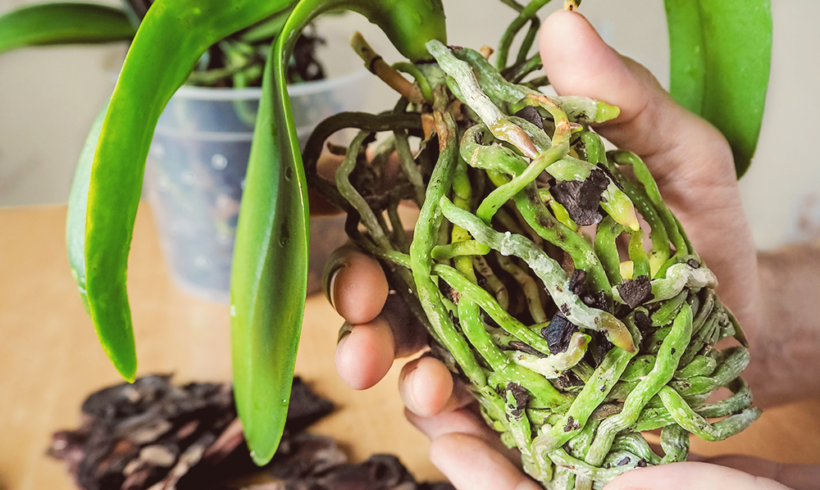
    • Roots are healthy, vigorously growing & dense. You should be able to pick up your plant by the top and it should hold onto the pot. Healthy roots are a key to success!

    [/cmsms_text][cmsms_image align=”right” animation_delay=”0″]6191|https://www.bgi-usa.com/wp-content/uploads/Simple-Indicators-of-Orchid-Health-pic-3-300×300.png|medium[/cmsms_image][cmsms_text animation_delay=”0″]

    • Leaves are erect or turgid and thick. If your orchid leaves appear dehydrated, you either have root disease or need to increase watering frequency.
    • Multiple bloom spikes indicate that you have done a tremendous job in providing all the needs of your plants. These buds are the goal and require a lot of energy by the plant. Multiple buds deserve an A+!
    • No insect or disease If this is the case, bravo in meeting the cultural needs of your orchid! Air movement is adequate, nutrition must be excellent, and if growth is vigorous, your plant can better withstand the pressure of various pests and diseases.
    • New growth. New vigorous growths, whether leaves, pseudobulbs, roots or canes are an excellent sign that your orchid is happy!

    [/cmsms_text][cmsms_image align=”left” animation_delay=”0″]6189|https://www.bgi-usa.com/wp-content/uploads/Simple-Indicators-of-Orchid-Health-pic-1-300×300.png|medium[/cmsms_image][cmsms_text animation_delay=”0″]

    Remember, plants don’t have an immune system that can fight off bacteria and disease. Proper nutrition, vigorous growth, and correct cultural practices are your best line of defense.

    Best of luck!

    [/cmsms_text][cmsms_image align=”left” animation_delay=”0″]5858|https://www.bgi-usa.com/wp-content/uploads/Tom-Scannell-blog-sig-small.png|full[/cmsms_image][/cmsms_column][/cmsms_row]