Category: Tomato

  • The Fruit That Took Over the World

    The Fruit That Took Over the World

    [cmsms_row data_width=”boxed” data_padding_left=”3″ data_padding_right=”3″ data_color=”default” data_bg_color=”#ffffff” data_bg_position=”top center” data_bg_repeat=”no-repeat” data_bg_attachment=”scroll” data_bg_size=”cover” data_bg_parallax_ratio=”0.5″ data_color_overlay=”#000000″ data_overlay_opacity=”50″ data_padding_top=”0″ data_padding_bottom=”50″][cmsms_column data_width=”1/1″][cmsms_image align=”left” animation_delay=”0″]6825|https://www.bgi-usa.com/wp-content/uploads/Tomatoes-4-300×300.jpg|medium[/cmsms_image][cmsms_text animation_delay=”0″]

    That’s right; we’re talking tomatoes. Tomatoes have become a global phenomenon in a relatively short amount of time. They’re in everything! Ketchup, marinara, bolognese, salsa, and much more. We also love eating tomatoes on sandwiches, burgers, tacos, pizzas, and even just a slice with a little salt on it. Tomatoes are a global phenomena. But, they can be a fickle mistress in the garden. So, we’re here to shine a light on best practices for growing the best and juiciest tomatoes you can.

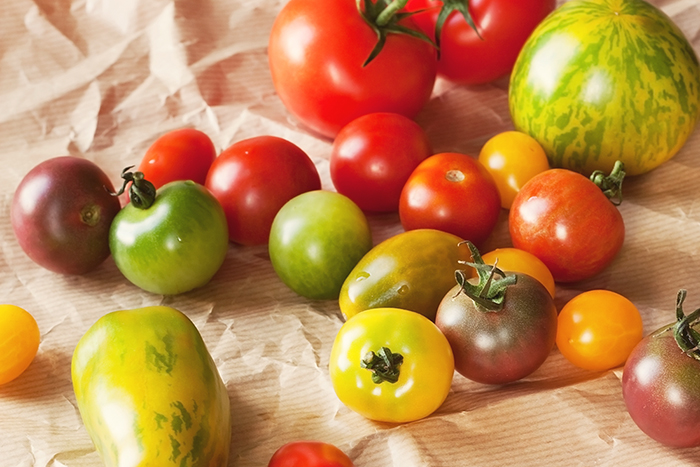
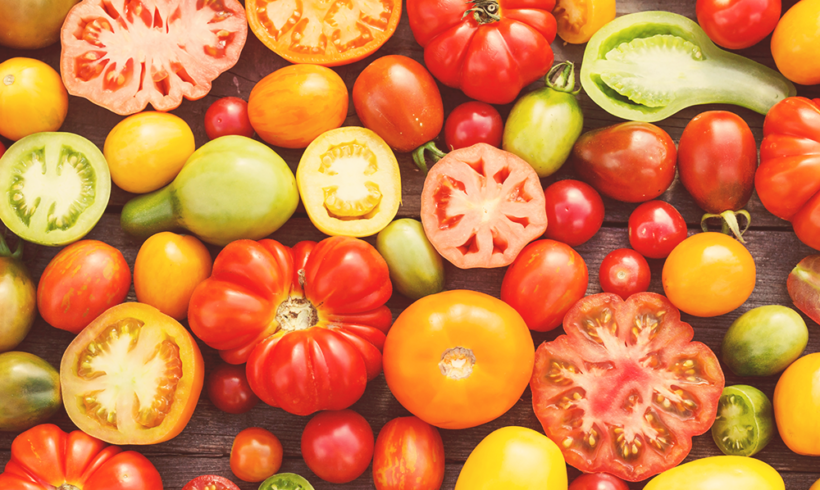
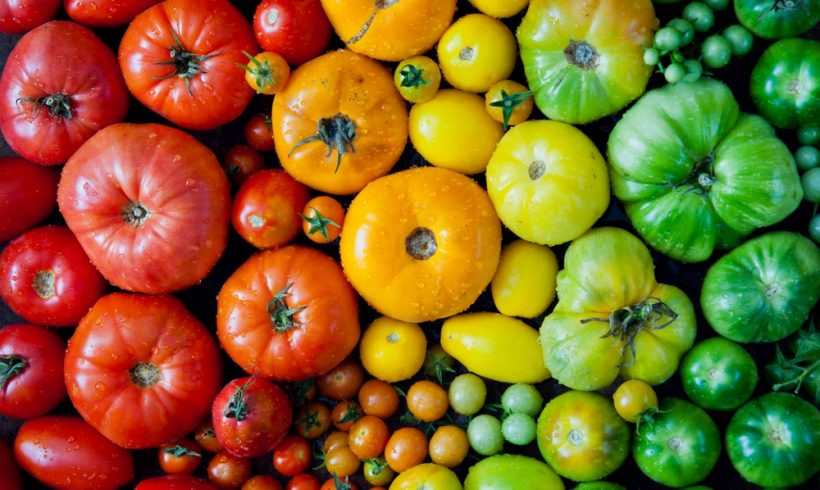
    First, let’s look at varieties. There are many different kinds of tomatoes such as heirloom, cherry, grape, beefsteak, Brandywine, big boy, cocktail, Roma, and tomatoes on the vine, to name a few. And, they come in all different colors from white to purple, red, yellow, green, and even stripes. Each of these types of tomato has its own unique flavor profile and use in an enormous list of recipes and family dishes. But, where to begin when it comes to growing them? Well, it helps to have a little background information.

    [/cmsms_text][cmsms_heading type=”h4″ font_weight=”400″ font_style=”normal” text_align=”default” target=”self” margin_top=”0″ margin_bottom=”20″ animation_delay=”0″]Determinate vs. Indeterminate[/cmsms_heading][cmsms_text animation_delay=”0″]

    There are so many different varieties of tomatoes, but what matters is the type of plant you’re buying and how they grow throughout the season.

    [/cmsms_text][cmsms_image align=”right” animation_delay=”0″]6827|https://www.bgi-usa.com/wp-content/uploads/Tomatoes-2-300×300.jpg|medium[/cmsms_image][cmsms_text animation_delay=”0″]

    There are what are called determinate tomatoes, which bloom and set fruit all at once and then decline. Their blossoms grow at the ends of shoots. These plants then stop growing and are usually compact plants that require no pruning and little staking. One exception to this rule is what we call, “vigorous” determinants, which produce such large fruit that they need support, like a trellis or fence.

    Another type of plant is called, you may have guessed, indeterminate tomatoes. These are the vines that are in for the whole summer. They continue to grow and to produce tomatoes throughout the growing season because the flowers grow along the vines rather than at the ends. Since they don’t come to a determined point but grow until stopped by cold weather or a pair of clippers (hence their name), they, too, generally need to be supported or pruned regularly.

    [/cmsms_text][cmsms_heading type=”h4″ font_weight=”400″ font_style=”normal” text_align=”default” target=”self” margin_top=”0″ margin_bottom=”20″ animation_delay=”0″]The Six Degrees of Tomato Care[/cmsms_heading][cmsms_image align=”left” animation_delay=”0″]6185|https://www.bgi-usa.com/wp-content/uploads/The-Quest-for-Flavorful-Tomatoes-pic-300×300.png|medium[/cmsms_image][cmsms_text animation_delay=”0″]

    The major difference between these types of plants is going to be growing time and, therefore nutrition requirements. As a vine-ripened fruit, all tomatoes require high levels of nutrients. Different varieties grow best in various climates. There are six requirements for growing tomatoes, and the first of course is sunlight. Tomatoes require a minimum of eight hours of sunlight a day. Secondly, they need three to four months of fairly consistent temperatures (between 55 and 75 degrees Fahrenheit), and they prefer a relatively dry season. Third, tomatoes prefer even and continuous watering. The soil should be kept moist, meaning not too wet or too dry. If you’re experiencing particularly dry weather, it’s recommended that you deep water them at least once a week.

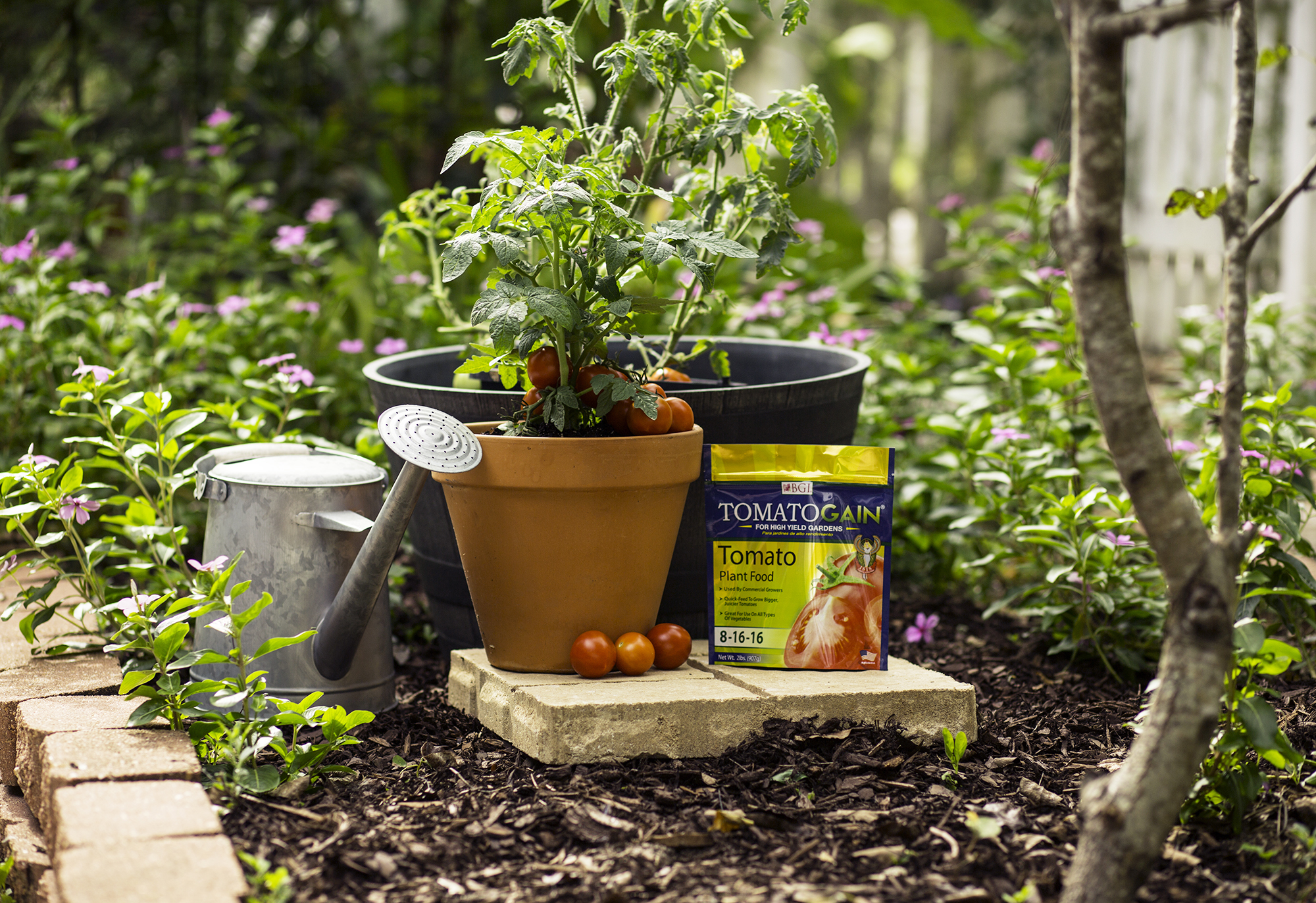
    The fourth requirement is continuous feeding. As previously stated, tomatoes need a LOT of nutrients to produce their best. For this we recommend our Tomatogain. Tomatogain is specifically formulated to give your plants all the nutrients they require including slow-release nitrogen, so the plant is not overwhelmed. Number five on the list is drainage. Tomatoes like loose, well-drained soil so that moisture and nutrients can travel freely, and the plant’s growth is not restricted. We recommend a sandy loam for early tomatoes such as determinate varieties and a clay loam for indeterminate varieties which are late growers.

    [/cmsms_text][cmsms_image align=”right” animation_delay=”0″]6828|https://www.bgi-usa.com/wp-content/uploads/Tomatoes-1-300×300.jpg|medium[/cmsms_image][cmsms_text animation_delay=”0″]

    The sixth and final requirement on the list is protecting the leaves and roots. Protecting the leaves from extreme temperature changes can be difficult; however, to avoid this, tomatoes can be successfully grown indoors in either a garden box or hydroponically. In a hydroponic setup, you can regulate the temperature, hours of UV exposure, and nutrient flow far better than growing in a garden.

    No matter where decide to plant your tomatoes, it is critical that the plant receives the necessary amount of nutrients, and, for that, we highly recommend that you employ Tomatogain. With Tomatogain, you can rest assured that your plants are getting the appropriate levels of nutrients in precise measurements. For the casual home-grower or the avid gardener, Tomatogain’s got what you need.

    Happy growing!

    [/cmsms_text][cmsms_image align=”left” animation_delay=”0″]6784|https://www.bgi-usa.com/wp-content/uploads/BGI-Blog-logo-300×91.png|medium[/cmsms_image][/cmsms_column][/cmsms_row]
  • The Quest for Flavorful Tomatoes

    The Quest for Flavorful Tomatoes

    [cmsms_row data_padding_bottom=”50″ data_padding_top=”0″ data_overlay_opacity=”50″ data_color_overlay=”#000000″ data_bg_parallax_ratio=”0.5″ data_bg_size=”cover” data_bg_attachment=”scroll” data_bg_repeat=”no-repeat” data_bg_position=”top center” data_bg_color=”#ffffff” data_color=”default” data_padding_right=”3″ data_padding_left=”3″ data_width=”boxed”][cmsms_column data_width=”1/1″][cmsms_image align=”left” animation_delay=”0″]6182|https://www.bgi-usa.com/wp-content/uploads/The-Quest-for-Flavorful-Tomatoes-pic-2-300×300.png|medium[/cmsms_image][cmsms_text animation_delay=”0″]

    One of the most popular vegetables in the home garden, as well as at the grocery store, are tomatoes. A lot of what I hear from homeowners is the newer commercial varieties have not considered taste in their breeding selection. While pest resistance, days to maturity and shelf life may be critical to growers, the bottom line to the homeowner and home gardener is taste – and rightly so!

    Tomato fertilization and soil fertility can play a significant role in not only flavorful but nutritious and high yielding tomato plants.

    Proper plant nutrition will always benefit tomato appearance and flavor, and the first step is a soil test. Your Extension service can provide information, analysis and recommendations.

    [/cmsms_text][cmsms_image align=”right” animation_delay=”0″]6181|https://www.bgi-usa.com/wp-content/uploads/The-Quest-for-Flavorful-Tomatoes-pic-1-300×300.png|medium[/cmsms_image][cmsms_text animation_delay=”0″]

    Regarding taste, human taste testers always find the best flavors associated with high acid content, high soluble solids or high sugar content.

    Numerous tomato fertility studies have looked at P (phosphorus) and K (potassium) levels and their effect on fruit. It turns out, when both P & K are provided in excess (150%) of typical needs or recommendations, fruit had better quality, color, texture and taste. It’s no wonder since the studies indicate more K produces higher acid content, and increased P boosts sugar content – the 2 attributes that make great tasting tomatoes! Adequate K also results in more uniform color and ripening!

    With regards to N (nitrogen), it is often a case of “too much of a good thing”, actually harming fruit flavor.

    Here at BGI, we formulated our Tomatogain based on generations of professional grower knowledge and state university research.

    [/cmsms_text][cmsms_image align=”left” animation_delay=”0″]6185|https://www.bgi-usa.com/wp-content/uploads/The-Quest-for-Flavorful-Tomatoes-pic-300×300.png|medium[/cmsms_image][cmsms_text animation_delay=”0″]

    If you notice our formula 8-16-16, it provides adequate nitrogen, but plentiful phosphorus and potassium. Tomatoes are voracious feeders. You want those nutrients available in sufficient amounts when the plant needs them.

    One other interesting environmental effect on tomatoes is light. Without full sun, sugar concentration will be reduced. That is why during the winter months in the northern states you have greenhouse grown tomatoes that are, personally speaking, horrible!

    While variety selection, growing conditions and degree of vine ripeness are large factors in tomato flavor, appearance and texture, adequate nutrition is equally important. Feed those hungry tomatoes with just the right stuff – Tomatogain 8-16-16 – and literally enjoy the (tasty) fruits of your knowledge & labor!

    Take care,

    [/cmsms_text][cmsms_image align=”left” animation_delay=”0″]5858|https://www.bgi-usa.com/wp-content/uploads/Tom-Scannell-blog-sig-small.png|full[/cmsms_image][/cmsms_column][/cmsms_row]
  • Selecting The Right Tomato Food

    Selecting The Right Tomato Food

    [cmsms_row data_width=”boxed” data_padding_left=”3″ data_padding_right=”3″ data_color=”default” data_bg_color=”#ffffff” data_bg_position=”top center” data_bg_repeat=”no-repeat” data_bg_attachment=”scroll” data_bg_size=”cover” data_bg_parallax_ratio=”0.5″ data_color_overlay=”#000000″ data_overlay_opacity=”50″ data_padding_top=”0″ data_padding_bottom=”50″][cmsms_column data_width=”1/1″][cmsms_image align=”left” animation_delay=”0″]5768|https://www.bgi-usa.com/wp-content/uploads/shutterstock_311331851-300×200.jpg|medium[/cmsms_image][cmsms_text animation_delay=”0″]

    There are many people that grow tomatoes as a hobby as well as a great way to provide healthy food for the table. Most of the tomato growers are very passionate about their plants and they spend time in researching the right varieties for their location and growing conditions.

    At BGI, we recognize and understand how tomato growers, even those with pots on their patio, quickly become fascinated and very enthusiastic about their crops. It is amazing to see the blooms, the first little tomatoes and finally enjoy a juicy, delicious slice of a tomato you have nurtured and grown on your own.

    [/cmsms_text][cmsms_heading type=”h3″ font_weight=”400″ font_style=”normal” text_align=”default” target=”self” margin_top=”0″ margin_bottom=”20″ animation_delay=”0″]The Fertilizer Issue[/cmsms_heading][cmsms_image align=”right” animation_delay=”0″]5767|https://www.bgi-usa.com/wp-content/uploads/shutterstock_404626066-200×300.jpg|medium[/cmsms_image][cmsms_text animation_delay=”0″]

    Growing tomatoes will require the use of a fertilizer for tomatoes that matches the needs of the developing tomatoes as well as that of the plant. There are different options out there, but not all are a good match for your plants. When considering a fertilizer for tomatoes, it will be important to consider several different factors. One of the most important is the availability of the fertilizer to the plant. Some fertilizers are not immediately available, which means they have to be deployed before the plant requires them.

    Others, like our TOMATOGAIN® is a granular application that will be immediately available to the plants. This means that you just have to sprinkle the 8-16-16 fertilizer on the soil and then water, the rest is just a matter of allowing Mother Nature to provide optimal light and heat.

    [/cmsms_text][cmsms_heading type=”h3″ font_weight=”400″ font_style=”normal” text_align=”default” target=”self” margin_top=”0″ margin_bottom=”20″ animation_delay=”0″]Before Getting Started[/cmsms_heading][cmsms_image align=”left” animation_delay=”0″]5771|https://www.bgi-usa.com/wp-content/uploads/shutterstock_134221907-300×200.jpg|medium[/cmsms_image][cmsms_text animation_delay=”0″]

    We recommend before using our fertilizer for tomatoes or any other product, get the soil tested if you are planting in a garden or a raised bed. This will provide all growers with the specific information needed for the right application of fertilizer. Our TOMATOGAIN® is perfect for most typical soil conditions, but in some areas additional organic matter may be important. It is also important to plan the timing of fertilization.
    For maximum growth potential fertilize the plants when they go into the soil. This will assist in building strong root systems and stems. It will be important to fertilize regularly, ideally two times a month, throughout the growing seasons. Do not spread the fertilizer right up to the stem as this can result in burning of the plant.

    Many varieties of tomatoes require staking or caging. This takes all of the pressure off of the stem, allowing the stake or the cage to help support the weight of the green and ripening tomatoes. When they are actively growing this will be important to plant health and tomato production.


    Happy Planting!

    [/cmsms_text][/cmsms_column][/cmsms_row]

  • 8 Tips To Healthier Plumper Tomatoes

    Plenty of people love the taste of round, juicy tomatoes, and growing your own can be deliciously rewarding. Here’s how you can grow the perfect crop:

    Pick a good location

    Tomatoes love to soak up sunlight. So don’t put them in dark, shady areas. They’ll thrive more if you put them somewhere they can get as much sunlight as they need.

    Provide a trellis or stake

    Your tomatoes love to climb and grow on stakes so provide one to help your plants develop faster.

    Check your soil

    Your tomatoes need nutrients. So it’s important to know if you’ve got nutrient-rich soil or not. If your soil is already filled with compost, then you’re good to go. However, if your soil is poor in nutrients, then it’s a wise idea to shop for fertilizers to put into the soil.

    Cut back on the nitrogen

    When it comes to fertilizing tomatoes, you can have too much of a good thing. Too much nitrogen, for instance, might give you a healthy, green tomato plant but with few tomatoes instead, says SF Gate. You could reverse the effects by feeding more phosphorus to your plants to balance the shot of excess nitrogen but you’ll have to experiment with the amount and this could take a long time. Better to prevent it from happening in the first place.

    Fertilizer first

    When you first plant your tomatoes in the garden, excited and thrilled for the day you’ll see your garden alive with round, red tomatoes, remember to feed them with fertilizer. The next time you feed them fertilizer, though, you’ll have to wait until a fruit springs from the plant. That’s when you can resume feeding your plant with fertilizers.

    Feeding times

    Unlike other plants that require weekly doses, you only have to feed your tomatoes with once every week or every two weeks. So be careful not to overdo it, not unless you want your tomatoes to suffer.

    Water management

    Not enough water can cause your soil to take in too many nutrients, which could end up burning your tomato plant. That’s the last thing you want. So make sure the plant is watered well enough before you apply any fertilizer.

    Putting In fertilizer

    Once you’ve watered the plant, then put fertilizer into the ground six inches from the base of the plant. That way, the fertilizer won’t be too close and won’t your plant’s stem as a result.

    For more information about finding the right tomato fertilizers (TOMATOGAIN®), contact Bgi-usa.com!

  • Tomatoes 101

    Tomatoes 101

    [cmsms_row][cmsms_column data_width=”1/1″][cmsms_heading type=”h1″ font_weight=”400″ font_style=”normal” text_align=”default” target=”self” margin_top=”0″ margin_bottom=”20″ animation_delay=”0″]Introduction[/cmsms_heading][cmsms_image align=”center” animation_delay=”0″]4953|https://www.bgi-usa.com/wp-content/uploads/image1-1.jpg|full[/cmsms_image][cmsms_text animation_delay=”0″]Tomatoes are one of the most popular vegetables among home gardeners. They can be grown successfully in Florida through a number of growing methods—in a traditional vegetable garden, in containers, in a hydroponic system, or even in hanging baskets—so long as you understand a few key concepts.[/cmsms_text][cmsms_heading type=”h1″ font_weight=”400″ font_style=”normal” text_align=”default” target=”self” margin_top=”0″ margin_bottom=”20″ animation_delay=”0″]Timing is everything[/cmsms_heading][cmsms_text animation_delay=”0″]

    Florida’s warm climate means that we can plant tomatoes in late winter or early spring when the rest of the country is still shivering in the cold. But since tomatoes are a warm-weather crop, resist the urge to put them in the ground until the danger of frost has passed.

    You can get a head start by starting seedlings indoors and then transplanting them outside once the soil warms up. Or try planting tomatoes in lightweight containers, which will give you the freedom to move the tomatoes to a protected location if a late frost or freeze threatens.

    It’s also important that you don’t wait too long to plant your tomatoes, since the plants need enough time to grow and produce fruit before summer temperatures soar. Once average nighttime temperatures climb above a certain point (typically about 80 degrees), large-fruited tomatoes will continue to flower but will stop setting fruit. The exceptions to this rule are cherry and grape tomatoes, which typically perform well throughout Florida summers.

    [/cmsms_text][cmsms_heading type=”h1″ font_weight=”400″ font_style=”normal” text_align=”default” target=”self” margin_top=”0″ margin_bottom=”20″ animation_delay=”0″]Right plant, right place[/cmsms_heading][cmsms_text animation_delay=”0″]

    Start by thinking about how much space you have. Some types of tomatoes—known as indeterminate varieties—have a large, sprawling growth habit and will require pruning and support. Indeterminate varieties will produce fruit over a period of several months, which some gardeners see as an advantage.

    If you’re limited on space, you might want to grow a determinate variety, which will grow in a more compact, bush-like shape, but will produce just a single crop of tomatoes. Keep in mind that most tomatoes can benefit from staking or trellising to help keep fruit off of the ground.

    Tomatoes need at least four to six hours of sun per day, so you’ll need to find a sunny spot to plant them. If you’re using lightweight containers, you can always move the containers around the yard to follow the sun throughout the day.

    Consider having your soil tested through your local Extension office. Ideally, you’re hoping for a soil that falls in the pH range of 6.2 to 6.5. Also plan on amending the soil with organic materials like composted manure or peat moss before planting your tomatoes.

    For container gardening, you can use a commercial potting mix or make your own. When planting the tomatoes, it’s a good idea to plant tomatoes slightly deeper than they were planted in their original pots in order to encourage deeper rooting.

    [/cmsms_text][cmsms_heading type=”h1″ font_weight=”400″ font_style=”normal” text_align=”default” target=”self” margin_top=”0″ margin_bottom=”20″ animation_delay=”0″]Pick the best varieties for Florida[/cmsms_heading][cmsms_text animation_delay=”0″]

    The warm and sometimes wet weather that we experience here in Florida can contribute to insect and disease problems in tomatoes. It’s a good idea to select varieties that are resistant to known tomato diseases (including verticillum wilt and fusarium wilt) and pests (including nematodes). These qualities are usually noted on the label by two- or three-letter abbreviations.

    Some recommended varieties include ‘Better Boy’, ‘Celebrity’, and ‘Amelia’. Recommended heirloom varieties include ‘Cherokee Purple’, ‘Green Zebra’, and ‘Mortgage Lifter’.

    To grow tomatoes in the hotter months of the year, pick a heat-tolerant cultivar like ‘Heat Wave II’. Most cherry tomatoes will also set fruit in the heat, including the variety ‘Sweet 100’.

    [/cmsms_text][cmsms_heading type=”h1″ font_weight=”400″ font_style=”normal” text_align=”default” target=”self” margin_top=”0″ margin_bottom=”20″ animation_delay=”0″]Scout early and often[/cmsms_heading][cmsms_text animation_delay=”0″]The best way to prevent small problems from becoming major issues is to check your plants regularly for early warning signs of insect infestation and diseases. For more information on problems and pests, read Tomatoes in the Florida Garden.[/cmsms_text][cmsms_heading type=”h1″ font_weight=”400″ font_style=”normal” text_align=”default” target=”self” margin_top=”0″ margin_bottom=”20″ animation_delay=”0″]Fertilize appropriately[/cmsms_heading][cmsms_text animation_delay=”0″]Like all plants, tomatoes need certain nutrients in order to grow, so fertilizing with a 6-8-8 or similar type of fertilizer will help your plants succeed. You can use either a liquid fertilizer solution or a granular fertilizer, preferably in controlled-release form. You should fertilize at planting time and then regularly throughout the growing season.[/cmsms_text][cmsms_heading type=”h1″ font_weight=”400″ font_style=”normal” text_align=”default” target=”self” margin_top=”0″ margin_bottom=”20″ animation_delay=”0″]Take care[/cmsms_heading][cmsms_text animation_delay=”0″]

    Finally, remember that your tomatoes will need the right care in order to thrive. This means watering with about one to two inches of water per week, with heavy soakings once a week being preferred to several lighter sprinklings with the hose.

    If you’re growing indeterminate varieties, you’ll want to remove the first few side branches as they appear, a process known as “suckering.” Leave two to three main stems. Stake your plants to keep the fruit off the ground and help conserve space. As the plants grow, tie them to the stakes at a few different heights just below fruit clusters. You can also use tomato cages to trellis your plants.

    A layer of mulch can help retain moisture around the plants and suppress weed growth. Check your plants regularly to catch insect and disease problems before they become severe.

    [/cmsms_text][cmsms_heading type=”h3″ font_weight=”400″ font_style=”normal” text_align=”default” target=”self” margin_top=”0″ margin_bottom=”20″ animation_delay=”0″]Growing Tomatoes in Containers[/cmsms_heading][cmsms_text animation_delay=”0″]Select a container that will be large enough that the soil won’t dry out too quickly. A five-gallon bucket with holes drilled in the bottom is an easy and affordable option.Choose smaller-growing varieties and plant them in a rich, well-drained potting media. Add a tomato cage to help support the plants.Place the containers where they will receive at least six hours of sun, and water them consistently so that they won’t dry out. A self-watering container can make watering even easier.[/cmsms_text][cmsms_heading type=”h3″ font_weight=”400″ font_style=”normal” text_align=”default” target=”self” margin_top=”0″ margin_bottom=”20″ animation_delay=”0″]Dried Tomatoes[/cmsms_heading][cmsms_text animation_delay=”0″]

    Sun-dried tomatoes can add a deep, tangy flavor to your cooking. You can buy them at the grocery store, but it’s more fun to grow your own. Plant plum or pear-shaped tomatoes since they’re best for drying.

    Once they’re ripe, wash and dry the fruits and cut them lengthwise. Scoop out the seeds but leave the pulp. You can dry the tomatoes outdoors on racks in just a few days. Tent them with cheesecloth and be sure to bring them in each night. Another option is to sprinkle them with salt and put them in a 140 degree oven for six hours, leaving the door cracked so air can circulate.

    Once fully dry, store your tomatoes in an air-tight bag in a cool, dark place. Putting them in the refrigerator or freezer can help them stay red.

    [/cmsms_text][cmsms_text animation_delay=”0″](1) The information found within this article was provided by the University of Florida’s IFAS Extension. Visit http://gardeningsolutions.ifas.ufl.edu/plants/edibles/vegetables/tomatoes.html for more information.[/cmsms_text][/cmsms_column][/cmsms_row]