Category: Orchids

  • Simple Indicators of Orchid Health

    Simple Indicators of Orchid Health

    [cmsms_row data_padding_bottom=”50″ data_padding_top=”0″ data_overlay_opacity=”50″ data_color_overlay=”#000000″ data_bg_parallax_ratio=”0.5″ data_bg_size=”cover” data_bg_attachment=”scroll” data_bg_repeat=”no-repeat” data_bg_position=”top center” data_bg_color=”#ffffff” data_color=”default” data_padding_right=”3″ data_padding_left=”3″ data_width=”boxed”][cmsms_column data_width=”1/1″][cmsms_image align=”left” animation_delay=”0″]6190|https://www.bgi-usa.com/wp-content/uploads/Simple-Indicators-of-Orchid-Health-pic-2-300×300.png|medium[/cmsms_image][cmsms_text animation_delay=”0″]

    We are all after magnificent, showy, vigorous, healthy plants!

    Here are a few signs that your orchids are happy with your care:
    • They don’t get hungry. Stay on schedule with your applications. They don’t need a lot, but they do need food. A water-soluble formula is preferred, especially one designed for orchids, like Orchidgain. You will see an improvement in growth and vigor!
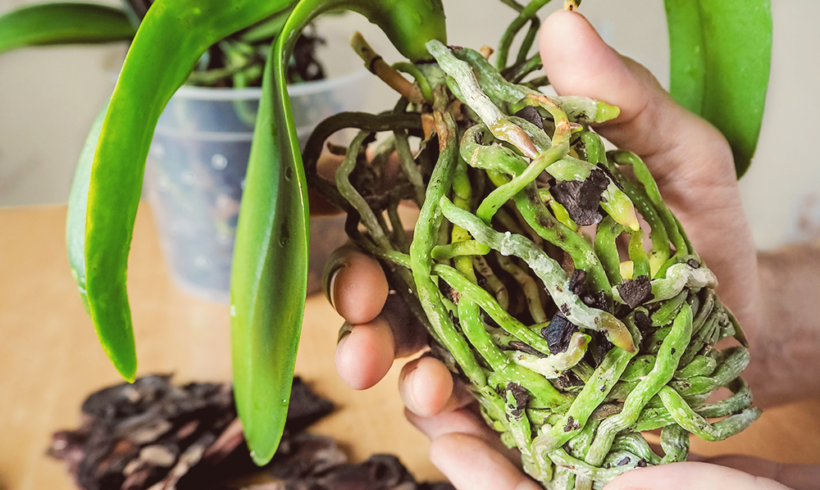
    • Roots are healthy, vigorously growing & dense. You should be able to pick up your plant by the top and it should hold onto the pot. Healthy roots are a key to success!

    [/cmsms_text][cmsms_image align=”right” animation_delay=”0″]6191|https://www.bgi-usa.com/wp-content/uploads/Simple-Indicators-of-Orchid-Health-pic-3-300×300.png|medium[/cmsms_image][cmsms_text animation_delay=”0″]

    • Leaves are erect or turgid and thick. If your orchid leaves appear dehydrated, you either have root disease or need to increase watering frequency.
    • Multiple bloom spikes indicate that you have done a tremendous job in providing all the needs of your plants. These buds are the goal and require a lot of energy by the plant. Multiple buds deserve an A+!
    • No insect or disease If this is the case, bravo in meeting the cultural needs of your orchid! Air movement is adequate, nutrition must be excellent, and if growth is vigorous, your plant can better withstand the pressure of various pests and diseases.
    • New growth. New vigorous growths, whether leaves, pseudobulbs, roots or canes are an excellent sign that your orchid is happy!

    [/cmsms_text][cmsms_image align=”left” animation_delay=”0″]6189|https://www.bgi-usa.com/wp-content/uploads/Simple-Indicators-of-Orchid-Health-pic-1-300×300.png|medium[/cmsms_image][cmsms_text animation_delay=”0″]

    Remember, plants don’t have an immune system that can fight off bacteria and disease. Proper nutrition, vigorous growth, and correct cultural practices are your best line of defense.

    Best of luck!

    [/cmsms_text][cmsms_image align=”left” animation_delay=”0″]5858|https://www.bgi-usa.com/wp-content/uploads/Tom-Scannell-blog-sig-small.png|full[/cmsms_image][/cmsms_column][/cmsms_row]

  • Beginner’s Guide To Orchid Care

    Beginner’s Guide To Orchid Care

    [cmsms_row data_padding_bottom=”50″ data_padding_top=”0″ data_overlay_opacity=”50″ data_color_overlay=”#000000″ data_bg_parallax_ratio=”0.5″ data_bg_size=”cover” data_bg_attachment=”scroll” data_bg_repeat=”no-repeat” data_bg_position=”top center” data_bg_color=”#ffffff” data_color=”default” data_padding_right=”3″ data_padding_left=”3″ data_width=”boxed”][cmsms_column data_width=”1/1″][cmsms_text animation_delay=”0″]

    Orchids are beautiful flowers and there are more than 25,00 different species of orchids, so that’s why learning orchid care from the Bougainvillea Growers International is vital, especially for beginners who have never grown them. However, the most popular type of orchid that is usually sold are the Phalaenopsis, but other species that are popping up for sale include Cattleya, Cymbidium, Dendrobium, and Oncidium.

    How to Water During Orchid Care

    When it comes to keeping an orchid watered, it is a different procedure than watering a regular plant. Once a week you should actually flood your orchid with lots of water so that it runs right through the pot. That’s because orchids come in growing in mixes that free drain. After a few minutes, do this again. Be sure to only water once a week.

    However, some types require different watering schedule, i.e. Cymbidum needs to be kept moist but not soggy all the time, and Cattleya should be allowed to dry out in-between watering. The best idea is to talk to the place you bought your orchid and find out its specific needs for water, sun and fertilizers.

    Fertilize Orchids Weekly with Weak Fertilizer

    Orchids also only need to be fertilized once a week by using a balanced and complete weak fertilizer mixture during your orchid care routine. They are actually air plants and need a source of oxygen for their roots to grow properly. They should also be repotted at least every two years, especially if they lose their blooms. Some people believe repotting every year is best for their continued growth and good health.

    Make Sure Orchids Get Proper Amount of Light

    You also need to make sure your orchid gets the right amount of sunlight, depending on the variety. Some types need more sunlight than others. If the leaves are bright green, it means they are getting enough, while dark green means not enough and red-green means it has gotten too much light. Black spots on the leaves are another indicator you orchid is getting too much sun, so be sure to appropriately do your orchid care.

    Bougainvillea Growers International Are Experts in Plant Care

    If you want the best possible information on orchid care, turn to Bourgainvillea Growers International, which began in 1994. It has experience in developing all kinds of fertilizer products on its more than 67 acres, and supplies special fertilizers for plants like orchids to customers all over the world.

    [/cmsms_text][/cmsms_column][/cmsms_row]
  • Choosing The Best Orchid Plant Care Is Easy

    Orchids are beautiful plants grown by people all over the world. Like many other plants, orchids are not necessarily difficult to grow, but you still need to take good care of them if you want them to grow large and bright. The best part of growing orchids is that these days, there are so many varieties available, including hybrids, that you can choose the orchid that is easiest to grow and will look best in your own garden. Many orchids bloom once a year, for up to 10 weeks at a time, so their short blooming time means you will want to make the most of them while they are here.

    Exceptional orchid plant care does not have to be difficult or cost a lot of money. At Bougainvillea Growers International (BGI), we offer our own line of fertilizers for nearly every type of plant, including orchids, and we can assist you with any of your plant- or flower-growing needs.

    BGI Offers Excellent Advice and Numerous Well-Made Products

    At BGI, our website offers advice on topics such as how to get the healthiest plants and flowers, the advantages of going organic, and how to tell when your plant is lacking in nutrients. In addition to expert advice, our premier line of products means that whether you are growing citrus fruits, tomatoes or trees and shrubs, you can give your plants exactly what they need to grow and thrive. Our high-quality product called Orchidgain®, offers the right blend of nutrients so that you only need this one product. Orchidgain® contains no urea, is water-soluble and works in no soil mediums like charcoal, bark or stone. The product has been researched by universities and commercial growers, and produces plants that are large and vibrant.
    Best of all, BGI’s products are made with the right balance of vitamins and minerals perfect for the successful growing of orchids. Orchids can grow outside or indoors in certain lighting, and they produce large colorful blossoms that will look good in any garden. Using the right type of fertilizer enables them to grow faster and more beautiful.

    Come to Us First

    Our products are made with natural ingredients and are scientifically researched to make sure they produce the results that are important to growers. You can order our products in two ways – through our website or from one of many fine gardening centers throughout the country. Our fertilizers are species-specific, so they are guaranteed to include everything your plant needs to grow well. When you are looking for orchid plant care, there is simply no need to look anywhere else.

  • Orchids 101

    Orchids 101

    [cmsms_row data_width=”boxed” data_padding_left=”3″ data_padding_right=”3″ data_color=”default” data_bg_color=”#ffffff” data_bg_position=”top center” data_bg_repeat=”no-repeat” data_bg_attachment=”scroll” data_bg_size=”cover” data_bg_parallax_ratio=”0.5″ data_color_overlay=”#000000″ data_overlay_opacity=”50″ data_padding_top=”0″ data_padding_bottom=”50″][cmsms_column data_width=”1/1″][cmsms_heading type=”h1″ font_weight=”400″ font_style=”normal” text_align=”default” target=”self” margin_top=”0″ margin_bottom=”20″ animation_delay=”0″]Introduction[/cmsms_heading][cmsms_text animation_delay=”0″]

    Exotic, beautiful, with thousands of species and as many hybrids, orchids are popular with homeowners and can be an obsession for the serious collector. And contrary to popular belief, they’re not difficult to grow.

    Many orchids thrive in Florida’s heat and humidity, like Cattleya and Phalaenopsis, and can do well in the home and around the yard.

    Most orchids need to be repotted every few years, and many can be divided into smaller plants. Orchids typically prefer at least partial shade or filtered sunlight, and should be protected from cold temperatures.

    [/cmsms_text][cmsms_heading type=”h1″ font_weight=”400″ font_style=”normal” text_align=”default” target=”self” margin_top=”0″ margin_bottom=”20″ animation_delay=”0″]Orchid Potting Media[/cmsms_heading][cmsms_text animation_delay=”0″]

    Most orchids are epiphytes and they need special media in which to grow.

    Some of the most common ingredients in commercially available orchid mixes are chopped tree fern fiber, chopped fir tree bark, osmunda fiber, charcoal, and volcanic rock. These materials all help to create the loose, well-drained environment that orchids crave.

    Choose from containers made of plastic, clay, wire, or redwood. Some orchids can be mounted on a piece of cork or other bark. Every two years or so you’ll need to replace the orchid growing media for each of your plants

    [/cmsms_text][cmsms_heading type=”h1″ font_weight=”400″ font_style=”normal” text_align=”default” target=”self” margin_top=”0″ margin_bottom=”20″ animation_delay=”0″]Repotting Orchids[/cmsms_heading][cmsms_text animation_delay=”0″]

    Orchids should be repotted when the media breaks down or the plant gets too big for the pot. You’ll use the same procedures when you want to divide an orchid to create a new plant.

    To repot an orchid, first remove the old media, as well as any dead or diseased roots before placing it in the new pot or on the new mounting. After repotting, use clips to secure the orchid until it’s established. Water your plant right away, but don’t fertilize for at least several weeks.

    [/cmsms_text][cmsms_heading type=”h1″ font_weight=”400″ font_style=”normal” text_align=”default” target=”self” margin_top=”0″ margin_bottom=”20″ animation_delay=”0″]Why Won’t My Orchid Bloom?[/cmsms_heading][cmsms_text animation_delay=”0″]

    One of the biggest mysteries for some gardeners is why their orchids won’t bloom. If your orchid sits in a dark corner, try moving it closer to a windowsill. Most orchids prefer bright, indirect light and won’t bloom unless they’re getting it.

    Next, think about how you fertilize. Orchids need nutrients, but applying too much fertilizer can inhibit blooming. Consider how old your orchid is. Some orchids won’t bloom until they’re at least five years old.

    Also, many people aren’t aware that most orchids need a 15- to 20-degree difference between day and night temperatures in order to flower.

    [/cmsms_text][cmsms_heading type=”h1″ font_weight=”400″ font_style=”normal” text_align=”default” target=”self” margin_top=”0″ margin_bottom=”20″ animation_delay=”0″]Orchid Pests and Diseases[/cmsms_heading][cmsms_text animation_delay=”0″]

    The most common orchid pests are scale, mealy bugs, thrips, and mites, especially if you’re growing orchids as houseplants.

    You can treat small pest problems on some orchids by dabbing the pests with a cotton swab that’s been dipped in rubbing alcohol. For larger infestations, you can wash the plants with water or use a horticultural oil or soap spray that’s safe for use on orchids. You may need to repeat this process to get the pests in check.

    If the pests still won’t go away, you can search for a stronger insecticide that’s safe to use, though you should always start with the least toxic products first.

    Orchids that are suffering from a disease may show symptoms like streaks, blotches, or even crinkling on their leaves, roots, or flowers. If you suspect a problem, the first step is always to isolate sick plants so that the pathogen can’t spread to healthy plants.

    With some diseases, you can remove the affected tissue with a clean knife and then treat the orchid with an appropriate bactericide or fungicide. In other situations, the best strategy is to dispose of the infected plants.

    Cut down on future disease problems by creating a healthy growing environment and practicing good sanitation. Provide good air movement, avoid getting the foliage and flowers wet, and always use clean tools when transplanting and propagating your orchids.

    Remember to check your orchids often so that you can take action before small problems from become bigger ones.

    [/cmsms_text][cmsms_text animation_delay=”0″](1) The information found within this article was provided by the University of Florida’s IFAS Extension. Visit http://gardeningsolutions.ifas.ufl.edu/plants/ornamentals/orchids.html for more information.[/cmsms_text][/cmsms_column][/cmsms_row]