Category: Plant Points

  • The Fruit That Took Over the World

    The Fruit That Took Over the World

    [cmsms_row data_width=”boxed” data_padding_left=”3″ data_padding_right=”3″ data_color=”default” data_bg_color=”#ffffff” data_bg_position=”top center” data_bg_repeat=”no-repeat” data_bg_attachment=”scroll” data_bg_size=”cover” data_bg_parallax_ratio=”0.5″ data_color_overlay=”#000000″ data_overlay_opacity=”50″ data_padding_top=”0″ data_padding_bottom=”50″][cmsms_column data_width=”1/1″][cmsms_image align=”left” animation_delay=”0″]6825|https://www.bgi-usa.com/wp-content/uploads/Tomatoes-4-300×300.jpg|medium[/cmsms_image][cmsms_text animation_delay=”0″]

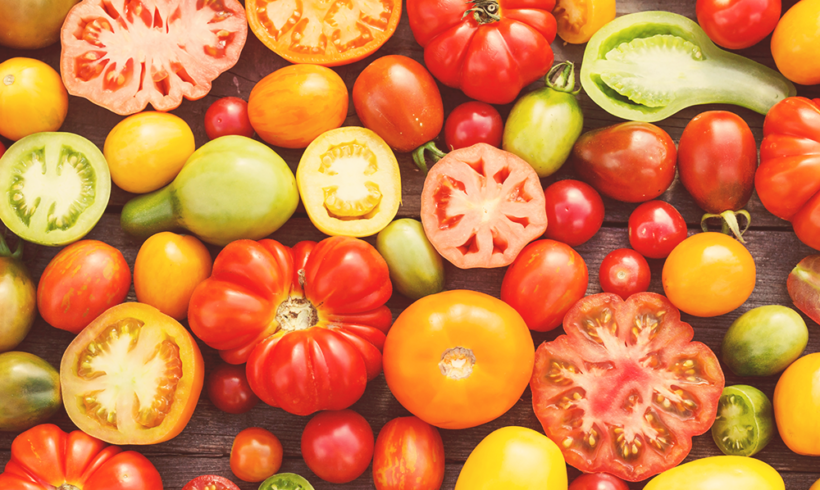
    That’s right; we’re talking tomatoes. Tomatoes have become a global phenomenon in a relatively short amount of time. They’re in everything! Ketchup, marinara, bolognese, salsa, and much more. We also love eating tomatoes on sandwiches, burgers, tacos, pizzas, and even just a slice with a little salt on it. Tomatoes are a global phenomena. But, they can be a fickle mistress in the garden. So, we’re here to shine a light on best practices for growing the best and juiciest tomatoes you can.

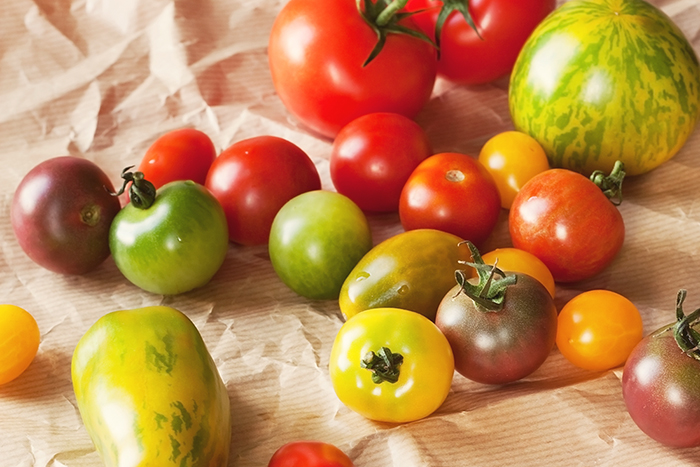
    First, let’s look at varieties. There are many different kinds of tomatoes such as heirloom, cherry, grape, beefsteak, Brandywine, big boy, cocktail, Roma, and tomatoes on the vine, to name a few. And, they come in all different colors from white to purple, red, yellow, green, and even stripes. Each of these types of tomato has its own unique flavor profile and use in an enormous list of recipes and family dishes. But, where to begin when it comes to growing them? Well, it helps to have a little background information.

    [/cmsms_text][cmsms_heading type=”h4″ font_weight=”400″ font_style=”normal” text_align=”default” target=”self” margin_top=”0″ margin_bottom=”20″ animation_delay=”0″]Determinate vs. Indeterminate[/cmsms_heading][cmsms_text animation_delay=”0″]

    There are so many different varieties of tomatoes, but what matters is the type of plant you’re buying and how they grow throughout the season.

    [/cmsms_text][cmsms_image align=”right” animation_delay=”0″]6827|https://www.bgi-usa.com/wp-content/uploads/Tomatoes-2-300×300.jpg|medium[/cmsms_image][cmsms_text animation_delay=”0″]

    There are what are called determinate tomatoes, which bloom and set fruit all at once and then decline. Their blossoms grow at the ends of shoots. These plants then stop growing and are usually compact plants that require no pruning and little staking. One exception to this rule is what we call, “vigorous” determinants, which produce such large fruit that they need support, like a trellis or fence.

    Another type of plant is called, you may have guessed, indeterminate tomatoes. These are the vines that are in for the whole summer. They continue to grow and to produce tomatoes throughout the growing season because the flowers grow along the vines rather than at the ends. Since they don’t come to a determined point but grow until stopped by cold weather or a pair of clippers (hence their name), they, too, generally need to be supported or pruned regularly.

    [/cmsms_text][cmsms_heading type=”h4″ font_weight=”400″ font_style=”normal” text_align=”default” target=”self” margin_top=”0″ margin_bottom=”20″ animation_delay=”0″]The Six Degrees of Tomato Care[/cmsms_heading][cmsms_image align=”left” animation_delay=”0″]6185|https://www.bgi-usa.com/wp-content/uploads/The-Quest-for-Flavorful-Tomatoes-pic-300×300.png|medium[/cmsms_image][cmsms_text animation_delay=”0″]

    The major difference between these types of plants is going to be growing time and, therefore nutrition requirements. As a vine-ripened fruit, all tomatoes require high levels of nutrients. Different varieties grow best in various climates. There are six requirements for growing tomatoes, and the first of course is sunlight. Tomatoes require a minimum of eight hours of sunlight a day. Secondly, they need three to four months of fairly consistent temperatures (between 55 and 75 degrees Fahrenheit), and they prefer a relatively dry season. Third, tomatoes prefer even and continuous watering. The soil should be kept moist, meaning not too wet or too dry. If you’re experiencing particularly dry weather, it’s recommended that you deep water them at least once a week.

    The fourth requirement is continuous feeding. As previously stated, tomatoes need a LOT of nutrients to produce their best. For this we recommend our Tomatogain. Tomatogain is specifically formulated to give your plants all the nutrients they require including slow-release nitrogen, so the plant is not overwhelmed. Number five on the list is drainage. Tomatoes like loose, well-drained soil so that moisture and nutrients can travel freely, and the plant’s growth is not restricted. We recommend a sandy loam for early tomatoes such as determinate varieties and a clay loam for indeterminate varieties which are late growers.

    [/cmsms_text][cmsms_image align=”right” animation_delay=”0″]6828|https://www.bgi-usa.com/wp-content/uploads/Tomatoes-1-300×300.jpg|medium[/cmsms_image][cmsms_text animation_delay=”0″]

    The sixth and final requirement on the list is protecting the leaves and roots. Protecting the leaves from extreme temperature changes can be difficult; however, to avoid this, tomatoes can be successfully grown indoors in either a garden box or hydroponically. In a hydroponic setup, you can regulate the temperature, hours of UV exposure, and nutrient flow far better than growing in a garden.

    No matter where decide to plant your tomatoes, it is critical that the plant receives the necessary amount of nutrients, and, for that, we highly recommend that you employ Tomatogain. With Tomatogain, you can rest assured that your plants are getting the appropriate levels of nutrients in precise measurements. For the casual home-grower or the avid gardener, Tomatogain’s got what you need.

    Happy growing!

    [/cmsms_text][cmsms_image align=”left” animation_delay=”0″]6784|https://www.bgi-usa.com/wp-content/uploads/BGI-Blog-logo-300×91.png|medium[/cmsms_image][/cmsms_column][/cmsms_row]

  • A Bountiful Life Springs from the Garden

    A Bountiful Life Springs from the Garden

    [cmsms_row data_padding_bottom=”50″ data_padding_top=”0″ data_overlay_opacity=”50″ data_color_overlay=”#000000″ data_bg_parallax_ratio=”0.5″ data_bg_size=”cover” data_bg_attachment=”scroll” data_bg_repeat=”no-repeat” data_bg_position=”top center” data_bg_color=”#ffffff” data_color=”default” data_padding_right=”3″ data_padding_left=”3″ data_width=”boxed”][cmsms_column data_width=”1/1″][cmsms_image align=”left” animation_delay=”0″]6843|https://www.bgi-usa.com/wp-content/uploads/BGI-blog-pic-1-300×300.jpg|medium[/cmsms_image][cmsms_heading type=”h2″ font_weight=”400″ font_style=”normal” text_align=”default” target=”self” margin_top=”0″ margin_bottom=”20″ animation_delay=”0″]A Bountiful Life Springs from the Garden[/cmsms_heading][cmsms_heading type=”h5″ font_weight=”400″ font_style=”normal” text_align=”default” target=”self” margin_top=”0″ margin_bottom=”20″ animation_delay=”0″]Stay Fit, Stay Happy, and Build a Community in Your Yard[/cmsms_heading][cmsms_text animation_delay=”0″]

    In recent years, we’ve heard a lot about the mal-effects of sitting for long periods, coupled with large quantities of food devoid of nutritional benefits. To combat the health risks of a modern lifestyle, we highly recommend gardening.

    [/cmsms_text][cmsms_heading type=”h5″ font_weight=”400″ font_style=”normal” text_align=”default” target=”self” margin_top=”0″ margin_bottom=”20″ animation_delay=”0″]How Can Gardening Help my Health?[/cmsms_heading][cmsms_image align=”right” animation_delay=”0″]6840|https://www.bgi-usa.com/wp-content/uploads/BGI-blog-pic-3-300×300.jpg|medium[/cmsms_image][cmsms_text animation_delay=”0″]

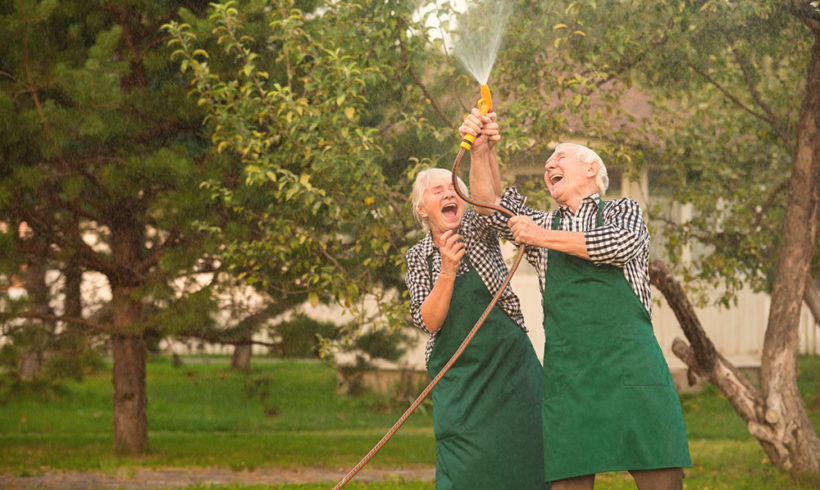
    Gardening is not only a great way to bring healthy produce into your home, but it’s also a fantastic way to stay active. There are many health benefits that come as a result of gardening, both physical and mental.

    Physical benefits of working a garden include consistent physical activity. Gardening requires walking, lifting, digging, standing, crouching, and bending over, sometimes, for long periods; these activities specifically enhance a person’s cardiovascular system, flexibility, and overall physical endurance. Less apparent may be the benefits to one’s grip strength and dexterity, and the creation of endorphins in the brain. Studies show that a lifetime of exercise and movement is the best choice for maintaining one’s health. As gardening is mainly an outdoor activity, gardeners also benefit from exposure to the sun, which is the greatest natural source of vitamin D.

    Working in a garden for thirty minutes, five days a week has been linked to lower risk of heart disease and stroke. And, for people with chronic leg or back pain, there are many ways to modify your garden to make it more manageable, such as creating raised beds or by building vertical garden boxes. These are just two of the ways that individuals with limited mobility can help themselves stay active and continue doing what they love.

    [/cmsms_text][cmsms_heading type=”h5″ font_weight=”400″ font_style=”normal” text_align=”default” target=”self” margin_top=”0″ margin_bottom=”20″ animation_delay=”0″]A Tended Garden Breeds a Fertile Mind[/cmsms_heading][cmsms_image align=”left” animation_delay=”0″]6841|https://www.bgi-usa.com/wp-content/uploads/BGI-blog-pic-2-300×300.jpg|medium[/cmsms_image][cmsms_text animation_delay=”0″]

    As previously stated, gardening not only helps to maintain physical health but also aids in maintaining your mental health. Studies indicate that tending a garden helps to combat depression and loneliness. When one tends a garden, they are caring for themselves but also the living plants in that garden. Modern society severely undervalues the importance of having something to care for and building routines outside of work. Tending a garden offers us the chance to fulfill both of these requirements. Plants are living things, and it’s been proven that the more time we spend surrounded by living things, the less lonely we feel. Over time, we build relationships with our gardens and care for their health as we would our friends and family, and, of course, nurturing our gardens results in nuritioning our loved ones.

    Time spent outdoors relieves stress and helps to regulate emotions. Many rehabilitation facilities incorporate gardening into their programming to help their patients find a new outlet. This same principle applies to everyone. Tending a garden can be a release of pent-up stress from work, strained relationships, or the loss of a loved one. Though a garden will never replace the love that we received from those we’ve lost, it can provide us with a distraction from our grief. Working the soil helps us to work through our pain, and spending time in the sun has the effect of brightening our day.

    Beyond the personal health benefits of a garden, a bountiful harvest can help feed a community. Giving the gift of nourishment to our neighbors is a great way to build strong relationships and strengthen our community. A bountiful life springs from the garden.

    [/cmsms_text][/cmsms_column][/cmsms_row]

  • New Year, New You, New…Garden?

    New Year, New You, New…Garden?

    [cmsms_row][cmsms_column data_width=”1/1″][cmsms_image align=”left” animation_delay=”0″]6787|https://www.bgi-usa.com/wp-content/uploads/New-Year-New-You-New…Garden-1-300×300.jpg|medium[/cmsms_image][cmsms_text animation_delay=”0″]

    With the New Year well on the way, it’s time to talk about resolutions. Or really the resolutions that you’ve already left in the dust. Those veggies you bought might have already gone bad in the fridge. You may have only used your new gym membership once (you know, when you signed up.) It’s okay, don’t let the panic set in yet. What if we try a new resolution this year? Now, hear me out, I know January is over but there’s still time to add something new (and manageable!) to that list! Especially when it’s an easy one! Ready?
    .
    .
    .
    .
    .
    .
    .
    .
    Go outside!
    .
    .
    .

    [/cmsms_text][cmsms_image align=”right” animation_delay=”0″]6788|https://www.bgi-usa.com/wp-content/uploads/New-Year-New-You-New…Garden-2-300×300.jpg|medium[/cmsms_image][cmsms_text animation_delay=”0″]

    It may be crazy to believe, but research has found that being in nature actually boosts the immune system, which in turn, increases our mental and physical health. To me, this sounds like three resolutions all in one. Who doesn’t love a bargain!?

    So, get out there! Start small. Take it five minutes at a time. Connecting with nature is easier than it sounds. Take a few extra minutes outside after getting the mail or, walk your dog that extra block a few times a week. Then, once you work up to it, go big!! Plant a tree, start a rose garden, add window boxes for those of you who might be stuck in those urban jungles, install raised beds, put pots of herbs and annuals out on your front porch!! Do some research on what works in your location and jump in. Connect with nature in a way that you feel most comfortable. Somehow, I think you’ll find your day will get a little brighter.

    [/cmsms_text][cmsms_image align=”left” animation_delay=”0″]6784|https://www.bgi-usa.com/wp-content/uploads/BGI-Blog-logo-300×91.png|medium[/cmsms_image][/cmsms_column][/cmsms_row]
  • ‘Tis the Season…Flu Season, That Is…

    ‘Tis the Season…Flu Season, That Is…

    [cmsms_row data_width=”boxed” data_padding_left=”3″ data_padding_right=”3″ data_color=”default” data_bg_color=”#ffffff” data_bg_position=”top center” data_bg_repeat=”no-repeat” data_bg_attachment=”scroll” data_bg_size=”cover” data_bg_parallax_ratio=”0.5″ data_color_overlay=”#000000″ data_overlay_opacity=”50″ data_padding_top=”0″ data_padding_bottom=”50″][cmsms_column data_width=”1/1″][cmsms_heading type=”h3″ font_weight=”400″ font_style=”normal” text_align=”default” target=”self” margin_top=”0″ margin_bottom=”20″ animation_delay=”0″]‘Tis the season…for sneezes, snuffles, and sore throats![/cmsms_heading][cmsms_image align=”right” animation_delay=”0″]6483|https://www.bgi-usa.com/wp-content/uploads/Flu-season-photo2.jpg|full[/cmsms_image][cmsms_text animation_delay=”0″]

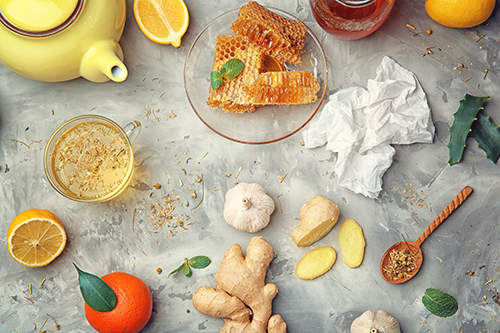
    Every year, along with all the holiday cheer and good tidings, I always manage to get sick. Honestly, this yearly ritual might be worse then the coal Santa gave me one year! So, to avoid the version of a white Christmas that consists of my bedroom floor covered in tissues, I did some preparation beforehand. Planting in my garden a whole host of nutrient packed, cold fighting herbs. My new New Year’s resolution: Cold Fighting Superhero (cape and all). Who knew it was as easy as a little gardening? I’m still looking for a cape though, petite size if anyone has a suggestion…

    [/cmsms_text][cmsms_heading type=”h4″ font_weight=”400″ font_style=”normal” text_align=”default” target=”self” margin_top=”0″ margin_bottom=”20″ animation_delay=”0″]Let’s Get Into It[/cmsms_heading][cmsms_text animation_delay=”0″]

    Up first, and this might seem strange but trust me, it’s worth it! Plantains. You read that right, plantains! Sadly, not the same type of plantain that is used to make an incredibly delicious side dish. Herbal panacea or plantain (plantago spp) is a different variety of the banana-like fruit. So, put the tostones recipes away, and look at what this medicinal herb plantain has to offer: The herb is astringent, anti-toxic, antimicrobial, anti-inflammatory, anti-histamine, as well as demulcent, expectorant, styptic and diuretic. This baby does it all! Usually enjoyed as a loose-leaf tea, you can expect Plantago spp to get the job done.

    [/cmsms_text][cmsms_image align=”left” animation_delay=”0″]6482|https://www.bgi-usa.com/wp-content/uploads/Flu-season-photo1.jpg|full[/cmsms_image][cmsms_text animation_delay=”0″]

    You gotta keep things spicy! Our next Sniffle Savior Award goes to cayenne peppers! In addition to being edible (and a common ingredient in most of my dishes), cayenne peppers (capsicum frutescens) have so many medicinal uses. Anything from a sore throat, wounds, chills, and bruising. This pepper might be my favorite cure all! The best part, peppers are a top grower in Florida, which means easy access year round. Marvel and DC, look out, a new hero is on the way! Try an Apple Cider Vinegar Cayenne Pepper cold remedy, or give a Lemon & Cayenne Pepper recipe a try!

    [/cmsms_text][cmsms_text animation_delay=”0″]

    Last on our list, but certainly not least, purple coneflower, AKA echinacea. This herb is often used as a decorative plant and sadly is widely over looked. A Native plant to Florida, and a natural immune-system booster, this attractive herb can treat colds, inflammation, and fight infection. Echinacea is now growing loud and proud at the forefront of my garden! Echinacea is great as a tea or tincture, and you can make both of these using your fresh echinacea plant.

    [/cmsms_text][cmsms_image align=”right” animation_delay=”0″]6484|https://www.bgi-usa.com/wp-content/uploads/Flu-season-photo3-300×300.jpg|medium[/cmsms_image][cmsms_text animation_delay=”0″]

    “The beauty of herbs is that it isn’t formulated, it is given to us by the earth, nurtured by all that is natural in this world, like sun and water,” says Nikki Arguinzoni-Gil, a licensed naturopathic doctor. “Herbs have existed since the beginning of time and for most of our existence has been used to heal wounds, treat disease, nourish the body, and so much more. It is in its pureness that it harbors such healing power. Both with individual herbs and in formulations, you are able to use whatever part of a plant you desire, depending on what herbal property you want to utilize. You can take a couple of herbs and make herbal formulations geared toward treating or preventing whatever condition you desire.”

    There it is, my small list of plants that can help you become your own hero, and hopefully a way to get through the holidays without missing a beat. Too bad these herbs can’t help with all that holiday traffic. Hmmm, maybe if I find that cure, I’ll really get a cape! All the same, Happy Holidays, and stay healthy!

    [/cmsms_text][/cmsms_column][/cmsms_row]

  • What’re We Going to do With All These Pumpkins?

    What’re We Going to do With All These Pumpkins?

    [cmsms_row data_width=”boxed” data_padding_left=”3″ data_padding_right=”3″ data_color=”default” data_bg_color=”#ffffff” data_bg_position=”top center” data_bg_repeat=”no-repeat” data_bg_attachment=”scroll” data_bg_size=”cover” data_bg_parallax_ratio=”0.5″ data_color_overlay=”#000000″ data_overlay_opacity=”50″ data_padding_top=”0″ data_padding_bottom=”50″][cmsms_column data_width=”1/1″][cmsms_heading type=”h3″ font_weight=”400″ font_style=”normal” text_align=”default” target=”self” margin_top=”0″ margin_bottom=”20″ animation_delay=”0″]Pumpkins get a bad rap, man. [/cmsms_heading][cmsms_image align=”left” animation_delay=”0″]6463|https://www.bgi-usa.com/wp-content/uploads/Pumpkin-Pie-3.jpg|full[/cmsms_image][cmsms_text animation_delay=”0″]

    People go at them all judgey judge, poking and prodding at them to find the biggest and the fattest. Once they get them home, they cut them open, throw away their insides, carve strange patterns into them, then toss them in the garbage without a second thought. The poor pumpkins don’t see what’s coming for them! People are seriously mistreating the pumpkins of the world!

    Now, I know some of you are familiar with my feeling on gourds, so it should come to no surprise to you that pumpkins are one of my favorites! It makes my heart so sad to see so many waste so much of these delicious orange lumpy orbs that grace us with their presence every autumn. So people, put down the garbage bags, and bring out the sheet pans, soup bowls and pie dishes!! Pumpkins have so much more to offer you than just mediocre decoration.

    [/cmsms_text][cmsms_image align=”right” animation_delay=”0″]6461|https://www.bgi-usa.com/wp-content/uploads/Pumpkin-Pie-1.jpg|full[/cmsms_image][cmsms_text animation_delay=”0″]

    My Granny was a firm believer in the “waste not, want not” tradition; she also happened to love pumpkin. One of the first signs of fall growing up was a big bag of roasted pumpkin seeds that my Granny would give all her grandkids. We coveted them, taking that salty snack wherever we wandered on our weekend adventures. Granny was also famous for her many creative dinners full of fresh pumpkin. From Pumpkin Soup with Sage and Ham, to her Pumpkin Mac and Cheese, loaded with bits of creamy, scrumptious pumpkin inside. And on Thanksgiving? You can’t even imagine. On this day, it took little more than opening her front door before the glorious smell that is pumpkin pie would hit you right in your olfactory! The smell of freshly ground spices lingered in the air for days. To this day, nutmeg always takes me back to those precious times.

    So, take a page from the past, be a bit more like Granny, and use those pumpkins for more than just a place to practice your knife skills! ????????

    For inspiration, I snuck my Granny’s pie recipe below. Happy baking, but shh, don’t tell her it came from me!

    [/cmsms_text][cmsms_image align=”left” animation_delay=”0″]6462|https://www.bgi-usa.com/wp-content/uploads/Pumpkin-Pie-2.jpg|full[/cmsms_image][cmsms_text animation_delay=”0″]

    Ingredients

    Pumpkin:

    1 medium sugar pumpkin (about 3 pounds)
    Canola oil, for oiling pumpkin (can be swapped with any oil)

    Pie Crust:

    1 1/2 cups finely ground graham cracker crumbs
    6 tablespoons butter melted and slightly warm
    1/4 cup granulated sugar
    1/4 teaspoon ground cinnamon

    Filling:

    One 14-ounce can sweetened condensed milk
    1/2 cup whipping cream
    2 tablespoons cornstarch
    2 tablespoons molasses
    2 tablespoons canola oil
    1 tablespoon ground cinnamon
    ½ teaspoon ground ginger
    ½ teaspoon ground nutmeg
    3 large eggs

    [/cmsms_text][cmsms_text animation_delay=”0″]

    • For the pumpkin: Preheat the oven to 375 degrees F.
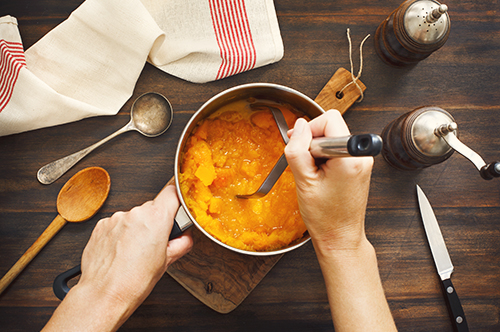
    • Remove the stem from the pumpkin and scrape out the insides, discarding the seeds. Cut the pumpkin in half and lay the pieces cut-side down on a rimmed baking sheet lined with aluminum foil. Rub canola oil all over the skin and bake until fork-tender, about 1 hour. Let cool.
    • Add all the ingredients for the crust to a food processor and pulse until combined; it should feel like wet sand, and just come together.

    [/cmsms_text][cmsms_image align=”right” animation_delay=”0″]6465|https://www.bgi-usa.com/wp-content/uploads/Pumpkin-Pie-4.jpg|full[/cmsms_image][cmsms_text animation_delay=”0″]

    • Spread the mixture evenly into a 9-inch pie pan, using your finger tips or the flat bottom of a glass. Firmly press the mixture over the bottom and sides of the pan.
    • Put the pan on the middle rack of the oven and bake until the crust is light brown and firm to the touch, about 10 to 15 minutes. Remove from the oven and let cool.
    • For the filling: Scoop out the pulp from the roasted pumpkin and puree in a food processor until smooth (you should have about 4 cups). Add the condensed milk, cream, cornstarch, molasses, canola oil, cinnamon, ginger, salt and eggs and combine thoroughly.
    • Pour the filling into the crust and bake until the filling is set in the center, about 1 hour. Transfer the pie to a rack and cool for 30 minutes. Serve at room temperature or chilled.

    [/cmsms_text][cmsms_image align=”left” animation_delay=”0″]6308|https://www.bgi-usa.com/wp-content/uploads/Dev2-300×83.png|medium[/cmsms_image][/cmsms_column][/cmsms_row]
  • Let’s Talk Squash

    Let’s Talk Squash

    [cmsms_row data_width=”boxed” data_padding_left=”3″ data_padding_right=”3″ data_color=”default” data_bg_color=”#ffffff” data_bg_position=”top center” data_bg_repeat=”no-repeat” data_bg_attachment=”scroll” data_bg_size=”cover” data_bg_parallax_ratio=”0.5″ data_color_overlay=”#000000″ data_overlay_opacity=”50″ data_padding_top=”0″ data_padding_bottom=”50″][cmsms_column data_width=”1/1″][cmsms_heading type=”h1″ font_weight=”400″ font_style=”normal” text_align=”default” target=”self” margin_top=”0″ margin_bottom=”20″ animation_delay=”0″]Squash[/cmsms_heading][cmsms_heading type=”h4″ font_weight=”400″ font_style=”normal” text_align=”default” target=”self” margin_top=”0″ margin_bottom=”20″ animation_delay=”0″]Now, I’m not talking about that ball game nonsense, people running around in those little shorts and such.[/cmsms_heading][cmsms_image align=”left” animation_delay=”0″]6364|https://www.bgi-usa.com/wp-content/uploads/shutterstock_681308011-1-300×300.jpg|medium[/cmsms_image][cmsms_text animation_delay=”0″]

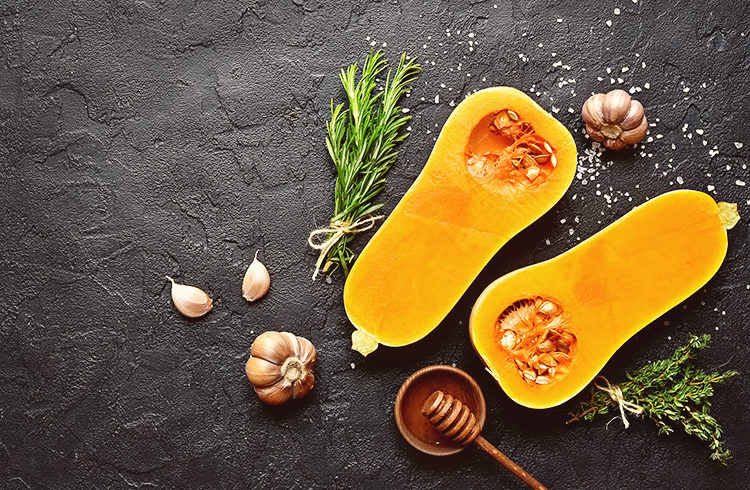
    As lovely as that sounds, believe me I know, I want to talk to you about gourds. Pumpkins, cucumbers, melons, and squash are scrumptious examples of the gourds I speak of. Though, for the purpose of this blog, let’s limit our conversation to just the squash.

    First, some backstory: My father, bless his heart, is a wonderful and extremely talented man. If you ask, he can fix anything you put in front of him; unless you ask him to fix you dinner. Unfortunately, life has a way of throwing challenges at you, and being a single parent, you do what you must do. For most of my life, 5 out of 7 days a week, Dad provided a nutritious dinner of frozen pizza and boiled squash. That’s right, boiled squash. Squash so boiled all the color had been cooked away. Squash so boiled it looked like the gruel Oliver Twist got in that orphanage; only you never caught me saying, “please sir, may I have some more?”

    [/cmsms_text][cmsms_image align=”right” animation_delay=”0″]6365|https://www.bgi-usa.com/wp-content/uploads/shutterstock_700354633-300×300.jpg|medium[/cmsms_image][cmsms_text animation_delay=”0″]

    Into my adulthood, the traumatic memories of that lifeless and flavorless squash haunted my dreams. That is, until I started to garden. Summer Squash was one of the first seedlings that I received from one of my well-meaning neighbors. Apparently, they had grown them in the neighborhood for years, and this was some sort of tradition. Not being one to monkey with tradition, I promptly planted the seedlings in my new garden along with my other carefully planned and planted vegetable selection.

    As the weeks went by, and while everything else had started to grow, the squash appeared…well, pretty sad. Perhaps it had been a lack of attention, we’ll say, paid towards that section of the garden that dampened their growth (I’ll never admit it), but I became resolved not to let those suckers die!

    I had previously used several of BGI’s plant foods before to help nourish the growth of my green babies, so I immediately thought of our products to help my suffering squash. Grow & Gain seemed to be the best fit, being an all-purpose liquid fertilizer particularly formulated for use on all types of indoor and outdoor plants, especially fruits & veggies! Grow & Gain has all these awesome chelated micronutrients and organic acids that help keep all the important and sustaining nutrients in the plant, so I knew that this would bring those babies back to life! It came in a premixed spray bottle that was so easy to use too! What more could I have asked for?

    [/cmsms_text][cmsms_image align=”left” animation_delay=”0″]6366|https://www.bgi-usa.com/wp-content/uploads/shutterstock_1065846221-300×300.jpg|medium[/cmsms_image][cmsms_text animation_delay=”0″]

    As luck (ok, science) would have it, with a regular fertilizer program using the Grow & Gain and maybe a little more positivity from me, my squash took off! My gourds were the size of school books before I knew it!

    After investing so much personal time in the growth of that silly squash, eating it actually started to sound pretty appealing. The squash itself looked like little suns, the color so crisp and yellow. Already shining through the dark cloud that was my nightmares of squashes past. A quick chop, and sauté later, and…WOW! Everything about this squash was great! Tasting the actual squash really makes a difference and having the satisfaction of knowing I grew it made it even better. What are you waiting for? Get out there and plant those squash!

    [/cmsms_text][/cmsms_column][/cmsms_row]

  • Flower Crowns

    Flower Crowns

    [cmsms_row data_width=”boxed” data_padding_left=”3″ data_padding_right=”3″ data_color=”default” data_bg_color=”#ffffff” data_bg_position=”top center” data_bg_repeat=”no-repeat” data_bg_attachment=”scroll” data_bg_size=”cover” data_bg_parallax_ratio=”0.5″ data_color_overlay=”#000000″ data_overlay_opacity=”50″ data_padding_top=”0″ data_padding_bottom=”50″][cmsms_column data_width=”1/1″][cmsms_text animation_delay=”0″]

    Hello world!

    My name is Devan (Dev if were friends), and this is my very first blog. So, I thought we could start it off with a bit of honesty; especially seeing as you all don’t really know me, and you know, “I’m”, just words on a screen. So why not try to get a little more personal! That being said, I think this is a perfect introduction, let’s start:

    [/cmsms_text][cmsms_image align=”right” animation_delay=”0″]6301|https://www.bgi-usa.com/wp-content/uploads/shutterstock_1040743219-e1529092719616-300×300.jpg|medium[/cmsms_image][cmsms_text animation_delay=”0″]

    To put myself in the most flattering light, I want to admit I may have some slight jealous issues…. it’s nothing like you think, I’m not chasing people down the street to get take their adorable coat, that would know doubt look fabulous on me, right off them. Nor am I incessantly whining because my neighbor’s pineapples ripened faster than mine. However, I am saving for that coat, and I’ve just given my pineapples a stern talking to!

    Recently, I’ve seen this hyper popular trend floating around the internet, and it has my interest highly peaked. What bopping millennial trend is that you ask? Well, I’m glad you did! It’s none other than flower crowns, and I have to say, I totally dig them! I more than dig them. I. AM. OBSESSED! Who wouldn’t want to look like a nature goddess 24/7?

    After a small amount of that jealously I spoke about, I shook it off and did a quick internet search. Turns out, I can make my very own crown easy peasy!

    [/cmsms_text][cmsms_image align=”left” animation_delay=”0″]6298|https://www.bgi-usa.com/wp-content/uploads/shutterstock_365011982-300×300.jpg|medium[/cmsms_image][cmsms_text animation_delay=”0″]

    Needing very little in the way of supplies, I started with the following:

    Floral tape
    Floral wire
    Scissors
    Fresh flowers
    Cold water
    Vase
    Supergain
    Creativity

    Onto the instructions:

    After gathering everything I needed, I immediately stuck my flowers in a vase with the recommended mix of Supergain. Supergain comes from totally organic, and plant-derived nutritional substances. For lack of a better description, it seriously acts like a Viagra to these flowers. I almost immediately saw the flowers perk to an even fuller bloom than before. I also use Supergain on plants that need an extra boost, with so many uses like root development, flowering, chlorophyll production, disease resistance, salt tolerance, etc. I can’t think of a reason to not use it! Plus, one 4oz bottle lasts me ages, which warms my cost-efficient heart.

    [/cmsms_text][cmsms_image align=”right” animation_delay=”0″]6300|https://www.bgi-usa.com/wp-content/uploads/shutterstock_619371374-300×300.jpg|medium[/cmsms_image][cmsms_text animation_delay=”0″]

    1. Once my flowers look worthy of a queen’s crown, I cut them. Making my stem around 1.5 inches long

    2. Taking the floral wire, I wrapped that around my entire head a few times. Make sure the wire is sturdy enough to hold the number of flowers you want to use in your crown!

    3. I started with one of the flowers I wanted to put in the middle of the crown. Using the floral tape to attach the stem to the wire. I found it best to tape the flower at an angle

    4. I continued to place other flowers behind the center flower until I had one side completed; following the same instruction as above.

    5. I repeated the process for the other side by placing a flower next to my center flower (the heads of the flowers should be facing each other) and worked my way down that side of the wire.

    Last one! 6. I finished by covering the exposed wire in the back with the floral tape. Then voilà! I felt instantly transformed into the goddess I always knew I was!

    All I can say is: Dev digs it! Now get yourself one too!

    [/cmsms_text][cmsms_image align=”left” animation_delay=”0″]6308|https://www.bgi-usa.com/wp-content/uploads/Dev2-300×83.png|medium[/cmsms_image][/cmsms_column][/cmsms_row]
  • Simple Indicators of Orchid Health

    Simple Indicators of Orchid Health

    [cmsms_row data_padding_bottom=”50″ data_padding_top=”0″ data_overlay_opacity=”50″ data_color_overlay=”#000000″ data_bg_parallax_ratio=”0.5″ data_bg_size=”cover” data_bg_attachment=”scroll” data_bg_repeat=”no-repeat” data_bg_position=”top center” data_bg_color=”#ffffff” data_color=”default” data_padding_right=”3″ data_padding_left=”3″ data_width=”boxed”][cmsms_column data_width=”1/1″][cmsms_image align=”left” animation_delay=”0″]6190|https://www.bgi-usa.com/wp-content/uploads/Simple-Indicators-of-Orchid-Health-pic-2-300×300.png|medium[/cmsms_image][cmsms_text animation_delay=”0″]

    We are all after magnificent, showy, vigorous, healthy plants!

    Here are a few signs that your orchids are happy with your care:
    • They don’t get hungry. Stay on schedule with your applications. They don’t need a lot, but they do need food. A water-soluble formula is preferred, especially one designed for orchids, like Orchidgain. You will see an improvement in growth and vigor!
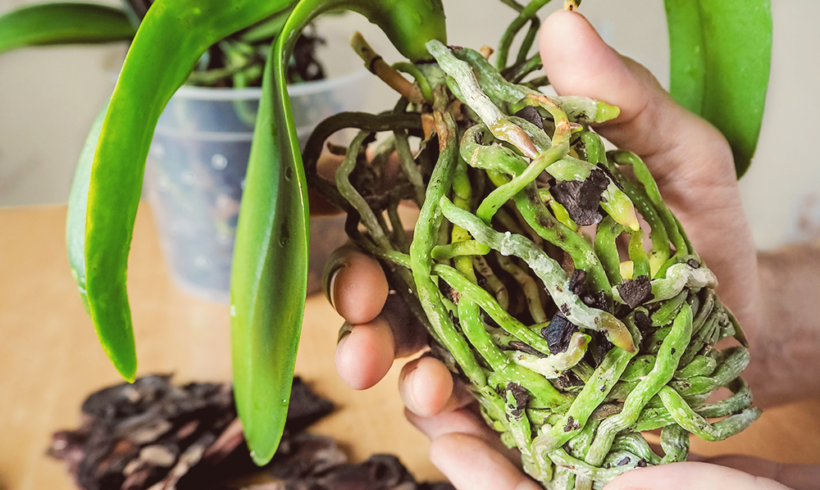
    • Roots are healthy, vigorously growing & dense. You should be able to pick up your plant by the top and it should hold onto the pot. Healthy roots are a key to success!

    [/cmsms_text][cmsms_image align=”right” animation_delay=”0″]6191|https://www.bgi-usa.com/wp-content/uploads/Simple-Indicators-of-Orchid-Health-pic-3-300×300.png|medium[/cmsms_image][cmsms_text animation_delay=”0″]

    • Leaves are erect or turgid and thick. If your orchid leaves appear dehydrated, you either have root disease or need to increase watering frequency.
    • Multiple bloom spikes indicate that you have done a tremendous job in providing all the needs of your plants. These buds are the goal and require a lot of energy by the plant. Multiple buds deserve an A+!
    • No insect or disease If this is the case, bravo in meeting the cultural needs of your orchid! Air movement is adequate, nutrition must be excellent, and if growth is vigorous, your plant can better withstand the pressure of various pests and diseases.
    • New growth. New vigorous growths, whether leaves, pseudobulbs, roots or canes are an excellent sign that your orchid is happy!

    [/cmsms_text][cmsms_image align=”left” animation_delay=”0″]6189|https://www.bgi-usa.com/wp-content/uploads/Simple-Indicators-of-Orchid-Health-pic-1-300×300.png|medium[/cmsms_image][cmsms_text animation_delay=”0″]

    Remember, plants don’t have an immune system that can fight off bacteria and disease. Proper nutrition, vigorous growth, and correct cultural practices are your best line of defense.

    Best of luck!

    [/cmsms_text][cmsms_image align=”left” animation_delay=”0″]5858|https://www.bgi-usa.com/wp-content/uploads/Tom-Scannell-blog-sig-small.png|full[/cmsms_image][/cmsms_column][/cmsms_row]

  • The Quest for Flavorful Tomatoes

    The Quest for Flavorful Tomatoes

    [cmsms_row data_padding_bottom=”50″ data_padding_top=”0″ data_overlay_opacity=”50″ data_color_overlay=”#000000″ data_bg_parallax_ratio=”0.5″ data_bg_size=”cover” data_bg_attachment=”scroll” data_bg_repeat=”no-repeat” data_bg_position=”top center” data_bg_color=”#ffffff” data_color=”default” data_padding_right=”3″ data_padding_left=”3″ data_width=”boxed”][cmsms_column data_width=”1/1″][cmsms_image align=”left” animation_delay=”0″]6182|https://www.bgi-usa.com/wp-content/uploads/The-Quest-for-Flavorful-Tomatoes-pic-2-300×300.png|medium[/cmsms_image][cmsms_text animation_delay=”0″]

    One of the most popular vegetables in the home garden, as well as at the grocery store, are tomatoes. A lot of what I hear from homeowners is the newer commercial varieties have not considered taste in their breeding selection. While pest resistance, days to maturity and shelf life may be critical to growers, the bottom line to the homeowner and home gardener is taste – and rightly so!

    Tomato fertilization and soil fertility can play a significant role in not only flavorful but nutritious and high yielding tomato plants.

    Proper plant nutrition will always benefit tomato appearance and flavor, and the first step is a soil test. Your Extension service can provide information, analysis and recommendations.

    [/cmsms_text][cmsms_image align=”right” animation_delay=”0″]6181|https://www.bgi-usa.com/wp-content/uploads/The-Quest-for-Flavorful-Tomatoes-pic-1-300×300.png|medium[/cmsms_image][cmsms_text animation_delay=”0″]

    Regarding taste, human taste testers always find the best flavors associated with high acid content, high soluble solids or high sugar content.

    Numerous tomato fertility studies have looked at P (phosphorus) and K (potassium) levels and their effect on fruit. It turns out, when both P & K are provided in excess (150%) of typical needs or recommendations, fruit had better quality, color, texture and taste. It’s no wonder since the studies indicate more K produces higher acid content, and increased P boosts sugar content – the 2 attributes that make great tasting tomatoes! Adequate K also results in more uniform color and ripening!

    With regards to N (nitrogen), it is often a case of “too much of a good thing”, actually harming fruit flavor.

    Here at BGI, we formulated our Tomatogain based on generations of professional grower knowledge and state university research.

    [/cmsms_text][cmsms_image align=”left” animation_delay=”0″]6185|https://www.bgi-usa.com/wp-content/uploads/The-Quest-for-Flavorful-Tomatoes-pic-300×300.png|medium[/cmsms_image][cmsms_text animation_delay=”0″]

    If you notice our formula 8-16-16, it provides adequate nitrogen, but plentiful phosphorus and potassium. Tomatoes are voracious feeders. You want those nutrients available in sufficient amounts when the plant needs them.

    One other interesting environmental effect on tomatoes is light. Without full sun, sugar concentration will be reduced. That is why during the winter months in the northern states you have greenhouse grown tomatoes that are, personally speaking, horrible!

    While variety selection, growing conditions and degree of vine ripeness are large factors in tomato flavor, appearance and texture, adequate nutrition is equally important. Feed those hungry tomatoes with just the right stuff – Tomatogain 8-16-16 – and literally enjoy the (tasty) fruits of your knowledge & labor!

    Take care,

    [/cmsms_text][cmsms_image align=”left” animation_delay=”0″]5858|https://www.bgi-usa.com/wp-content/uploads/Tom-Scannell-blog-sig-small.png|full[/cmsms_image][/cmsms_column][/cmsms_row]
  • Essential Hibiscus Fertility Facts

    Essential Hibiscus Fertility Facts

    [cmsms_row][cmsms_column data_width=”1/1″][cmsms_image align=”left” animation_delay=”0″]6032|https://www.bgi-usa.com/wp-content/uploads/EHFF-Body-image-300×300.png|medium[/cmsms_image][cmsms_text]

    The following is a brief discussion of Hibiscus fertility needs and best practices.

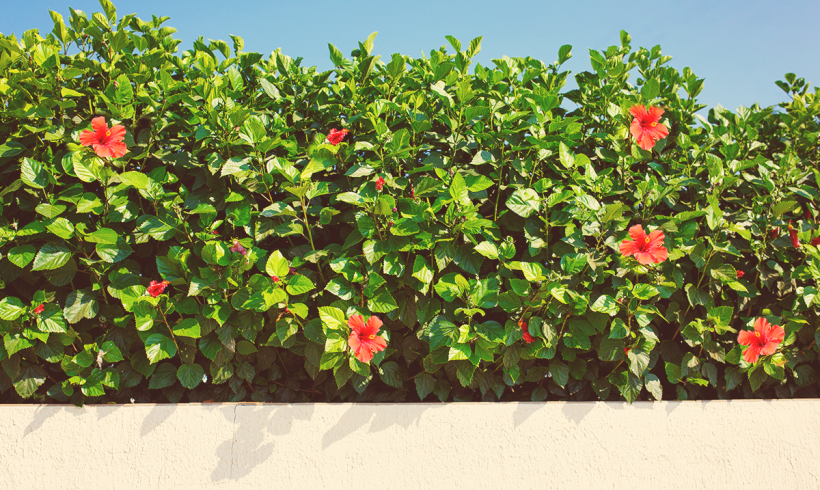
    Hibiscus are heavy feeders. They like to be fertilized lightly and often, at least once per month during the growing season.  The goal here is to maintain an adequate supply of nutrients that promote profuse blooming.  A balanced mixture of Nitrogen (N), Phosphorous (P), and Potassium (K) will be inadequate, unless it contains other essential elements to the Hibiscus including; Magnesium, Manganese, Iron, Copper and Zinc.  Magnesium (Mg) is critical to Hibiscus and should be a minimum of 3% in your plant food mix.

    Hibiscus prefer a slightly acid soil (pH 6-7), because micronutrients are more available to the plant.  Iron (Fe) deficiency is the most common micronutrient deficiency in Hibiscus.  Iron is not available in alkaline, high pH soils.  Using acid forming fertilizers like HibisGain can maintain and even acidify the soil making these nutrients more available.  If your plant has younger leaves that are yellow and the larger veins are green, (interveinal chlorosis), you have an Fe deficiency.

    [/cmsms_text][cmsms_image align=”right” animation_delay=”0″]6031|https://www.bgi-usa.com/wp-content/uploads/EHFF-Body-image-2-300×300.png|medium[/cmsms_image][cmsms_text animation_delay=”0″]

    Never apply fertilizer to dry soil.  Always water Hibiscus well both before and after fertilization.  Keep the granular fertilizer off the foliage and away from the trunk.  These practices help insure you will not burn the plant.

    Most growers prefer a low phosphate (P) fertilizer like a 12-6-8, since it helps produce the highest quality and quantity of blooms.  Professional growers avoid the so called “Bloom Special” fertilizer mixes like 10-40-10 that contains high amounts of (P).  High Phosphorous amounts in the soil cause the destruction of Hibiscus health over time.

    Try Hibisgain® on your beautiful plants.  It’s a properly balanced, nutrient available plant food specifically developed to promote blooming in Hibiscus.

    We are blessed with the beauty of Hibiscus.  May we go and grow them in their greatest splendor, creating color and joy and beauty for anyone and all to enjoy and cherish.

    Take care!

    [/cmsms_text][cmsms_image align=”left” animation_delay=”0″]5858|https://www.bgi-usa.com/wp-content/uploads/Tom-Scannell-blog-sig-small.png|full[/cmsms_image][/cmsms_column][/cmsms_row]