Category: Hibiscus

  • Essential Hibiscus Fertility Facts

    Essential Hibiscus Fertility Facts

    [cmsms_row][cmsms_column data_width=”1/1″][cmsms_image align=”left” animation_delay=”0″]6032|https://www.bgi-usa.com/wp-content/uploads/EHFF-Body-image-300×300.png|medium[/cmsms_image][cmsms_text]

    The following is a brief discussion of Hibiscus fertility needs and best practices.

    Hibiscus are heavy feeders. They like to be fertilized lightly and often, at least once per month during the growing season.  The goal here is to maintain an adequate supply of nutrients that promote profuse blooming.  A balanced mixture of Nitrogen (N), Phosphorous (P), and Potassium (K) will be inadequate, unless it contains other essential elements to the Hibiscus including; Magnesium, Manganese, Iron, Copper and Zinc.  Magnesium (Mg) is critical to Hibiscus and should be a minimum of 3% in your plant food mix.

    Hibiscus prefer a slightly acid soil (pH 6-7), because micronutrients are more available to the plant.  Iron (Fe) deficiency is the most common micronutrient deficiency in Hibiscus.  Iron is not available in alkaline, high pH soils.  Using acid forming fertilizers like HibisGain can maintain and even acidify the soil making these nutrients more available.  If your plant has younger leaves that are yellow and the larger veins are green, (interveinal chlorosis), you have an Fe deficiency.

    [/cmsms_text][cmsms_image align=”right” animation_delay=”0″]6031|https://www.bgi-usa.com/wp-content/uploads/EHFF-Body-image-2-300×300.png|medium[/cmsms_image][cmsms_text animation_delay=”0″]

    Never apply fertilizer to dry soil.  Always water Hibiscus well both before and after fertilization.  Keep the granular fertilizer off the foliage and away from the trunk.  These practices help insure you will not burn the plant.

    Most growers prefer a low phosphate (P) fertilizer like a 12-6-8, since it helps produce the highest quality and quantity of blooms.  Professional growers avoid the so called “Bloom Special” fertilizer mixes like 10-40-10 that contains high amounts of (P).  High Phosphorous amounts in the soil cause the destruction of Hibiscus health over time.

    Try Hibisgain® on your beautiful plants.  It’s a properly balanced, nutrient available plant food specifically developed to promote blooming in Hibiscus.

    We are blessed with the beauty of Hibiscus.  May we go and grow them in their greatest splendor, creating color and joy and beauty for anyone and all to enjoy and cherish.

    Take care!

    [/cmsms_text][cmsms_image align=”left” animation_delay=”0″]5858|https://www.bgi-usa.com/wp-content/uploads/Tom-Scannell-blog-sig-small.png|full[/cmsms_image][/cmsms_column][/cmsms_row]
  • Hibiscus Tea

    Hibiscus Tea

    [cmsms_row data_width=”boxed” data_padding_left=”3″ data_padding_right=”3″ data_color=”default” data_bg_color=”#ffffff” data_bg_position=”top center” data_bg_repeat=”no-repeat” data_bg_attachment=”scroll” data_bg_size=”cover” data_bg_parallax_ratio=”0.5″ data_color_overlay=”#000000″ data_overlay_opacity=”50″ data_padding_top=”0″ data_padding_bottom=”50″][cmsms_column data_width=”1/1″][cmsms_image align=”left” animation_delay=”0″]4552|https://www.bgi-usa.com/wp-content/uploads/hibiscus-1-200×300.jpg|medium[/cmsms_image][cmsms_text animation_delay=”0″]

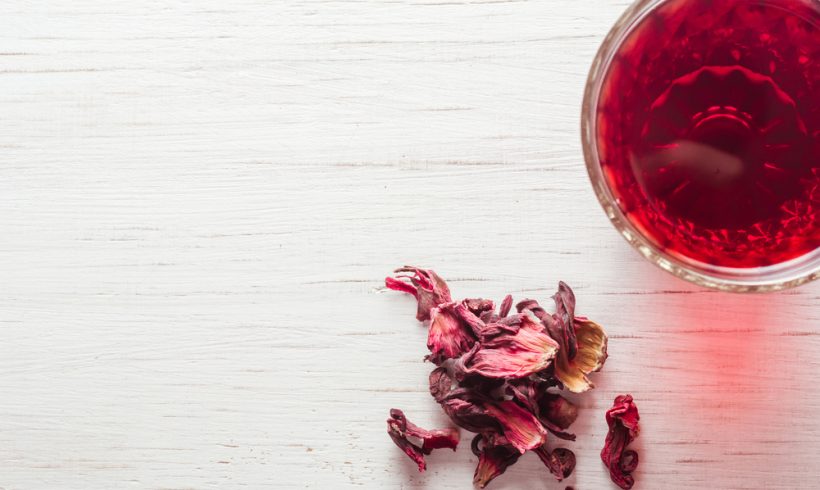
    Steeped hibiscus flowers make a tart, fruity tea packed with health benefits, including relief from high blood pressure and high cholesterol, as well as digestive, immune system, and inflammatory problems!

    Fresh hibiscus iced tea

    What you’ll need:

    10-12 fresh hibiscus flowers
    1/2 cup Agave syrup
    Juice of 1 lime
    Fresh mint for serving (optional)

    Bring 4 cups of water to a boil in a medium saucepan. Rinse hibiscus flowers in cold water. Remove stem and green bud. Add the flowers and agave syrup to the boiling water and let steep 7 to 10 minutes.

    Strain through a sieve into a pitcher, discarding the solids. Add the lime juice, 2 cups cold water and 2 cups ice. Serve over ice and garnish with mint.

    For big, bold hibiscus blooms, try Hibisgain®!

    [/cmsms_text][/cmsms_column][/cmsms_row]

  • Hibiscus 101

    Hibiscus 101

    [cmsms_row][cmsms_column data_width=”1/1″][cmsms_text]

    Introduction

    HibiscusHibiscus is a large shrub or small tree that produces huge, colorful, trumpet-shaped flowers over a long season. Other common names include Chinese hibiscus and tropical hibiscus.

    The eight hibiscus species that are considered to be the ancestors of the modern exotic hibiscus were originally native to Mauritius, Madagascar, Fiji, Hawaii, and either China or India. Similar in many ways to today’s hibiscus, the ancestors were characterized by free flowering, tall and willowy bushes, and the ability to form seeds using their own pollen that would grow into plants that are genetically identical to the parent plants.

    Common Varieties

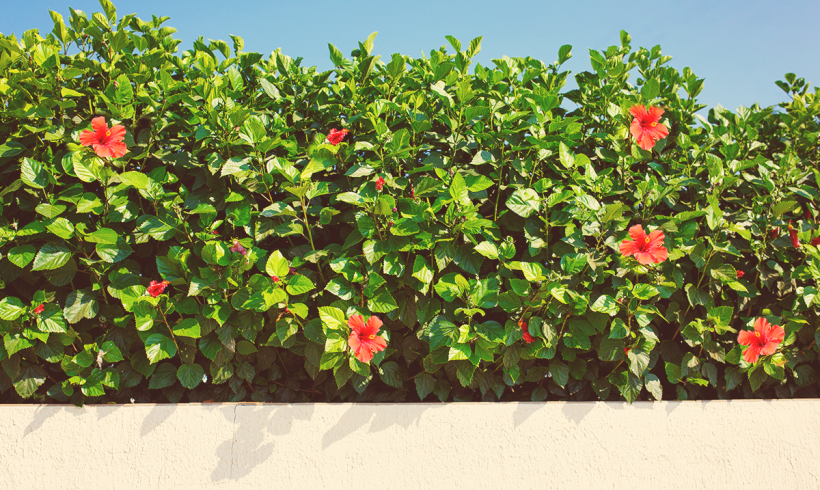
    Hibiscus is placed into two groups, tropical and hardy. Knowing which you have can mean the difference between you being able to place it out in the landscape or having to bring it in for the winter. The care for the two groups is about the same, however.

    The basic characteristics of Hibiscus are single or double forms with variations in the number of arrangement of petals.

    Although the six basic colors are red, orange, yellow, white, lavender, and brown, there is a broad range of color combinations, color shades, and flower forms.

    Soil, Watering, Fertilization, & Pruning

    The use of Hibiscus as an evergreen shrub is Florida is limited to the southern half of the state. The limiting factor in north FL is low temperatures. Plants are highly susceptible to death when ground temperatures dip to 28-30 degrees. Fences, screens, buildings, other trees, frost cloth, or blankets may help to protect your hibiscus during a few cold nights.

    Hibiscus is not tolerant of salts, salt spray or saline irrigation can be fatal to your Hibiscus.

    A minimum of half a day of direct sunlight is recommended for the healthiest growth and flowering.

    Soil

    A wide range of well-drained soils is suitable for hibiscus if proper fertilization is provided. A soil pH of 5.5 to 6.5 is preferred. Hibiscus grown on alkaline soils may suffer from micro nutrient deficiencies; consider choosing a hibiscus-specific fertilizer, like HibisGain 12-6-8 to ensure your plant is receiving important nutrients.

    Watering

    Hibiscus requires well-drained soils, like BGI Select Soil. They do not tolerate saturated soils or “wet feet.” However, they do need adequate water and will need routine watering during periods of drought. Consider watering very heavily once a week during a drought.

    Fertilization

    The key to success with heavy-feeding hibiscus plants is to fertilize lightly and often. Regular fertilization of hibiscus is essential to maintain healthy and vigorous plants. Hibiscus bloom best when fertilized lightly and often. Irrigation after fertilization with help prevent burn. Avoid fertilization on or near the stem/trunk, spread the fertilizer beneath the canopy to slightly beyond the branches.

    HibisGain is the perfect mix for more than just your Hibiscus; our 12-6-8 formula is a great contender as an all-purpose dry fertilizer.


    [wwcAmzAffProducts asin=”B00CO8JC3W”][/wwcAmzAffProducts]


    Pruning

    Heavy pruning is best done in early spring, and should not be done in late fall or during winter. Light maintenance pruning may be done at any time of the year to remove diseased or dead wood, rubbing branches, and weak or droopy growth.

    Hibiscus blooms are produced on new growth, so blooming is delayed and reduced is the plants are pruned heavily during the active growing season.

    Pests and diseases

    Several types of chewing and sucking pests that feed on leaves, buds, or flowers can cause issues at one time or another. Generally, pests can be controlled with applications of contact of systemic pesticides. Routine inspections instead of routine spray schedules may reduce the quantity of pesticides required. Pesticides can be destructive to your plant, as Hibiscus is quite sensitive to them.

    Premature flower bud drop is often a problem with hibiscus. Some varieties, especially some doubles, are characterized by premature bud drop. Some varieties bloom well during one period of the year and consistently drop their buds are other times.

    Pests

    • Spider Mites – May show signs of mottled yellow leaves that worsen over time.
    • Thrips Signs of bus discoloration and falling off.
    • Gall Midge Buds turn yellow and begin to fall off.
    • Whiteflies White mess on leaves or white-colored flies near plant.
    • Aphids Black, white, or green visible bugs on plant.
    • Mealybugs Bright white, small, cottony spots on leaves.
    • Snow Scale Bright white, tiny, specks on bark.
    • Fungus Gnats or Shoreflies Small dark bugs flying around plants.

    Diseases

    • Dieback Disease – Wilted leaves on one branch.
    • Wilt Disease – All leaves on plant wilted.
    • Leaf Fungus – Black spots on leaves

    [/cmsms_text][/cmsms_column][/cmsms_row]