Category: Citrus

  • Citrus Nutrition & Juicy Fruit

    Citrus Nutrition & Juicy Fruit

    [cmsms_row][cmsms_column data_width=”1/1″][cmsms_text animation_delay=”0″]

    There are 17 essential elements or nutrients required for proper plant growth, function, yield and quality.  Carbon, Hydrogen and Oxygen make up over 90% of a tree’s biomass.  The other 14 essential, mineral nutrients are categorized as primary (N, P, K); secondary (Ca, Mg, S) and micro (Fe, Mn, B, Zn, Cu, Mo, Cl, Ni).  These categories indicate the relative amounts of each nutrient required to achieve successful plant growth and yield.

    [/cmsms_text][cmsms_image align=”left” animation_delay=”0″]5871|https://www.bgi-usa.com/wp-content/uploads/Blog-citrus-juicy-fruits-body-image1-300×300.png|medium[/cmsms_image][cmsms_text animation_delay=”0″]

    Do not misinterpret these categories to mean the micros are less important to plant metabolism and yield than the macros.  The difference between Fe and N is the amounts required, not their importance.  In fact, Fe, for example, is a micro nutrient, but a deficiency can result in total plant or crop loss.  The micros are not less important.

    Generally speaking, if any nutrient element is severely deficient, fruit quality and yield are adversely affected.  This is exactly the reason BGI developed with growers, manufacturers and university research a species specific, prescription based fertilizer that will meet all the citrus tree’s nutritional needs.

    The goal of any fertilizer program is to supply an adequate, balanced amount of essential nutrients in an available form in a timely manner to achieve in the case of citrus – a high yielding quality fruit.

    [/cmsms_text][cmsms_image align=”right” animation_delay=”0″]5874|https://www.bgi-usa.com/wp-content/uploads/Blog-citrus-juicy-fruits-body-image3-300×300.png|medium[/cmsms_image][cmsms_text animation_delay=”0″]

    Let’s briefly describe the critical roles a few of these nutrients play:

    N – Nitrogen influences growth and quality more than any other nutrient.  If your tree canopy is hollow or thin; if older leaves are prematurely falling off (should stay on 1-2 years); if foliage is pale and chlorotic (yellowing), you are Nitrogen deficient.  Yield will be severely reduced.

    K – Potassium deficiency results in fruit quantity and size reduction and lower juice quality.  Insufficient Potassium results in slow vegetative growth and thin foliage on top.

    Fe – Iron deficiency creates an interveinal chlorosis pattern on younger leaves.  It occurs in alkaline (high pH) and waterlogged soils.

    [/cmsms_text][cmsms_image align=”left” animation_delay=”0″]5872|https://www.bgi-usa.com/wp-content/uploads/Blog-citrus-juicy-fruits-body-image2-300×300.png|medium[/cmsms_image][cmsms_text animation_delay=”0″]

    These are just three examples of nutrient deficiency effects and outcomes.

    There are no one size fits all fertilizers.  All plants have different nutritional requirements.  If any one essential element drops below a critical availability threshold, fruit yield and quality and tree growth will suffer – even if all of the other elements are available in adequate amounts.

    Having a deficiency of one nutrient in the plant can also cause a negative interaction; whereby it inhibits the plant’s ability to take up other nutrients that are adequately available.  And this is precisely the reason Citrusgain – a species specific complete balanced nutrition fertilizer was developed.  In school professors referred to this nutritional balance concept as Law of the minimums or Liebig’s law.

    THE BGI BOTTOM LINE

    [/cmsms_text][cmsms_image align=”right” animation_delay=”0″]5882|https://www.bgi-usa.com/wp-content/uploads/Blog-citrus-juicy-fruits-body-image5-300×300.png|medium[/cmsms_image][cmsms_text animation_delay=”0″]

    You reap what you sow. The relationship of yield and nutrient supply has been documented for a long time.  Scientists call it the yield response curve. BGI wants the homeowner and citrus grower to be high on that curve.  While other factors like irrigation, pests and cultivar are important, balanced and adequate nutrition is critical to success.

    A healthy high yielding, high quality fruit, color, shape, size, and juice are your success.

    An excited, joyful customer harvesting and enjoying and consuming the fruit of her labor is BGI’s goal.

    So, balance, quantity and availability are critical goals in a citrus fertilizer.

    If your desire is to have your trees climb high on that curve of yield response, use CitrusGain and expect high yields and exceptional quality!

    Take care,

    [/cmsms_text][cmsms_image align=”left” animation_delay=”0″]5858|https://www.bgi-usa.com/wp-content/uploads/Tom-Scannell-blog-sig-small.png|full[/cmsms_image][/cmsms_column][/cmsms_row]
  • Citrus 101

    Citrus 101

    [cmsms_row][cmsms_column data_width=”1/1″][cmsms_text]

    Introduction

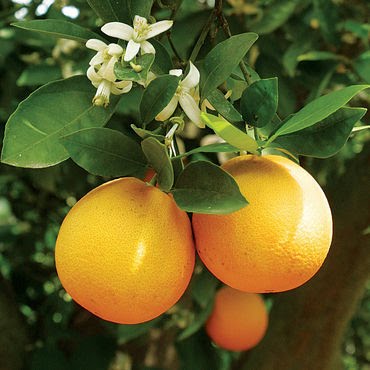
    Citrus Plant CareCitrus plants have been cultivated in an ever-widening area since ancient times; the best-known plant examples are the oranges, lemons, grapefruit, and limes.

    Citrus flower buds begin to form in early winter and develop through late winter and spring. Most flowers don’t result in the formation of fruit because more than 99% of them usually fall off. Because the number that does become fruit depends largely on temperature and moisture, adequate water is very important during and immediately after flowering.

    After bloom, fruit develops from five to 18 months, depending on the variety and growing area. Unlike many other types of fruit, most citrus can be left on the tree without becoming overripe.

    Citrus is a subtropical fruit tree and is limited to areas that do not regularly experience freezing temperatures. Check your hardiness zone.

    Common Varieties

    Citrus fruits are classified into different groups by the citrus industry according to their characteristics and use. Sweet oranges and grapefruits are accepted as a regular part of the diet and consumed in some from every day by many people.

    Specialty fruits like tangerines, mandarin, or hybrids are more so used for holidays or dessert uses.

    Acid fruits like lemons and limes are used as thirst-quenching drinks, garnishes on the dinner table, and ingredients for refreshing pies or delicious cakes.

    Dual-Purpose Fruits are those which combine unusual ornamental value with useful fruit. Kumquat, calamondin, and Meyer lemons are examples.

    Citrus Plant Care & Maintenance

    When selecting a tree consider a few main issues:

    Soil

    Citrus will grow in most soils from sandy to clay, provided it drains well. Sandy soils must be watered and fertilized more frequently than soils with higher clay content. The optimum pH levels for your citrus should be 5.5-6.5.

    Watering

    Water is the first requirement of a young tree, and it will be used up rapidly by trees with a good head of foliage. Twice a week supply about 8 to 10 gallons of water during watering. After the first month watering can be less frequent, but whenever new growth is observed to wilt in mid-afternoon, begin watering heavily again.

    Fertilization

    Fertilization should start when swelling buds indicate that growth is beginning (or, three weeks after planting.) During the first year, fertilization with a citrus specific fertilizer like CitrusGain 8-3-9 is important and should occur every 6 week during February through October. As the trees get older, a good rule of thumb is to spread the fertilizer as many feed beyond the drip line of the canopy as the age of the tree in years (up to 10).

    Cross-pollination, some varieties (mandarins) produce very little fruit unless a compatible tree is planted nearby to provide cross-pollination.

    CitrusGain is the easiest way to ensure citrus plants have their meaningful elements. It is formulated specifically for citrus and other plants having similar nutrient requirements.

    [wwcAmzAffProducts asin=”B00CO5F324″][/wwcAmzAffProducts]

    Pruning

    During early development, it is important to remove suckers from the base of the tree. These shoots are likely to be the root-stock variety, will not produce fruit, and without removal will interfere with tree development. Mature citrus do not require pruning of the canopy for product or tree health. While hand pruning opens up the trees to allow more sunlight into the center, mature citrus, unlike most other fruit trees, don’t require regular pruning.

    Freeze Sensitivity

    If freezes are expected every few years, more cold-tender citrus types should be avoided and only the hardiest should be chosen. Protection from frost is critical.

    Most citrus will freeze when fruit temperature drops to 27-28°F. One usually successful method for combating cold – water! By applying water, the heat built up in the soil during the day is lost more slowly, and air temperatures around the fruit stay warm a little longer.

    Pests & Disease

    Some varieties are susceptible to certain insects and diseases requiring frequent spraying. In many cases, when there are only a few citrus trees in the landscape, they may not require any pest control.

    Most citrus can be successfully grown without chemical pesticides to control insects and diseases in most landscape situations. Fruit produced may have external blemishes, but this will usually have no effect on internal fruit quality. If pest problems warrant, neem oil can be used to suppress populations of insect, mites, and scales. Copper fungicide can be used to control most fungal diseases. Many citrus pests are under natural biological control, assisting in keeping most incest pests at low levels.

    Pest control should be undertaken only as the need becomes evident.

    Common Pests

    • Citrus aphids
    • Citrus gall wasp
      • Citrus leaf-miner
      • Cottony cushion scale
      • Crusader bug
      • Fuller’s rose weevil
      • Katydid
      • Light brown apple moth
      • Long tailed mealybug
      • Managing Queensland fruit fly
      • Mite pests of citrus
      • Red scale
      • Spined citrus bug
      • Thrips

    Common Diseases

    • Armillaria root rot
    • Citrus blast
    • Citrus canker
    • Citrus exocorti

    [/cmsms_text][/cmsms_column][/cmsms_row]